
Comprehensive Guide to Selecting the Perfect Dog Treats for Your Furry Friend
Discover essential tips for choosing the best dog treats. Learn which ingredients to avoid, explore natural options, and find out when and how to give treats for optimal training and health. This detailed guide helps pet owners make informed decisions to ensure their dog's well-being and happiness, fostering better training results and long-term health benefits. Whether you're rewarding a puppy or an adult dog, understanding treat selection is vital for responsible pet ownership and effective training success.
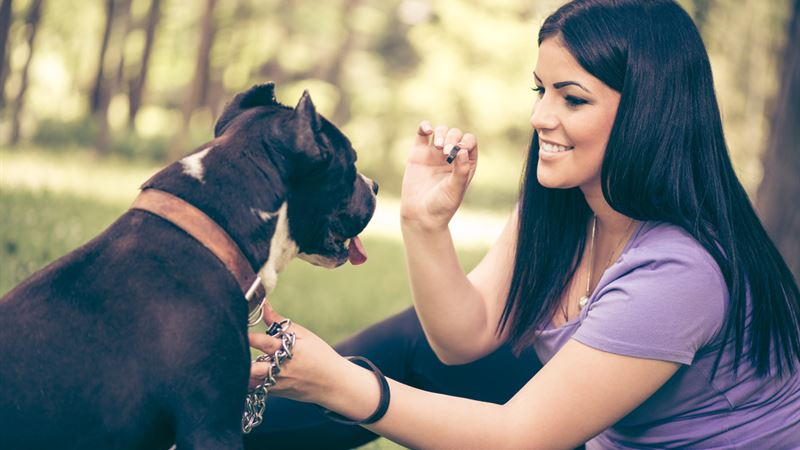
Training your canine companion can be an enjoyable and rewarding experience when approached correctly. One of the keys to successful training is incorporating the right kind of treats that motivate and reinforce good behavior. While many pet owners instinctively think of candies or chocolates, these are highly toxic to dogs and should never be given as treats. Instead, choosing specially formulated dog treats designed for training and rewards is essential for your pet’s health and well-being. Providing your dog with tasty and nutritious treats during training sessions can create positive associations and make learning more enjoyable for your furry friend.
Embarking on a new training routine or simply wanting to reward your pet? Understanding the qualities that define the best treats for dogs is crucial. This comprehensive guide will shed light on what ingredients to look for and avoid, natural treat options, timing considerations, and expert advice to ensure your dog’s safety and happiness.
Key Ingredients to Avoid When Selecting Dog Treats
- A primary step in choosing quality dog treats is scrutinizing the ingredient list. Many manufacturers use different fillers and additives, making it tricky to determine the safest options. Reading labels carefully can help you make informed decisions to protect your pet.
- It’s advisable to steer clear of treats that contain artificial preservatives and harmful additives such as corn, wheat gluten, meat or grain meals, by-products, BHA (Butylated Hydroxyanisole), BHT (Butylated Hydroxytoluene), artificial dyes, PG (Propylene Glycol), and rendered fats. These ingredients may cause allergies or other health issues over time.
Opting for Natural and Healthy Dog Treats
- Choosing natural treats minimizes the risk of allergic reactions and ensures your pet consumes wholesome ingredients. Natural treats are free from artificial flavors, colors, and preservatives, making them a healthier alternative for daily rewards.
- Some top options include Freeze-Dried Raw Duck Hearts, Wellness CORE Marrow Treats, Spot Farms Antibiotic-Free Chicken Treats, Zuke’s Grain-Free Jerky Bites, and The Honest Kitchen Beams. These treats are crafted with high-quality ingredients and are suitable for most dogs.
- If you’re seeking treats specifically designed for puppies, look for products that cater to their unique nutritional needs, which differ significantly from adult dogs. Puppy-specific treats are formulated to support growth and development effectively.
Consulting Your Veterinarian Before Introducing Treats
- While treats are an excellent way to reinforce training, it’s essential to select options that align with your dog’s specific health requirements. Consulting your veterinarian can prevent potential health issues caused by incompatible ingredients.
- Your vet is your best resource for personalized advice on treat choices and portion sizes. Always ask if a particular treat is suitable, especially if your dog has allergies, sensitivities, or existing health conditions.
Timing Is Everything: When to Offer Dog Treats
- The optimal time to give treats is between meals when your dog isn’t full. Offering treats right after a hearty meal might not motivate your dog to focus on training sessions.
- Plan training sessions during times when your dog is hungry or at least not immediately after eating. This will maximize motivation and reinforce positive behaviors more effectively.
- To maintain engagement during lengthy training sessions, save the best treat for the end. This strategy can help keep your dog interested and motivated until the completion of the training.
Additional Tips for Selecting the Right Dog Treats
- Always consider your dog’s size, breed, age, and health status when choosing treats. Smaller treats are better for small breeds or puppies to prevent overfeeding.
- Look for treats with high protein content and minimal fillers or empty calories. Nutrition plays a vital role in your dog’s overall health and energy levels.
- Consistency is key—use treats regularly to reinforce good habits while balancing their overall diet with healthy food options.
In summary, selecting the best treats for dogs involves careful ingredient scrutiny, understanding your pet’s specific nutritional needs, and consulting professionals when needed. By choosing nutritious, natural treats and timing their use strategically, you can create effective training sessions and promote a healthy, happy life for your canine companion.