
Comprehensive Guide to Selecting the Top Cryptocurrency Brokerage Platforms
This comprehensive guide provides detailed insights into selecting the best cryptocurrency brokers. It covers key factors such as liquidity, trading fees, security measures, regulatory compliance, user experience, and customer support. Whether you're new or experienced, understanding these elements can help you choose a trustworthy platform that aligns with your trading objectives. The article emphasizes the importance of security, efficient transaction methods, and community feedback to enhance your cryptocurrency trading success. Empower your trading journey with informed choices and maximize your investment potential.
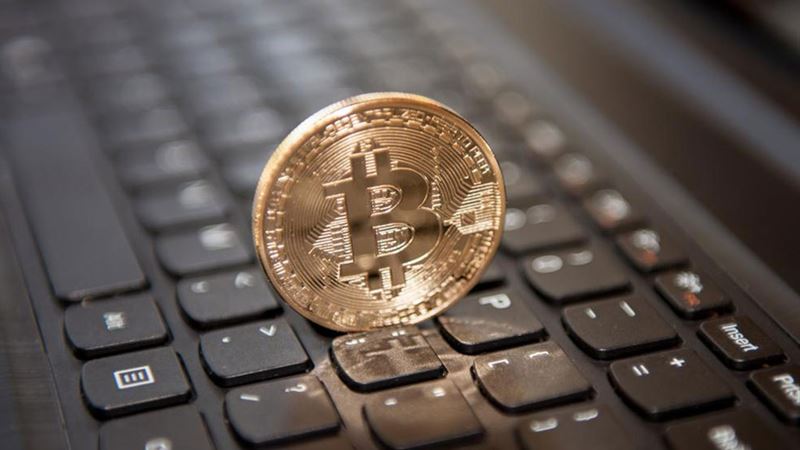
Understanding Cryptocurrency Exchanges
Cryptocurrency exchanges serve as the primary venues where traders buy, sell, or exchange digital currencies. These platforms vary widely in terms of offerings, security features, operational regulations, and ease of use. Some notable exchanges include Binance, Coinbase, Kraken, Bitfinex, and Gemini. Each platform caters to different trader preferences, whether they prioritize low fees, high liquidity, security, or a user-friendly interface. An informed choice requires understanding the key parameters that define a top-tier exchange and aligning these with your specific trading objectives.
Assessing Trading Pairs and Market Liquidity
The diversity of trading pairs offered by an exchange reflects its capacity to cater to various investment strategies. Popular exchanges provide a high number of trading pairs, allowing traders to diversify their portfolios effectively. Liquidity is another critical aspect; high trading volume indicates better liquidity, which translates into faster transaction execution and minimal price slippage. Adequate liquidity ensures that traders can sell or buy cryptocurrencies without significantly impacting the market price, essential for executing large trades smoothly. Platforms like Coinbase Pro and Kraken are renowned for their deep liquidity pools, making them preferred choices for large-volume traders.
Trading Fees and Cost Efficiency
Transaction fees are an inevitable part of cryptocurrency trading. Most exchanges charge a small percentage—typically less than 1%—on each trade. The fee structure can be based on a maker-taker model, where makers (who add liquidity) pay lower fees than takers (who remove liquidity). As your monthly trading volume increases, many platforms offer discounted rates, making high-volume trading more cost-effective. Platforms like Binance, Bitfinex, and Whaleclub are known for their competitive fee structures, benefiting frequent traders. Carefully compare fee schedules and consider the total cost of trading to maximize your profit margins.
Regulatory and Geographical Qualifications
Regulatory compliance and jurisdiction play significant roles in selecting a trustworthy broker. Fully regulated exchanges operate under the legal frameworks of respective states or countries, providing a layer of security and legitimacy. It’s important to verify the exchange’s registered location, licensing, and adherence to local laws. For instance, Western traders often prefer platforms based in countries with robust legal systems, which not only ensure security but also facilitate dispute resolution. Conversely, dealing with brokers in unregulated or unstable regions can pose risks related to legal illegitimacy or lack of recourse in case of issues.
Prioritizing Security Protocols
Security must be paramount when selecting a cryptocurrency broker. The digital nature of cryptocurrencies makes them targets for cyberattacks. Top platforms implement multi-layered security measures such as two-factor authentication (2FA), cold storage for most funds, end-to-end encryption, and regular security audits. They also employ proof of reserve mechanisms to prove their holdings and maintain round-the-clock wallet monitoring. When traders deposit significant funds, ensuring robust security practices helps prevent hacks, thefts, and potential financial losses. Leading exchanges including BitMEX, Binance, and ItBit incorporate advanced security features to safeguard user assets effectively.
Customer Support and Trustworthiness
Reliable customer support is essential, especially for novice traders navigating the complexities of cryptocurrency markets. The best exchanges offer accessible and responsive customer service channels, including live chat, email support, and comprehensive FAQs. Good support can resolve issues like transaction errors, account access problems, or security concerns swiftly. Due to the decentralized and relatively unregulated nature of cryptocurrencies, a dependable support team can significantly reduce frustration and potential losses. Platforms like Coinbase and Kraken are known for their proactive customer service, ensuring traders feel supported throughout their trading journey.
Ease of Use and Mobile Compatibility
User interface design greatly impacts overall trading experience. The most intuitive platforms feature simple, clean layouts that facilitate quick navigation and real-time updates on cryptocurrency prices. For those who prefer trading on the go, mobile-compatible platforms are a necessity. Leading exchanges ensure their apps are responsive on both Android and iOS devices, capable of handling live order execution with minimal delay. Coinbase, Binance, and Kraken excel in this aspect, providing stable, user-friendly apps that suit beginner and advanced traders alike.
Optimizing User Experience and Feedback
Before choosing a platform, review user feedback and community reviews on forums and social media channels. Common complaints often relate to withdrawal delays, interface glitches, or poor customer service. Top exchanges tend to have minimal negative reviews and high user satisfaction ratings. Binance, Bitstamp, and BitQuick are known for their low complaint rates and high levels of user confidence. Conducting due diligence through community feedback can help you avoid platforms with unresolved issues and ensure a smoother trading experience.
Methods of Purchasing Cryptocurrency
Cryptocurrencies can be acquired via bank wire transfers, credit and debit cards, cash payments, and even peer-to-peer transactions. Each method varies in terms of privacy, transaction speed, and security. Credit cards, for example, are convenient but generally less secure compared to wire transfers or cash transactions. When selecting an exchange, consider the privacy levels and security of your preferred payment method. For large-volume purchases, wire transfers often provide higher security and lower fees. Balancing convenience, security, and privacy considerations is key to effective trading.
In conclusion, choosing the right cryptocurrency broker involves evaluating multiple factors—liquidity, fees, security, regulation, user experience, and support. Carefully analyze each aspect in relation to your trading goals to select a platform that maximizes your safety and profitability. Remember, an informed decision today can lead to a more secure and rewarding trading future in the dynamic world of cryptocurrencies.