
Comprehensive Guide to Managing Foot Pain Associated with Fibromyalgia
This comprehensive guide explores fibromyalgia-related foot pain, detailing causes, diagnosis, and effective treatment strategies. Learn how lifestyle changes, proper footwear, medication, and therapy can alleviate symptoms, improve mobility, and enhance quality of life. Empower yourself with knowledge about managing this chronic condition and discover practical steps to reduce discomfort and regain daily comfort.
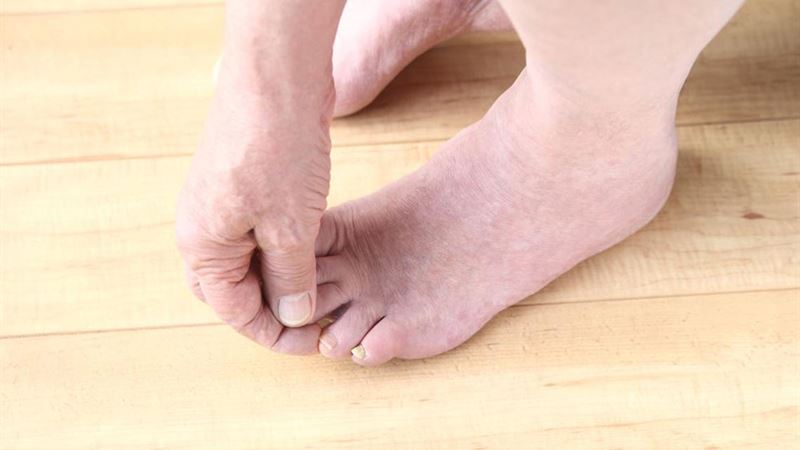
Fibromyalgia, also known as central sensitization syndrome, is a chronic condition affecting the nervous system and causing widespread pain. Among the many symptoms it presents, foot pain is notably common, with recent studies indicating that the feet often become a primary site of discomfort. This persistent pain can sometimes spread to the hips, knees, or lower back region, complicating the diagnosis and management. Since the feet are responsible for bearing body weight, they are particularly vulnerable to pain caused by fibromyalgia. The severity and nature of the pain vary widely among individuals, ranging from mild soreness to debilitating agony.
Understanding the causes of fibromyalgia-related foot pain is essential for effective management and relief. Several factors can contribute to this condition, including infections, genetic predisposition, and psychological stress. These elements can aggravate the nervous system's sensitivity, leading to increased pain perception in the feet. Moreover, environmental triggers such as unsuitable footwear or physical trauma can also worsen symptoms.
Diagnosing fibromyalgia foot pain involves careful evaluation as there are no definitive laboratory tests for the disease. Typically, the diagnosis is based on symptom duration—pain persisting for over three months without other apparent medical causes—and ruling out other conditions through blood tests. Recognizing the pattern of pain and associated symptoms is critical for timely intervention.
Pharmacological treatments focus on alleviating pain and reducing nerve sensitivity. Common medications include analgesics like NSAIDs (Ibuprofen), acetaminophen, and opioids such as Tramadol. Anti-seizure medications like Gabapentin and Pregabalin are also effective in managing nerve-related pain associated with fibromyalgia.
Beyond medications, lifestyle modifications play a vital role in managing foot pain. Practices such as yoga, meditation, adequate sleep, and a balanced diet help modulate the nervous system's activity, decreasing overall pain levels. Additionally, incorporating regular foot exercises, reflexology, and massage therapy can significantly alleviate discomfort. Keeping the feet warm through soaking in warm water with natural remedies like Epsom salt, ginger, and baking soda relaxes nerves and reduces inflammation.
Wearing proper footwear is crucial; opt for shoes with adequate support and orthotic inserts that cushion the feet. Having multiple pairs of supportive shoes to switch between can prevent strain and discomfort. Footwear modifications, including orthotic pads, can improve alignment and reduce pain intensity.
Foot exercises, such as stretching and reflexology, help relieve foot fatigue, enhance circulation, and strengthen muscles. Using foot relaxers or massagers can promote relaxation and pain relief. Additionally, wearing anklets or supportive accessories helps to maintain warmth and support for the feet, further reducing pain and discomfort.
It is important for individuals experiencing persistent foot pain due to fibromyalgia to recognize triggers and adopt strategies to manage symptoms effectively. Consulting healthcare professionals for personalized treatment plans is essential. Early intervention and comprehensive management can minimize the impact of fibromyalgia on mobility and quality of life. Educate yourself about the condition, maintain open communication with your medical team, and adhere to recommended therapies to achieve optimal symptom control and improve daily comfort.
In summary, managing foot pain caused by fibromyalgia involves a combination of medication, lifestyle changes, supportive footwear, regular exercise, and alternative therapies. Staying proactive, understanding your triggers, and following your healthcare provider's advice will help you regain control over the symptoms and enhance your quality of life. Remember, although fibromyalgia can be challenging, with proper management, the discomfort can be significantly reduced, allowing you to lead a healthier, more comfortable life.