
Rich in Dietary Fiber: Top Foods to Boost Your Health and Wellness
Discover the top fiber-rich foods to enhance your health and improve digestion. From berries and nuts to whole grains and legumes, learn how incorporating these foods into your diet can support weight management, cholesterol, and overall well-being. Proper hydration and variety are key to maximizing benefits for lasting health improvements.
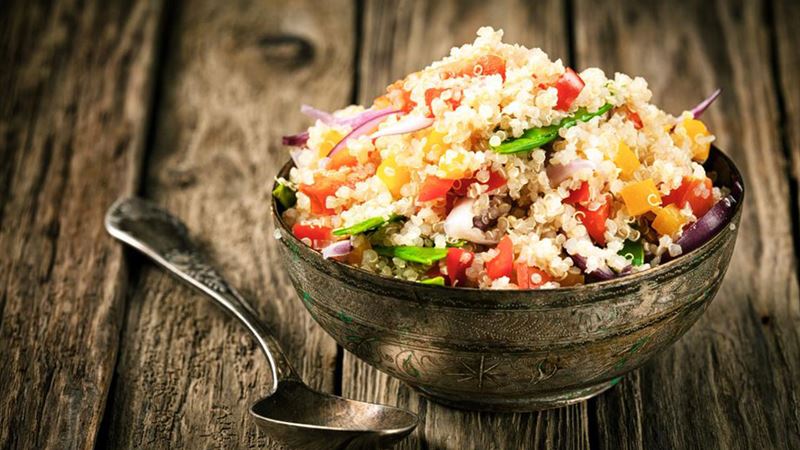
Incorporating fiber-rich foods into your daily diet is one of the most effective ways to enhance overall health and well-being. Dietary fiber plays a vital role in maintaining healthy digestion, supporting gut bacteria, and offering numerous health benefits such as weight management, blood sugar regulation, and cholesterol control. A high-fiber diet not only promotes smooth bowel movements but also contributes to long-term prevention of chronic conditions like heart disease and diabetes. The primary sources of dietary fiber include a variety of fruits, vegetables, whole grains, and legumes, which are readily available and easy to incorporate into your meals. Additionally, choosing whole grain bread, pasta, and cereals significantly enhances your fiber intake, providing essential nutrients for your body's optimal functioning.
Achieving a balanced high-fiber diet requires more than just consuming fiber-rich foods; adequate hydration is equally important. Fiber absorbs water, aiding in the formation of soft, bulky stool that facilitates regular bowel movements. Experts recommend consuming approximately 7 to 8 cups of fluids daily, primarily water, to support fiber digestion. Ensuring sufficient liquid intake helps maximize fiber's benefits and prevents potential gastrointestinal discomfort such as bloating or constipation. Incorporating a diverse array of fiber sources ensures your body receives ample proteins, vitamins, and minerals necessary for overall health. Here, we explore some of the top fiber-rich foods that should be part of your nutritional plan.
- Blackberries
Kickstart your fiber-rich eating plan with blackberries, which are loaded with dietary fiber and high in vitamin C. Known for their antioxidant properties, blackberries help neutralize harmful free radicals and promote detoxification. Their sweet, tangy flavor makes them perfect for mixing into morning cereals, smoothies, or enjoying fresh as a nutritious snack. - Almonds
Almonds are a fantastic source of dietary fiber, healthy fats, magnesium, and iron. Their high fiber content supports digestion and promotes feelings of fullness. For optimal benefits, soak a handful of almonds overnight and consume them on an empty stomach, or add chopped almonds to oatmeal, yogurt bowls, or salads to enhance taste and nutritional value. - Figs
Fresh figs provide a delicious way to boost fiber intake while offering numerous health benefits. Rich in dietary fiber and antioxidants, figs assist in digestion and can help combat inflammation. Enjoy them as a snack, add slices to your breakfast cereals, or use as a sweet topping on yogurt and salads to enjoy their regenerative properties and taste appeal. - Flax Seeds
Flax seeds are a powerhouse of soluble and insoluble fiber, making them an excellent addition to a high-fiber diet. Roast the seeds lightly and sprinkle a spoonful over salads, bread, or smoothies. Besides fiber, flax seeds are abundant in omega-3 fatty acids, which support brain health and hormone balance. Incorporating flax seeds regularly helps sustain metabolic functions and promotes overall vitality. - Raw Avocado
Known for its creamy texture and nutritional richness, avocado is also a significant source of dietary fiber and vitamin K, essential for maintaining strong bones. Enjoy avocado as a spread on whole-grain toast, in sandwiches, or mashed into dips with steamed vegetables and crackers. Its high fiber content aids digestion and contributes to cardiovascular health. - Artichokes
Artichokes are among the most fiber-dense vegetables, offering a unique combination of flavor and health benefits. Rich in antioxidants, they help detoxify the body and support liver health. Prepare them steamed, grilled, or roasted according to your taste preferences to integrate this versatile vegetable into your diet effectively. - Legumes and Beans
Beans, including lentils, chickpeas, and black beans, are excellent sources of dietary fiber and plant-based protein. When cooked with tomatoes and seasoned with herbs and spices, they become a delicious, filling meal. Use beans in tortillas, tacos, salads, and rice dishes for a nutritious addition that supports digestive health and long-lasting energy. - Whole Grains
For a truly fiber-rich diet, opt for unprocessed whole grains such as oats, brown rice, millet, and especially whole wheat products. Whole grains are low in calories yet rich in fiber and proteins, making them ideal for building muscle and maintaining a healthy weight. They provide sustained energy release and help keep your digestive system in optimal condition, earning their reputation as key ingredients in health-conscious diets.
A high-fiber diet is essential for maintaining overall wellness and preventing several chronic health issues. By including a variety of fiber-rich foods like berries, nuts, fruits, vegetables, legumes, and whole grains, you can significantly improve your digestive health, manage weight, and support your body's immune functions. Remember to pair your diet with sufficient fluid intake and regular physical activity for best results. Gradually introduce fiber sources into your meals to allow your digestive system to adapt comfortably. With consistency, you will notice better energy levels, improved digestion, and a healthier body over time.