Explore the detailed features and benefits of hybrid vehicles, including their dual-engine performance, fuel efficiency, regenerative braking system, and the advantages of plug-in hybrid models. Discover how hybrids offer an eco-friendly, cost-effective, and versatile driving experience suitable for a variety of terrains and driving conditions.
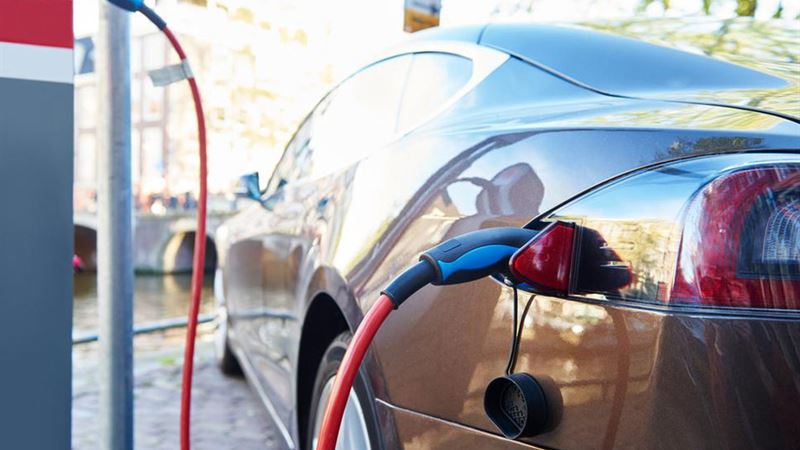
Hybrid vehicles stand out in the automotive industry due to their innovative combination of electric and traditional fuel engines. These vehicles are designed to provide an environmentally friendly, fuel-efficient, and high-performance driving experience. By integrating electric propulsion with internal combustion engines, hybrids achieve remarkable efficiency without compromising power, making them a popular choice among eco-conscious drivers and those seeking a versatile ride.
High-Performance Dual Engines: Hybrid cars are equipped with two distinct power sources: an electric motor and a gasoline engine. These engines operate in harmony to optimize performance, torque, and fuel economy. When extra power is needed, such as during overtaking or hill climbing, drivers can activate specific modes to harness the combined strength of both engines, delivering instant responsiveness. This dual system ensures smooth acceleration and reliable power, regardless of driving conditions.
Enhanced Power Delivery and Efficiency: Whether cruising on highways, navigating city streets, or tackling rugged terrains, hybrid vehicles adapt seamlessly. During acceleration, both engines collaborate to provide robust power, ensuring a dynamic driving experience. Conversely, during deceleration and braking, the system captures kinetic energy, converting it into electrical energy to recharge the battery. This regenerative braking system significantly improves overall efficiency and reduces energy wastage, contributing to lower fuel consumption.
If the vehicle is stationary or operating at low speeds, the internal combustion engine can turn off entirely, conserving fuel and reducing emissions. When climbing steep inclines or demanding terrains, the hybrid system automatically boosts power output by engaging both engines, enabling the vehicle to perform effectively in challenging conditions. This intelligent energy management makes hybrids suitable for diverse driving environments.
Plug-in hybrid electric vehicles (PHEVs) further extend the advantages of hybrid technology. These models feature larger batteries that can be charged externally, allowing the vehicle to operate predominantly on electric power for extended distances. PHEVs are highly economical since they can switch between electric mode and fuel mode depending on driving needs, leading to significant savings on fuel costs and minimal emissions. The zero-emission capability aligns with global sustainability goals, promoting cleaner transportation solutions.
Compared to traditional gasoline-powered cars, hybrids excel in fuel efficiency. On average, they consume approximately three liters of petrol per 100 kilometers, making them a cost-effective choice for daily commuting. Many models offer an electric vehicle (EV) mode, allowing drivers to accelerate quietly and smoothly at speeds up to 50 km/h, encouraging eco-friendly driving habits. Additionally, advanced hybrid systems continuously recycle kinetic energy during various driving phases, maximizing efficiency and minimizing environmental impact.
.
