
Comprehensive Advantages of Cloud-Based Medical Practice Management Solutions
Discover the extensive benefits of cloud-based medical practice management software, from improved operational efficiency to enhanced patient engagement. Explore top platforms like CareCloud and Navicure that automate administrative and billing tasks, streamline revenue cycles, and boost practice productivity. Learn how these digital solutions support healthcare providers in delivering timely, high-quality care while reducing costs. Staying ahead in healthcare technology, these cloud systems facilitate remote access, real-time data management, and advanced analytics, vital for modern practices seeking operational excellence and financial growth.
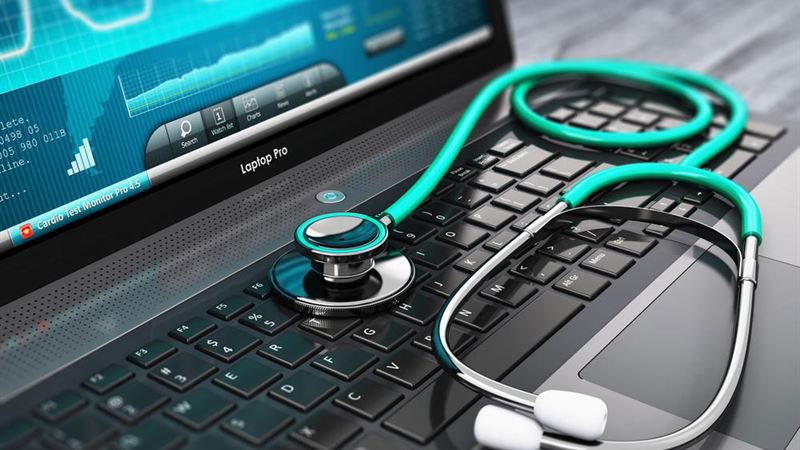
Cloud-based medical management systems are transforming healthcare operations by offering seamless, user-friendly platforms that enhance efficiency and accelerate administrative processes. These solutions allow healthcare providers to manage appointments, billing, patient records, and other administrative tasks digitally, reducing paper-based workflows and minimizing errors. Their rapid deployment and easy scalability make cloud applications increasingly popular among medical practices of all sizes.
The core benefit of cloud-based medical practice management software lies in its ability to streamline day-to-day operations, freeing clinicians and administrative staff from mundane tasks. They enable real-time data access, seamless communication between departments, and improved patient engagement, ultimately leading to better healthcare delivery. As technology advances, these platforms are continuously innovating to include features like integrated billing, telehealth support, and advanced analytics, providing healthcare providers with comprehensive tools necessary for modern practice management.
Among the prominent solutions in this space is CareCloud Central, renowned for combining robust administrative tools with integrated billing functionalities. This platform automates routine office tasks such as appointment scheduling, patient check-in, and insurance processing, allowing staff to focus on patient care. With real-time claims processing capabilities, CareCloud Central significantly speeds up revenue flow, minimizing delays and denials. Its user-friendly interface and mobile accessibility make it a preferred choice for healthcare practices aiming for operational excellence.
Another well-known software is Navicure Technology Solutions, which primarily focuses on revenue cycle management and claims processing. Its automation capabilities increase reimbursement rates by optimizing claims submission and management, reducing accounts receivable days, and decreasing claim denials. Healthcare providers benefit from detailed analytics and reports that help identify bottlenecks and improve financial performance. Features like patient eligibility verification and payment collections help practices maintain steady cash flow while enhancing patient satisfaction.
Carbon Health offers a comprehensive cloud-based platform that integrates medical practice management with electronic health records (EHR). Its intuitive mobile application allows practitioners and patients to access vital health information anytime and anywhere. From scheduling appointments to billing, Carbon Health’s solutions foster transparency and improve patient-provider relationships. The platform simplifies communication, reduces appointment no-shows, and boosts overall practice productivity, making it an effective tool for outpatient clinics and healthcare systems.
Beyond these leaders, a variety of cloud-based medical practice management software options exist, each tailored to meet diverse clinical needs. Notable mentions include NueMd, Ambra Health, PrognoCIS, and Athenahealth. These systems offer specialized features such as cloud imaging, telemedicine integration, and comprehensive revenue cycle services, further driving the shift toward digital healthcare management.
In sum, cloud-based medical management software is changing the landscape of healthcare administration by offering scalable, flexible, and efficient tools that empower providers to deliver better patient care. Adoption of these platforms ensures practices remain competitive in a rapidly evolving healthcare environment, improve operational workflows, and enhance financial stability for long-term success.