
Ultimate Guide to Choosing the Top-Rated Queen Mattress for Comfort and Durability
Discover comprehensive insights into selecting the best-rated queen mattress, exploring various core types, support systems, and comfort options. This guide helps you make informed decisions for long-term comfort, durability, and health benefits, ensuring restful sleep for years to come.
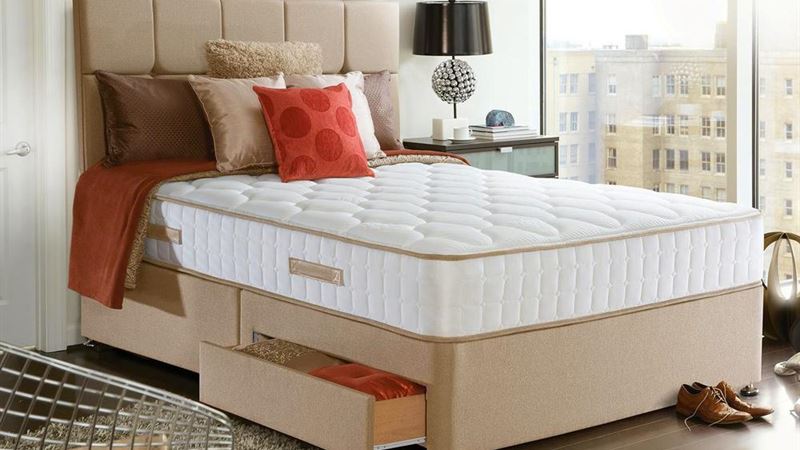
Queen-sized mattresses strike a perfect balance between space and compactness, making them an ideal choice for couples, guest rooms, or anyone seeking ample sleeping room without taking up too much floor space. These mattresses are larger than full-sized beds but smaller than king-sized varieties, offering a wide range of comfort options at various price points. The cost of a queen mattress can vary significantly—from budget-friendly models costing a few hundred dollars to luxury designs reaching into the thousands—based on factors like material quality, brand reputation, and special features. Today’s market boasts a fascinating array of innovative mattresses, including those embedded with advanced technology aimed at improving sleep quality, alleviating health issues, and enhancing overall comfort. Choosing the best-rated queen mattress requires a nuanced understanding of various core materials, support systems, and comfort layers, along with consideration of personal preferences and health needs.
One of the primary factors influencing the quality and durability of a queen mattress is its core support system. There are four main types of mattress cores that serve as the foundational support: innerspring, latex, foam, and air-filled systems. Each type offers distinct benefits and considerations, making it essential to match the core type with individual sleep requirements, body weight, and comfort preferences. The support structure affects not only the durability of the mattress but also how well it maintains its shape and provides relief from pressure points over time.
Innerspring mattresses feature interconnected or individually pocketed coils made of steel. These coils vary in gauge and configuration, directly impacting the mattress's firmness and flexibility. Heavy individuals or those requiring enhanced back support typically benefit from thicker, sturdier coils—often made with high-gauge metal—that offer consistent support and prevent sagging. Pocketed coil systems, where each coil is wrapped in fabric, minimize motion transfer and reduce the ripple effect, allowing for a more undisturbed sleep experience even if one partner moves during the night. When choosing an innerspring queen mattress, look for models with reinforced edge support to prevent sagging at the borders and to maximize usable sleeping surface.
There’s a common misconception among consumers to pick a mattress based solely on its initial plush feel or buoyant appearance in the shop. While a soft, bouncy mattress may seem inviting initially, over time, these mattresses can lose their supportive properties due to compression and breakdown of the foam or spring systems underneath. Such mattresses may begin to sag or develop uneven sleeping surfaces, leading to discomfort and potential health issues like back pain. It’s advisable to prioritize firmness and support over softness in the long run. A well-made, moderately firm queen mattress with a good quilting layer can be customized to your comfort level by adding a soft mattress topper or feather bedding, allowing for personalized softness without compromising core support.
For those preferring a plush, contouring feel, memory foam mattresses are an excellent choice. These beds feature a polyurethane core that molds to the body's shape, offering targeted support and pressure relief. Memory foam's density is crucial; higher-density foam—measured in pounds per cubic foot—is more durable and provides better support. A high-quality memory foam mattress typically uses foam with a density of around 5 pounds per cubic foot, which ensures longevity and resilience, while lower-density foams may wear out more quickly. A queen-sized memory foam mattress offers a stable, motion-isolating surface that minimizes movement transfer, making it ideal for couples or light sleepers. The thickness of the foam layer and the overall density play critical roles in determining comfort and durability.
If you enjoy a bouncier, more responsive sleeping surface, innerspring mattresses with high-quality metal coils are outstanding options. These coils are available in various gauges and configurations—ranging from soft, flexible designs in 18-gauge coils to more robust, firm coils in 12-gauge models. Thicker coils contribute to a firmer feel and more bounce, which some sleepers find invigorating and supportive. In addition to providing responsive support, coil-based mattresses tend to be more breathable, facilitating better airflow and temperature regulation during sleep.
Investing in a top-rated queen mattress is a decision that benefits from thorough research and consideration. As a long-term investment, a quality mattress can significantly influence sleep quality, overall health, and daily productivity. Considering factors like core material, support system, comfort layers, and personal preferences can help you identify a mattress that will meet your needs for many years. It’s advisable to test different types in-store, read expert reviews, and ensure manufacturer warranties or trial periods are available. Remember, a good night’s sleep is the foundation of a healthy lifestyle, and choosing the right queen mattress is a crucial step toward achieving optimal rest and well-being.