
Comprehensive Guide to Designing Safe and Accessible Bathrooms for People with Disabilities
This comprehensive guide explores key aspects of designing accessible bathrooms, including lighting, fixtures, and support features, ensuring safety and independence for all users. Learn how to create stylish, functional, and inclusive bathroom spaces tailored to people with disabilities, promoting dignity and comfort through thoughtful design elements and innovative solutions.
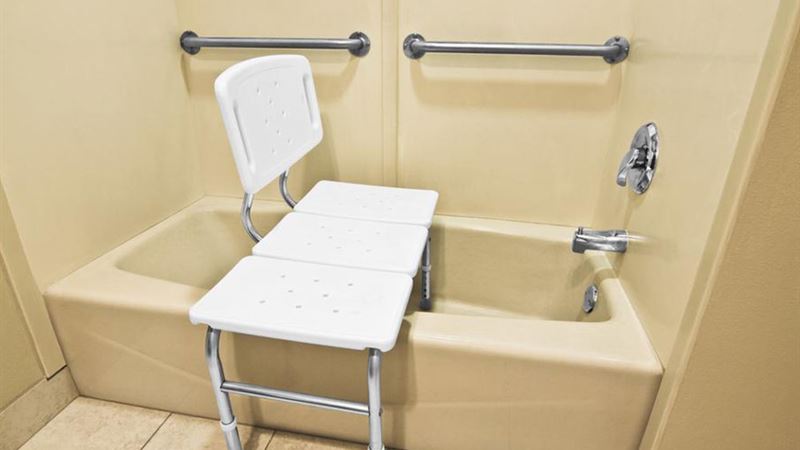
Designing bathrooms for people with disabilities demands careful planning and attention to detail. It involves integrating features that accommodate mobility challenges, visual impairments, and other specific needs, while keeping the space stylish and modern. Implementing universal design principles ensures that the bathroom remains usable by everyone, regardless of age or ability. Let's delve into each vital aspect of accessible bathroom design.
Effective Lighting for Safety and Comfort
Lighting plays a pivotal role in the overall safety and ambiance of a bathroom, especially in disability-friendly designs. Bright, well-distributed lighting not only enhances visibility but also contributes to a perception of spaciousness, which is crucial for individuals with mobility challenges. Natural light should be maximized wherever possible by incorporating larger windows or skylights, providing a warm, inviting environment.
Complement natural illumination with high-quality, white LED lights, which produce a clear, neutral light that reduces eye strain and improves clarity. Dimmable lighting options are beneficial to adjust brightness levels based on specific needs or preferences, especially during nighttime use. Thoughtful lighting design minimizes shadows and glare, creating a safer space for all users.
Thoughtful Switch Placement and Controls
Ease of access to controls is a cornerstone of accessible design. Light switches and other controls should be positioned at heights that are reachable from a seated position, typically around 48 inches from the floor. Avoid placing switches at high or hard-to-reach locations, which can pose difficulties for wheelchair users.
Large, tactile push buttons and rocker-style switches provide better grip and are easier to operate, especially for users with limited dexterity. For added convenience, consider installing motion-activated lighting controls, which automatically turn lights on or off as users enter or leave the bathroom. These features significantly improve safety and usability.
Accessible and Convenient Sink and Vanity Design
The sink area should be designed for ease of use and comfort. Position the sink at a height that allows comfortable access from a seated position, typically between 30 to 34 inches from the floor. Incorporate lever handles or sensor-activated faucets that can be operated with minimal effort, eliminating the need for twisting or gripping stiff knobs.
Leaving space underneath the sink by avoiding cabinetry enables wheelchair users to position themselves close enough for optimal access. Using sturdy, supportive vanities that can double as grab bars enhances safety further. Brightly lit mirror zones and anti-fog features improve visibility, making daily routines more manageable.
Designing an Accessible, Comfortable Toilet Area
The toilet should be at a height that facilitates easy transfers from wheelchairs or walkers, often a raised seat height between 17 and 19 inches. This elevation reduces strain and improves independence. Ensure the toilet is equipped with sturdy, well-placed grab bars on either side to support stability during transfers.
Position essential items like toilet paper, sanitary products, wipes, and cleaning supplies within arm's reach, ideally mounted on the wall or placed on a nearby shelf. Keeping the floor clear of obstacles minimizes tripping hazards. Consider installing a bidet attachment or height-adjustable options to enhance comfort and hygiene for users with specific needs.
Additional Features to Enhance Accessibility
- Wide, non-slip flooring to allow smooth wheelchair movement and prevent slips.
- Curbless showers with seating and handheld showerheads, facilitating easy access and bathing comfort.
- Strategically placed grab bars near the shower, bathtub, and along walls for support.
- Use of contrasting colors for better visibility of fixtures and pathways.
- Clear signage and tactile indicators for users with visual impairments.
Designing bathroom spaces that are truly accessible involves continuous evaluation and adaptation. Collaborate with accessibility experts, occupational therapists, and wheelchair users to understand specific needs and preferences. Incorporate versatile features that can accommodate various disabilities, ensuring the bathroom remains functional and stylish. Remember, an accessible bathroom is not just about compliance; it’s about creating a space where every individual feels safe, comfortable, and independent.
Summary and Final Tips
Creating an accessible bathroom requires thoughtful planning and a focus on safety, convenience, and aesthetics. Prioritize proper lighting, strategic switch placement, accessible sinks and vanities, and raised toilets equipped with support grab bars. Utilize high-quality, non-slip flooring and ensure enough space for maneuverability. Customizing these features based on individual needs will significantly enhance the usability and comfort of the bathroom. Keep abreast of latest universal design innovations, and always aim for a blend of functionality and beauty. An inclusive bathroom design enhances quality of life for all users and demonstrates thoughtful home planning.