
Essential Tips for Selecting the Perfect Preschool for Your Child
Choosing the ideal preschool is a vital step in your child's early development. This detailed guide highlights key factors such as safety, classroom environment, curriculum, teacher quality, parental involvement, and budget considerations. By carefully evaluating each aspect, parents can select a nurturing, safe, and enriching preschool environment that promotes social, emotional, and cognitive growth. Making an informed choice now will lay a strong foundation for your child's future learning and success, ensuring they thrive in their early years and beyond.
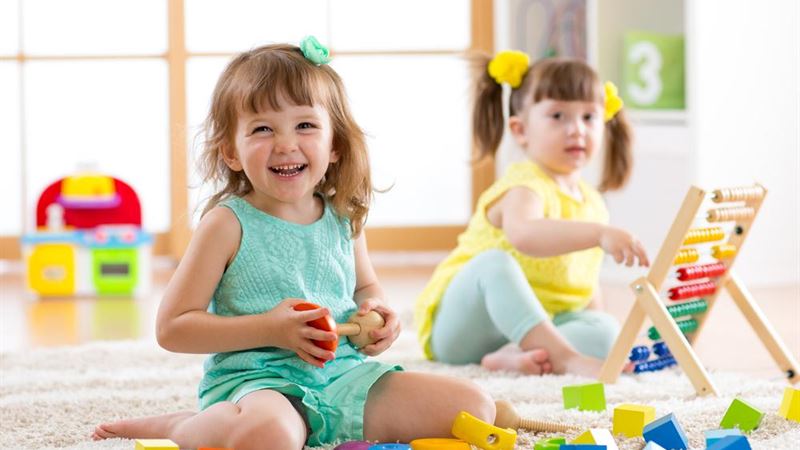
Understanding the importance of quality preschool education is the first step. Early childhood education influences a child's social, emotional, and cognitive development profoundly. Therefore, parents must approach this decision thoughtfully and thoroughly. In this expanded article, we delve into essential aspects such as safety measures, classroom environment, curriculum structure, teacher qualifications, budget considerations, parental involvement, and more, equipping you with the knowledge needed to make an informed choice.
1. Safety Measures and Security Arrangements
The foremost concern for any parent is the safety of their child. When evaluating preschools, it is crucial to scrutinize the security measures implemented within the facility. Ask about the student-to-teacher ratio to ensure adequate supervision. Check the safety features including secure entry points, surveillance cameras, and the presence of security personnel or guards. These measures help prevent unauthorized access and ensure quick response in case of emergencies.
Furthermore, assess the safety infrastructure such as fire alarms, emergency exits, first aid kits, and fire extinguishers. Observe if the playground equipment complies with safety standards and if the outdoor play area is well-maintained. It’s also beneficial to inquire whether the school conducts regular safety drills or emergency preparedness training for staff and students. Proactive safety protocols provide peace of mind to parents and foster a secure environment conducive to learning and play.
2. The Classroom Environment and Learning Atmosphere
The classroom setting significantly influences a child's enthusiasm and ability to learn. Parents should visit the classrooms to observe the environment firsthand. An ideal preschool classroom is spacious enough for children to move freely and engage comfortably in various activities. Look for colorful, well-organized spaces decorated with educational posters, children's artwork, and thematic displays that stimulate curiosity.
High-quality preschools ensure their classrooms are print-rich environments, containing plenty of books, labels, and visual aids that promote literacy and language development. The availability of age-appropriate toys, puzzles, and learning materials also encourages independent play and exploration. A lively, engaging classroom environment ignites a child's natural curiosity and supports their holistic growth.
3. Curriculum Design and Daily Schedule
Understanding the curriculum is vital. A well-rounded preschool program balances structured learning with unstructured playtime. Inquire about the daily schedule, including the duration allocated to various activities such as circle time, arts and crafts, outdoor play, storytime, and rest periods. Adequate time for social interactions and group activities fosters collaboration, communication skills, and emotional intelligence.
It’s advisable to choose a preschool that emphasizes experiential learning, with activities designed to cater to different learning styles. Avoid institutions solely focused on rote learning or indoor activities, as they may hinder social development. A curriculum incorporating cultural celebrations, music, dance, and creative arts exposes children to diversity, building their cultural awareness and acceptance.
4. Opportunities for Creativity and Cultural Exposure
Preschools should nurture creativity through various engaging activities. Look for programs that celebrate festivals and traditions from different cultures, helping children understand diversity. Creative activities such as painting, drama, music, and dance should be integral parts of the curriculum. These activities foster self-expression, problem-solving skills, and emotional resilience.
Encouraging curiosity and imagination in early childhood sets the stage for innovative thinking later in life. A vibrant, diverse curriculum not only keeps children motivated but also broadens their horizons, equipping them with a global perspective from a young age.
5. The Quality and Qualifications of Educators
The competence and attitude of preschool teachers directly influence your child's development. When assessing a preschool, ask about the qualifications, experience, and ongoing training of the staff. Teachers should demonstrate patience, enthusiasm, and a nurturing attitude toward children. They need to be attentive to individual needs, recognizing each child's strengths and areas for growth.
Meeting teachers personally before enrollment offers insight into their teaching philosophy and personality. Observing how teachers interact with children during visits can reveal their level of care and professionalism. Trained, passionate educators create a positive learning environment that encourages curiosity and confidence in young learners.
6. Financial Considerations and Budget Planning
Cost is a significant factor for most families. Determining how much you are willing to invest in your child's early education requires careful budgeting. Consider all expenses including tuition fees, registration costs, transportation, uniforms, and additional activity charges.
While premium preschools might offer superior facilities and staffing, there are also numerous high-quality yet affordable options available. Conduct thorough research to compare fees and value for money. Remember, the most expensive option isn't necessarily the best, and budget-friendly schools can often provide excellent early education if they meet other crucial criteria.
7. Parental Engagement and School-Parent Communication
Early childhood education benefits greatly from active parental involvement. Assess the school's communication channels—weekly updates, parent-teacher meetings, digital messaging, and events that involve families. Schools that encourage parental participation tend to foster a more supportive and transparent environment.
Engaged parents can monitor their child's progress, contribute to classroom activities, and support learning at home. Asking current parents about their experience regarding parental involvement and communication helps gauge how much the school values family engagement, which in turn influences the child's overall development.
Making an informed decision about preschool selection involves evaluating all these factors thoroughly. The right preschool not only supports your child's academic growth but also nurtures their social skills, emotional health, and love for learning. When searching for 'Preschool options near me,' keep these considerations in mind to choose a setting that truly aligns with your child’s needs and your family’s values. Investing time today ensures your child's bright and successful future.