
Comprehensive Guide to Choosing the Perfect Exterior Doors for Your Home
Discover the ultimate guide to selecting the perfect exterior doors for your home. Learn about different materials like wood, fiberglass, and steel, their advantages, maintenance tips, security features, and design options to make an informed choice. This comprehensive overview helps homeowners understand key factors such as measurement, style, durability, and cost, ensuring your new door not only looks appealing but also provides essential protection against the elements and intruders, enhancing your home's value and safety.
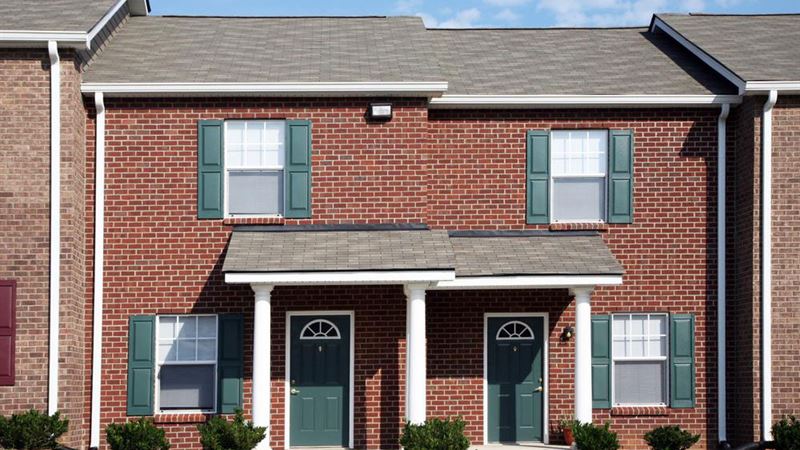
Selecting the right exterior door is a crucial decision that combines aesthetic appeal, security, durability, and functionality. The exterior doors serve as the primary barrier against the elements and intruders while contributing significantly to the overall curb appeal of your residence. This extensive guide will walk you through the various types of exterior doors available, their unique characteristics, benefits, and considerations to help you make an informed choice that matches your home’s style and security needs.When it comes to outdoor doors, durability is paramount. Exposure to rain, sun, wind, and temperature fluctuations can take a toll on weaker materials, causing wear and tear over time. Therefore, understanding the strengths and limitations of different door materials—including wood, fiberglass, and steel—is essential for selecting a product that offers longevity and maintains its visual appeal.**Wood Doors: Classic Elegance with Maintenance Needs**Wooden doors have long been favored for their timeless beauty and natural warmth. They can be crafted from a variety of hardwoods and softwoods, allowing for customization in design, finish, and style. However, the natural characteristics of wood also mean that these doors are susceptible to environmental damage. Rain, humidity, and intense sunlight often lead to warping, cracking, or fading unless proper maintenance is performed regularly.Maintaining a wood door involves periodic repainting or re-varnishing to protect the surface from moisture intrusion and UV damage. While this added upkeep can seem burdensome, many homeowners find the aesthetic appeal of a well-maintained wooden door worth the effort. High-quality wood can withstand the rigors of outdoor exposure longer than low-grade variants, making investment in premium materials advisable.**Fiberglass Doors: Modern, Versatile, and Cost-Effective**As a relatively newer option in the exterior door market, fiberglass has gained popularity among homeowners seeking durability combined with aesthetic flexibility. Fiberglass doors can mimic the appearance of traditional wooden doors with textured finishes, grain patterns, and even decorative panels. Thanks to advancements in manufacturing, these doors are available in various thicknesses, styles, and colors, providing a customizable look that suits diverse architectural designs.One of the key advantages of fiberglass doors is their resistance to weather-related damage. Unlike wood, they do not warp, crack, or swell when exposed to moisture or extreme temperatures. They are also low-maintenance, requiring only occasional cleaning and touching up paint or gel coats if needed.However, despite their resilience, fiberglass doors are not entirely impact-proof. Heavy impacts or collisions can cause cracks or surface damage, and their rigidity sometimes makes them more prone to cracking under significant force compared to solid wood or steel options. Still, their excellent insulation properties and versatility make them an excellent choice for many homeowners.**Steel Doors: Strength and Security**Steel exterior doors are renowned for their toughness and high security standards. These doors are constructed with a solid steel shell or core, making them resistant to forced entry and providing a strong physical barrier. Their durability makes them suitable for front entrances, especially in areas with high crime rates or severe weather conditions.One of the main benefits of steel doors is their low maintenance. A good coat of paint or specialized finish can keep them looking attractive for years. Any scratches or dents can generally be repaired with touch-up paint, and their resistance to pests, rot, and mold is significantly higher compared to wooden doors.However, steel doors do have some drawbacks. They can scratch, dent, or warp under extreme conditions if not properly maintained. They are also less resistant to impact compared to fiberglass and may rust over time if the protective coating is compromised. Ensuring proper sealing with external weatherstripping, and opting for corrosion-resistant finishes can enhance longevity.**Choosing the Right Door: Measurement and Fit**Proper measurement is critical when purchasing an exterior door to ensure a perfect fit, which is essential for security, insulation, and aesthetic reasons. When replacing a door within an existing frame, measure the height, width, and thickness with precision. It is recommended to use a tape measure and record the dimensions at multiple points to account for any unevenness in the frame.For complete replacements that include the frame, pre-hung doors are an excellent option. These come already mounted within a frame, making installation easier and providing the opportunity for a more precise fit. When selecting pre-hung units, double-check that the provided measurements align with your opening and that hardware such as hinges, locksets, and handles are included and compatible.Modern pre-hung systems also come with accessories like weatherstripping, thresholds, and pre-drilled holes for locks and handles, streamlining the installation process. Installation quality is key to ensuring the door functions correctly, provides proper insulation, and offers security.**Design and Aesthetic Considerations**The appearance of external doors is often the first impression visitors and passersby have of your home. Front doors, in particular, should be visually appealing while also offering robust security features. Styles range from classic panel doors to sleek, minimalist designs, with options for decorative glass inserts, wrought iron accents, and custom carvings.Back and side doors might not require the same level of visual appeal but should still be durable and functional. For example, doors leading into a garage or service areas need to be tough enough to withstand frequent use and potential impacts.Choosing a color that complements your home’s exterior paint and architectural style can enhance curb appeal. Darker hues tend to be more forgiving of dirt and scratches, while lighter shades can brighten the overall look of your facade.**Security and Safety Features**Beyond aesthetics, security remains a top priority. Invest in high-quality locking mechanisms—such as deadbolts, multi-point locks, and smart lock systems—that can be integrated with existing security systems. Reinforced frames and hinges also contribute significantly to overall safety.Weather resistance is equally essential, especially in areas with harsh climates. Weatherstripping around the door edges, thresholds, and proper sealing compounds help prevent drafts, water leaks, and energy loss. Additional features like storm doors or security screens can add layers of protection while improving insulation.**Additional Tips for Purchasing Exterior Doors**- **Energy Efficiency**: Look for doors with ENERGY STAR ratings or those equipped with insulating cores and thermal breaks to reduce heating and cooling costs.- **Material Quality**: Invest in high-quality materials and reputable brands to ensure long-term durability.- **Professional Installation**: A properly installed door enhances security, insulation, and longevity. Consider hiring experts to ensure a perfect fit and finish.- **Budget Considerations**: While cost is a factor, balancing affordability with quality and desired features will yield the best long-term value.In summary, selecting the ideal exterior door requires careful consideration of material, style, security features, and maintenance needs. By understanding the pros and cons of the available options and choosing a door that fits your home's aesthetic and functional requirements, you can enhance your home's safety, energy efficiency, and curb appeal for years to come.