
Essential Guidelines for Choosing and Installing Peel and Stick Tiles Successfully
Learn essential tips for selecting, preparing, and installing peel and stick tiles to enhance your home’s décor. Discover how to ensure a smooth surface, estimate materials accurately, and achieve professional-looking results with DIY-friendly tiles. This comprehensive guide covers all you need for a successful upgrade using peel and stick tiles, ideal for various rooms and surfaces. Perfect for homeowners aiming for affordable, innovative home improvements that stand the test of time.
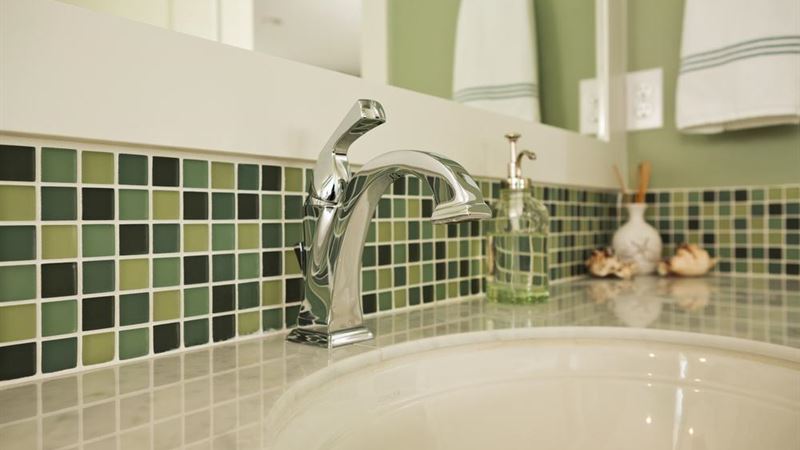
Peel and stick tiles have often been underestimated but can be an excellent solution when applied correctly. As more homeowners seek affordable and straightforward DIY home improvement options, peel and stick tiles are gaining popularity across various living spaces. Whether you're renovating a kitchen backsplash, updating your bathroom, or sprucing up your laundry room, understanding the key factors to consider before installing peel and stick tiles is crucial for achieving a professional-looking result. In this comprehensive guide, we will explore everything you need to know about selecting and applying these versatile tiles effectively.
1. Surface Preparation: The Foundation of a Perfect Installation – The success of your peel and stick tile project largely depends on the surface you're working with. The surface must be clean, dry, and smooth to ensure proper adhesion. If the underlying surface is uneven, it can lead to bubbles, wrinkles, or peeling over time, compromising the aesthetic appeal and durability of the tiles. For example, applying peel and stick tiles over warped or bumpy floors or walls often results in poor adhesion and an unattractive finish.
Ideally, you should prepare the surface by cleaning it thoroughly with a mild detergent and allowing it to dry completely. For slightly uneven surfaces, consider using a leveling compound to create a flat, smooth base. Materials like ceramic tiles, vinyl, or painted drywall are suitable surfaces, but they should be free from dust, grease, or old adhesive residues. Avoid applying peel and stick tiles directly onto textured or rough surfaces, as they do not adhere well and will detract from the final look.
2. Choosing the Right Location and Surface Type – Not all areas in the home are suitable for peel and stick tiles. Flat, horizontal surfaces like floors (especially in bathrooms and kitchens) and vertical surfaces like walls are the primary candidates. Specific spaces such as backsplashes, laundry areas, or even furniture accents can benefit from these tiles. However, avoid installing peel and stick tiles in high-moisture environments like fully enclosed showers or areas with direct water exposure unless the tiles are rated for such conditions.
For best results, install these tiles on smooth, even surfaces such as sealed concrete, finished drywall, or existing ceramic tiles. Avoid applying on textured or uneven surfaces, as gaps and bubbles can occur. If you're considering tiling over old linoleum or worn-out vinyl, ensure the surface is clean and stable. When in doubt, test a small section first to see how well the tiles adhere and how they look post-installation.
3. Estimating the Quantity Needed – Proper planning is essential to avoid running short midway through your project. Measure the room’s dimensions carefully, including any areas that require special cuts, such as around outlets, door frames, or irregular walls. It’s wise to buy an extra 10-15% of tiles beyond your calculated requirement to accommodate potential mistakes, damaged tiles, or future repairs.
Most peel and stick tile packages are sold individually, allowing you to purchase only what you need without excess leftovers. Keep some spare tiles on hand for future repairs, as matching the original tiles may become difficult once the project is complete. Overestimating slightly ensures your project proceeds smoothly without unnecessary delays or compromises in the aesthetic finish.
4. Room Size and Layout Considerations – The size and shape of your space significantly influence your installation approach. Rectangular and square rooms are straightforward since the tiles can be aligned along the walls with minimal cuts. Larger or irregularly shaped areas, however, require precise measurement and planning to prevent waste and ensure a seamless appearance.
In large rooms, it’s beneficial to lay out the tiles initially without adhesive to visualize the pattern and determine the best starting point. Symmetrical patterns or border designs may require special attention to tile alignment. When working with irregularly shaped rooms, expect to do detailed measurements and cuts, which might involve trimming tiles with a utility knife or scissors. Ensuring clean cuts and proper fitting will enhance the overall aesthetic and longevity of your tiling.
5. Additional Tips for Successful Installation – Prioritize quality tools such as a sharp utility knife, metal ruler, and measuring tape for precise cuts. When applying the tiles, peel back a small section of the backing and carefully stick the tile, pressing firmly to eliminate bubbles and ensure adhesion. Use a squeegee or roller to smooth out surface imperfections and improve contact between the tile and the substrate.
Patience is key—take your time aligning each tile perfectly and trimming edges as needed. After installation, avoid heavy traffic or exposure to moisture for at least 24 hours. Regular cleaning with gentle cleaners will help maintain the tiles' appearance and adhesion over time. With careful planning and execution, peel and stick tiles can dramatically transform your space with minimal effort and cost.
In conclusion, peel and stick tiles provide an affordable, easy-to-install option for DIY enthusiasts and homeowners seeking a quick upgrade. By paying attention to surface preparation, material selection, spatial planning, and precise installation techniques, you can achieve a stunning, durable finish that rivals professional tiling. Happy tiling!