
Essential Guidelines for Installing a Fireplace in Your Home: What You Need to Know
Explore comprehensive insights into fireplace installation, including types, costs, safety norms, and chimney requirements. Make an informed choice to enhance your home’s comfort and style with expert guidance on safe and efficient fireplace setups tailored to your needs.
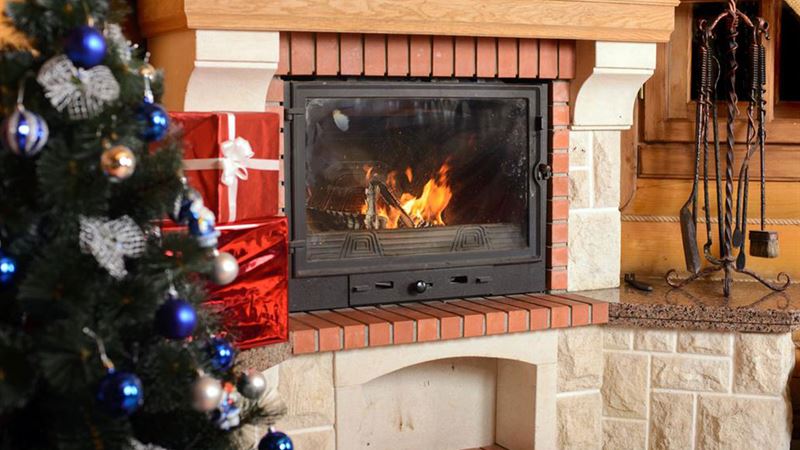
Adding a fireplace to your residence can significantly enhance its ambiance, comfort, and aesthetic appeal. Whether you opt for traditional wood-burning, gas, electric, or modern ethanol models, understanding the intricacies of installation, safety regulations, and costs is crucial. This comprehensive guide explores the various types of fireplaces, their installation requirements, safety considerations, and cost implications to help homeowners make informed decisions about integrating a fireplace into their living space.
Fireplaces have long been a symbol of warmth and elegance in homes, dating back centuries. Today, they continue to serve as focal points in living areas, combining functionality with design. But before you decide to install a fireplace, there are several important factors to consider to ensure that your choice aligns with your lifestyle, safety standards, and budget.
Types of Fireplaces and Their Features
Choosing the right type of fireplace depends on various factors, including home layout, budget, aesthetic preferences, and energy efficiency. Here's an overview of the most common fireplace options:
- **Wood-Burning Fireplaces**: Traditional and rustic, these fireplaces require a chimney or flue for venting smoke. They need a steady supply of dry logs, and their installation involves substantial setup, including chimney construction and ventilation systems. While they create authentic crackling sounds and a cozy atmosphere, they are less energy-efficient and demand regular maintenance.
- **Gas Fireplaces**: Offering convenience and cleaner burning, gas fireplaces run on natural gas or propane, requiring a dedicated fuel line. They provide adjustable flame settings and are easier to operate. Installation involves connecting to the gas supply and installing venting systems, which can vary in complexity and cost. They are considered more energy-efficient than wood-burning models.
- **Electric Fireplaces**: Ideal for modern homes or spaces where venting is difficult, electric fireplaces plug into standard outlets and use heating coils along with LED flame effects to simulate real fires. They are affordable, easy to install, and require minimal maintenance. However, they are generally less powerful in heating large spaces compared to other types.
- **Ethanol Fireplaces**: These are sleek, ventless fireplaces that burn bioethanol fuel. They can be easily installed anywhere without the need for chimneys or venting, making them a popular choice for urban apartments or renovation projects. While stylish and portable, ethanol fireplaces have limitations in heating capacity.
Cost Implications of Fireplace Installation
Understanding the costs associated with installing a fireplace is essential for budget planning. Prices can vary significantly based on the type chosen and the complexity of the setup. Here's a detailed breakdown:
- **Traditional Wood-Burning Fireplaces**: The costs for installing a wood fireplace typically range from $900 to $3,000. Expenses include constructing a chimney, hearth, and necessary ventilation. Additional costs may include surround materials, finishing, and optional enhancements like mantels or custom facades.
- **Gas Fireplaces**: Installing a gas fireplace usually costs between $2,000 and $5,000. Costs encompass connecting to the gas line, installing venting or direct vent systems, and completing interior finishing. Additional expenses may include remote controls, decorative surrounds, and safety features.
- **Electric Fireplaces**: These are the most budget-friendly, with installation costs often under $1,000. Since they don't require venting or extensive modifications, their quick setup makes them attractive for renters or temporary setups.
- **Ethanol Fireplaces**: Costs for ethanol fireplaces vary from $200 to $1,500. Generally, they are portable and easy to install, with minimal setup required. Keep in mind fuel expenses and safety precautions when considering long-term use.
Safety Regulations and Structural Considerations
Before proceeding with installation, it's vital to adhere to local safety standards and building codes. These regulations are designed to prevent fire hazards, carbon monoxide poisoning, and structural issues. Always consult with certified professionals to ensure compliance.
- **Permits and inspections**: Many jurisdictions require building permits for fireplace installation, particularly for wood and gas models. Inspections verify proper venting, clearance, and safety measures.
- **Clearance and insulation**: Sufficient space around the fireplace must be maintained to prevent heat damage or fire risk. Proper insulation and heat-resistant materials should be used in the surrounding areas.
- **Ventilation considerations**: For wood and gas fireplaces, effective venting systems are critical. They prevent the accumulation of smoke, fumes, and carbon monoxide, safeguarding your home's air quality.
Chimney and Venting Requirements
Traditional fireplaces, especially wood and gas types, require a functional chimney or venting system. The installation process involves labor and materials, often contributing to higher costs.
- **Chimney construction**: Building or modifying a chimney can cost approximately $2,500 or more. The design must meet local codes and be capable of safely venting smoke or gases.
- **Prefabricated systems**: Electric and ventless fireplaces eliminate the need for chimneys, simplifying installation and reducing costs. These options are suitable for spaces where traditional venting isn't feasible.
- **Maintenance and inspection**: Regular chimney cleaning and inspections are crucial for safe operation and to prevent fire hazards or blockages.
In conclusion, selecting and installing a fireplace requires thorough planning, adherence to safety standards, and considering costs carefully. Whether you prefer the classic charm of a wood-burning fire or the modern convenience of electric models, understanding these factors will help you create a cozy, stylish, and safe living environment.