
Comprehensive Guide to Keycaps: Types, Materials, and Customization Options
Discover everything about keycaps: materials, manufacturing techniques, customization options, and current trends. Learn how different plastics like ABS and PBT influence durability and aesthetics. Explore innovative options such as 3D printed and artisanal keycaps for personalized styling and high-quality craftsmanship. Perfect for enthusiasts, gamers, and collectors seeking to upgrade or personalize their mechanical keyboards with long-lasting, stylish, and unique keycaps.
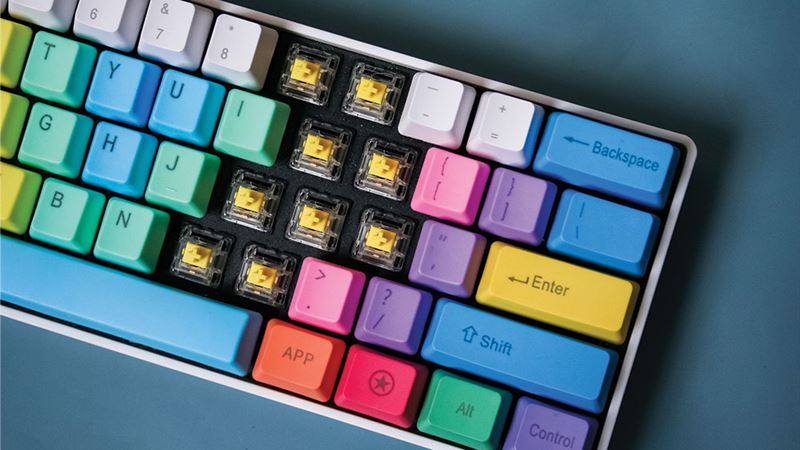
Keycaps are an essential component of mechanical keyboards, playing a crucial role in both aesthetics and functionality. They are the visible part of a keyboard that users interact with daily. A well-chosen keycap can enhance typing comfort, improve durability, and even personalize your device to reflect your style. Understanding the manufacturing process, the different types of materials used, and available customization methods can help enthusiasts select the perfect keycaps for their needs. This comprehensive guide delves into the intricacies of keycaps, exploring their materials, production techniques, customization options, and current trends to empower you in making informed decisions.
One of the primary factors influencing the quality and feel of keycaps is the manufacturing process. Most keycaps are made through injection molding, a highly precise method that involves melting plastic and injecting it into steel molds to produce consistent shapes. This process ensures a high level of accuracy and repeatability while allowing for mass production of keycaps with various designs and textures. The materials used in this process significantly impact the keycaps' appearance, durability, and tactile response. Let's explore the most common types of plastics used to craft high-quality keycaps.
ABS Plastic
Acrylonitrile Butadiene Styrene, better known as ABS, is among the most widely used plastics in keycap manufacturing. Its popularity stems from its availability, affordability, and ease of molding. ABS plastic provides a smooth finish and can be easily dyed in vibrant colors, making it ideal for producing stylish and customizable keycaps. While ABS keycaps are generally durable, they tend to develop a shiny appearance over time due to finger oils and frequent use. This shiny patina, known as "shine," can sometimes affect the aesthetics but can be mitigated with regular cleaning or by opting for double-shot or dye-sublimated printing techniques to improve longevity.
PBT Plastic
Polybutylene Terephthalate, or PBT, is rapidly gaining popularity among keyboard enthusiasts for its superior qualities. PBT is a thermoplastic polyester that boasts exceptional resistance to heat, moisture, and wear. Keycaps made from PBT are notably more durable than their ABS counterparts, maintaining their texture and color even after prolonged use. They are also less prone to developing shine, retaining a matte finish that many users find attractive. The increased manufacturing cost for PBT reflects its higher quality and durability, but many consider it a worthy investment for a long-lasting and premium keyboard experience.
While PBT is resilient and textured, it tends to be more challenging to mold, making PBT keycaps slightly more expensive. Due to their hardness, PBT keycaps also feel different under the fingers, providing a distinct tactile experience that many prefer. Furthermore, PBT keycaps are often produced using high-quality dye-sublimation techniques, which embed dye into the plastic itself, resulting in highly resistant legends that won't fade over time.
3D Printed Keycaps
Recent technological advances have democratized keycap customization through 3D printing. With consumer-friendly 3D printers becoming more affordable, enthusiasts can now design and create unique keycaps tailored to their preferences. Using 3D modeling software, users can customize the shape, size, texture, and color of their keycaps before printing them layer by layer. This method enables the production of complex, highly personalized designs that traditional manufacturing techniques might find difficult to replicate. Whether it’s novelty keycaps in intricate shapes or thematic designs, 3D printing opens endless possibilities for customization and creative expression.
However, it’s worth noting that 3D printed keycaps may not always match the durability or finishing quality of injection-molded counterparts, especially if made with lower-quality filament materials. For best results, high-resolution printers and durable filament types such as PETG or ABS are recommended. Creating your custom keycaps allows for a truly personalized typing experience, making your keyboard stand out and reflect your unique style.
Hand-Molded and Artisanal Keycaps
For collectors and enthusiasts seeking exclusivity, hand-molded keycaps represent the pinnacle of craftsmanship. These keycaps are crafted by skilled artisans using traditional techniques, making each piece unique. The process begins with artisans creating a master mold, often from clay or other malleable materials, which is then used to produce silicone molds. These molds are subsequently filled with resin or other suitable casting materials to produce the final keycap. Handmade keycaps often feature intricate designs, detailed textures, and custom colors. Due to the labor-intensive process, they tend to be more expensive and are considered luxury items in the keyboard community. They are highly prized for their aesthetic appeal and distinctiveness, serving as collectible art pieces rather than everyday essentials.
These artisanal keycaps can take numerous forms, from minimalist designs to elaborate artwork, often reflecting the artist’s personal style or cultural influences. The rarity and craftsmanship involved make them a highly sought-after addition to any mechanical keyboard setup.
POM Keycaps
Polyoxymethylene (POM), also known as acetal or Delrin, is a less common material used for keycaps. Though POM keycaps are known for their durability, their slippery surface can make them less desirable, especially for gaming scenarios where grip and control are paramount. Despite their toughness, the slick texture might reduce tactile feedback, which is why manufacturers prefer other materials for standard use. Nonetheless, POM is favored in certain niche applications where chemical resistance or high wear resistance is required.
Rubber-Coated Keycaps
Rubber-coated keycaps combine the plastic base with an additional rubber layer, offering enhanced grip and tactile feedback. These keycaps are particularly beneficial for gaming and prolonged typing sessions, providing a secure grip that minimizes finger slippage. This feature is especially appreciated by gamers, as it contributes to precision and control during rapid keystrokes. Rubber coating can also add a unique aesthetic element and feel, differentiating these keycaps from standard plastic options. They are usually manufactured as aftermarket accessories and are popular among individuals who require a better grip, especially in competitive gaming environments.
In summary, selecting the right keycaps involves understanding the material properties, manufacturing processes, and customization possibilities. Whether you prioritize durability, aesthetics, or tactile feel, the wide variety of options ensures there is something suitable for every user, from casual typists to professional gamers and collectors. As technology advances, the future of keycap design and production continues to expand, promising even more innovative and personalized solutions to enhance your keyboard experience.