
Comprehensive Guide to Essential Tremors: Causes, Symptoms, and Management
This comprehensive guide on essential tremors covers their causes, symptoms, diagnosis, and advanced management strategies. It highlights the importance of early detection and tailored treatments to improve quality of life for those affected by this common movement disorder. Learn about the latest therapies and lifestyle tips to handle essential tremors effectively.
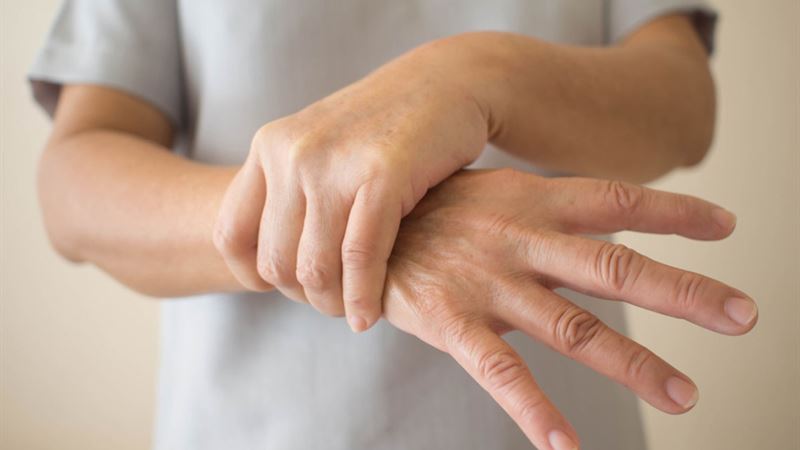
Essential tremors are neurological conditions characterized by involuntary, rhythmic shaking that can affect various parts of the body. Typically developing as individuals age, these tremors can interfere with daily activities such as eating, writing, or dressing without necessarily being dangerous, but they can progressively decline in quality of life if left unmanaged. Understanding the nuances of this condition, including its causes, symptoms, and treatment options, is crucial for effective management and improving patient outcomes. This comprehensive guide aims to provide detailed insights into essential tremors to help patients, caregivers, and healthcare professionals recognize and address this condition effectively.
What Are Essential Tremors?
Essential tremors (ET) are the most common movement disorder, affecting millions worldwide. Unlike Parkinson’s disease, which tends to have additional symptoms such as rigidity or bradykinesia, essential tremors predominantly feature rhythmic shaking. Interestingly, essential tremors can start subtly and become more prominent over time, often worsening during stressful situations or physical activities. Although ET can affect individuals of any age, it is most prevalent among middle-aged and elderly populations.
While the exact cause of essential tremors remains unclear, research suggests that genetic factors play a significant role, with many cases showing familial patterns. In some individuals, environmental factors such as exposure to toxins may contribute to the development of this condition. It is important to distinguish ET from other neurological disorders because their symptoms can sometimes overlap, making accurate diagnosis essential.
Classification and Types of Essential Tremors
Essential tremors are generally classified based on when the tremors occur and their intensity. The two primary types include:
- Action Tremors: These are the most common form of ET, manifesting when the affected individual actively moves or performs a task. These tremors intensify during voluntary movements like writing, holding objects, or reaching for items. Action tremors are often bilateral, affecting both sides of the body.
- Tremors at Rest: Less common, these occur when the body is at rest and tend to diminish with movement. Resting tremors are typically associated with other neurological conditions such as Parkinson’s disease, but in some cases, ET may present with a mixture of both action and resting tremors.
The severity and distribution of tremors can vary greatly among individuals. Some may experience mild shaking that hardly interferes with daily routines, while others may face significant impairment affecting their quality of life.
Common Symptoms and Signs of Essential Tremors
Recognizing the signs of essential tremors is the first step toward effective management. The symptoms often have variable intensity and can fluctuate throughout the day or worsen over time. Notable signs include:
- Hand Tremors: The hallmark symptom, characterized by rhythmic shaking of one or both hands during purposeful activities like writing, eating, or buttoning a shirt. The tremors tend to worsen with stress or fatigue.
- Head Movements: Shaking or bobbing of the head from side to side or up and down, often mistaken for a nodding gesture. These movements are generally involuntary and can be persistent or intermittent.
- Facial Twitching: Mild tremors may be observed around the eyelids or cheeks, giving an impression of twitching or muscle spasms.
- Speech Difficulties: When the tremors affect the tongue or vocal cords, speech may become slurred, slow, or hesitant, impacting communication.
- Gait Disturbances: In some cases, tremors in the legs can lead to imbalance or an unsteady gait, increasing risk of falls, especially in older adults.
It is noteworthy that symptoms can be subtle and may remain unnoticed in early stages. However, as the tremors progress, they can lead to difficulty in tasks requiring fine motor skills and significantly diminish quality of life.
Diagnosis and Differentiation from Other Conditions
Identifying essential tremors involves a thorough clinical examination, detailed patient history, and sometimes neuroimaging or laboratory tests to exclude other neurological disorders. Key factors include the pattern of tremor occurrence (action vs. rest), family history, and response to alcohol (which can temporarily reduce tremor severity).
Because ET symptoms can resemble those of Parkinson’s disease, dystonia, or other movement disorders, differential diagnosis is crucial. A neurologist may use specific tests or assessments such as electrophysiological studies to confirm the diagnosis and determine severity.
Underlying Causes and Risk Factors
While the precise etiology of essential tremors remains elusive, multiple factors are believed to contribute:
- Genetic Predisposition: Approximately half of ET cases are inherited in an autosomal dominant pattern, indicating a strong genetic component.
- Environmental Exposures: Long-term exposure to toxins or certain medications might increase risk, although conclusive evidence is still being researched.
- Age: Incidence tends to rise sharply after the age of 40, and the severity often correlates with advancing age.
- Neurological Factors: Abnormal activity in specific parts of the brain, particularly the cerebellum and thalamus, is believed to underlie tremor genesis.
It is also important to consider comorbidities such as osteoporosis or cardiovascular issues, which may complicate the clinical picture.
Treatment Options and Management Strategies
Although there is currently no cure for essential tremors, various treatment approaches can significantly reduce symptoms and improve quality of life. The choice of therapy depends on the severity of tremors, impact on daily activities, patient age, and overall health.
- Medications: The most common pharmacological agents include beta-blockers like propranolol and anticonvulsants such as primidone. These drugs can help dampen tremor amplitude and frequency. In some cases, benzodiazepines or botulinum toxin injections are used for focal tremors.
- Lifestyle Modifications: Stress management, avoiding caffeine, and incorporating relaxation techniques can help lessen tremor episodes. Using weighted utensils or pens can also facilitate easier handling of objects.
- Therapeutic Interventions: Occupational therapy can teach patients adaptive techniques for daily tasks. Physical therapy may improve coordination and balance.
- Surgical Options: For severe cases unresponsive to medication, deep brain stimulation (DBS) targeting specific brain areas has shown promising results in reducing tremors significantly.
Ongoing research aims to explore innovative therapies, including gene therapy and neurostimulation devices, to better manage this condition in the future.
Living with Essential Tremors: Tips and Support
Managing essential tremors involves not only medical treatment but also lifestyle adjustments. Support groups and counseling can provide emotional backing, especially for individuals experiencing social withdrawal due to visible tremors. Staying informed through reputable sources and maintaining regular medical check-ups are key components of long-term management.
Patients are encouraged to communicate openly with their healthcare providers about symptom progression and treatment efficacy. Combining medical therapy with lifestyle changes can help individuals maintain independence and positivity despite the challenges posed by essential tremors.
In summary, essential tremors are a common yet manageable neurological disorder with a variety of treatment options. Early diagnosis and personalized care are essential to help individuals lead active, fulfilling lives.