
Comprehensive Guide to Endoscopic Kidney Stone Removal: Procedure, Recovery, and Outcomes
This comprehensive article explores the endoscopic procedure for removing kidney stones, detailing the step-by-step process, recovery tips, potential complications, and modern advancements. It highlights the minimally invasive nature of ureteroscopy, laser fragmentation technology, and post-operative care to ensure optimal patient outcomes. Ideal for individuals seeking detailed insights into kidney stone treatment options, the article emphasizes preparation, recovery, and the importance of follow-up to prevent recurrence.
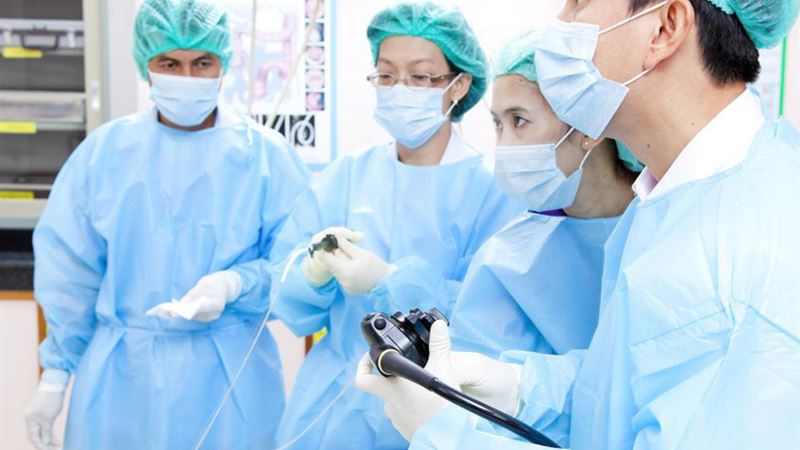
- The endoscopic treatment for kidney stones, commonly known as ureteroscopy, is a minimally invasive surgical procedure designed to remove stones from the kidney and urinary tract efficiently. Conducted under either general or spinal anesthesia, this procedure usually lasts around one hour, depending on the complexity and size of the stones. The surgeon guides a small, high-definition camera called a cystoscope into the urinary system via the urethra, eliminating the need for any skin incisions. This approach allows direct visualization and precise removal or fragmentation of stones.
- The initial step involves inserting a cystoscope, which is a slender tube equipped with a light and camera, through the urethra to inspect the bladder and ureter. This step not only helps in confirming the presence and location of stones but also allows the surgeon to assess the internal urinary tract for any abnormalities.
- Subsequently, a flexible or semi-rigid guiding wire is passed through the cystoscope into the ureter. Once the guide wire is securely in place, the cystoscope is carefully removed, leaving the guide wire in position to facilitate the introduction of the ureteroscope, which is the primary instrument used in the procedure. The ureteroscope is a narrow, instrument equipped with a camera and working channels that allow for stone removal or fragmentation.
- During the procedure, the surgeon may choose to extract the stone directly if it is small enough. For larger stones, a specialized laser—commonly a holmium laser—is employed to break the stone into tiny fragments that can be naturally excreted through urine. This laser technology enables precise fragmentation with minimal trauma to surrounding tissues. The fragments or the entire stone can then be flushed out or retrieved using specialized tools introduced through the ureteroscope.
- After successfully addressing the kidney stones, the surgeon may place a temporary ureteral stent or catheter to ensure proper urine flow and facilitate healing. A urinary catheter is also typically inserted into the bladder for the immediate postoperative period to assist in urination and monitor urine output.
- Personalized post-operative care is critical for optimal recovery. Patients are generally watched in the recovery area for several hours or overnight, depending on the individual case. Close monitoring helps detect any early signs of complications such as bleeding, infection, or ureteral injury.
- It is crucial to arrange reliable transportation to and from the medical facility, as patients might experience grogginess or discomfort that impair their ability to drive. The medical team will prescribe pain medications tailored to manage post-procedure discomfort effectively. Patients are advised to adhere strictly to these medications and avoid strenuous activities during the initial recovery phase.
- Post-procedure, patients often report a persistent stinging sensation during urination and an increased urge to urinate. These symptoms typically subside within a few days. Maintaining adequate hydration is essential—drinking plenty of fluids helps in flushing out residual stone fragments and reduces the risk of infection or further stone formation.
- The entire recovery process from endoscopic kidney stone removal generally spans 2 to 3 days, after which most patients can gradually resume their routine activities. However, it is vital to monitor for potential complications such as urethral trauma, narrowing (stricture) of the urethra, or residual stones that could obstruct urine flow. Regular follow-up appointments involving imaging studies may be recommended to ensure complete stone clearance.
Understanding the endoscopy procedure for kidney stones provides patients with confidence and clarity about what to expect, from preparation through recovery. Advances in endoscopic technology have significantly improved success rates, minimized discomfort, and shortened recovery times, making it a preferred choice for treating kidney stones across diverse patient populations. Proper postoperative care, hydration, and timely medical follow-up are essential components in ensuring the best possible outcome, preventing recurrence, and maintaining overall urinary health.