
Comprehensive Guide to Recognizing Pain Symptoms in Pets and Managing Their Discomfort
This comprehensive guide helps pet owners identify early signs of pain through behavioral and physical cues. It emphasizes a holistic approach to pain management, combining medication, therapy, and lifestyle changes to ensure swift recovery and improved quality of life for pets. Understanding these signs enables prompt veterinary intervention, reducing suffering and supporting healthy healing.
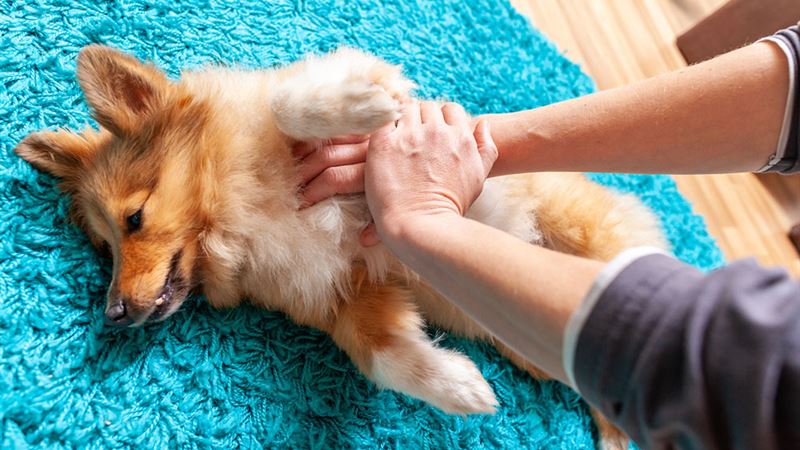
Understanding the signs that indicate your beloved pet is experiencing pain is crucial for ensuring their well-being and prompt treatment. Pets often hide their discomfort, making it imperative for owners to be vigilant and attentive to subtle cues. This detailed guide provides insight into how to identify pain in animals, the behaviors to look for, and effective strategies to manage their discomfort effectively, ensuring a swift recovery and better quality of life for your furry friends.
Identifying Physical Signs of Pain in Pets
One of the most noticeable indicators of pain in dogs is a change in their ear posture. Typically, a happy and relaxed dog will hold its ears upright or in a neutral position, but when in pain, they may flatten their ears tightly against their head. This ear position is an instinctive response to discomfort or distress. Similarly, cats and other pets might exhibit similar ear flattening. It’s essential to observe these changes consistently, especially if they persist over time.
Besides ear posture, other physical signs include decreased activity levels, reluctance to move, or uncharacteristic aggression when touched or approached. For example, a dog or cat in pain may remain in a specific spot, avoiding movement, or seek refuge in quiet corners like under the staircase or in a cozy, secluded area. These behaviors indicate that the pet is trying to minimize discomfort and avoid further injury or pain.
Also, vocalizations such as whimpering, yowling, or loud, unusual sounds are common when pets are in pain. These sounds serve as a way for animals to communicate distress, especially if they are unable to express their discomfort through other means. Furthermore, pets may excessively lick or chew a certain part of their body, which is a conscious effort to soothe an irritated or painful area. Persistent licking can also lead to secondary skin infections, so it's important to monitor and address these behaviors promptly.
Behavioral Changes and Activity Levels as Pain Indicators
Pain often manifests in altered behavior patterns. For example, a normally playful dog may suddenly become lethargic or less interactive. Likewise, cats may become withdrawn, avoid interaction with humans, or refuse to engage in their usual activities. Changes in sleep patterns—either sleeping more than usual or having difficulty resting—are also telltale signs of discomfort.
When pets are in pain, their activity levels decrease significantly. They may prefer to stay in their comfort zone, such as in a bed or a quiet corner, avoiding movement altogether. Attempting to pick them up or force movement can trigger defensive behavior such as growling, snapping, or biting, which is a natural response to pain and discomfort.
In these situations, it’s critical not to attempt to handle or treat your pet on your own without professional guidance. Immediate consultation with your veterinarian is essential to diagnose the cause of pain accurately and implement appropriate treatment plans. Delaying care can worsen the condition, prolong suffering, and lead to complications.
Effective Pain Relief Strategies for Pets
Managing pain in pets requires a comprehensive approach. Depending on the severity and cause, your veterinarian may prescribe specific medications such as NSAIDs (Non-steroidal anti-inflammatory drugs), muscle relaxants, or other analgesics tailored for animals. It’s important to follow dosage instructions carefully and avoid administering human pain medications unless explicitly recommended by your vet, as many human drugs can be toxic to animals.
For mild to moderate discomfort, over-the-counter options might provide relief, but only under veterinary supervision. Many vets recommend certain reputable pain relievers and muscle relaxers that are safe for pets, especially during recovery from injury or surgery. During a veterinary consultation, a comprehensive assessment may include prescribing medication, recommending rest, and suggesting specific care routines to ease the pain or discomfort.
When pets undergo major surgery or experience chronic pain, a combined approach involving medication, rehabilitation therapy, and lifestyle adjustments is often necessary. Proper pain management not only alleviates suffering but also enhances healing, restores mobility, and improves overall quality of life.
Furthermore, non-pharmacological therapies such as acupuncture, therapeutic massages, and gentle exercise can significantly support recovery. These therapies help reduce inflammation, improve circulation, and restore muscle strength, which are vital for full recovery. Always consult with your veterinarian before exploring alternative treatments to ensure they are suitable and safe for your pet.
Rehabilitation and Lifestyle Modifications for Pet Pain Management
Sustained pain management involves more than just medication. A well-designed rehabilitation regime plays a critical role in restoring mobility and functionality. This includes physical therapy, targeted exercises, and massage techniques tailored to the specific needs of your pet. A nutritious diet supportive of healing and overall health complements these efforts, making a notable difference in recovery times.
During recovery, lifestyle modifications can also have a positive impact. For example, creating a comfortable and accessible environment, using orthopedic beds, and minimizing strenuous activity during healing periods all contribute to alleviating pain and fostering faster recovery.
Also, consider the importance of regular veterinary check-ups post-treatment to monitor progress, adjust medications if necessary, and prevent complications. Educating yourself about your pet’s specific needs and warning signs of recurring pain ensures you can act swiftly and effectively when needed.
In summary, recognizing pain symptoms early and adopting a holistic approach to management can make a significant difference in your pet’s comfort and health. Combining medication, rehabilitation, and lifestyle adaptations forms the cornerstone of effective pain control, facilitating a quicker return to active, happy life for your furry companions.