
Comprehensive Approaches for Managing and Healing Psoriasis
Explore effective, modern treatment options for psoriasis, including biologic therapies targeting cytokines, innovative phototherapy methods, nerve growth factor inhibitors, and natural remedies. Learn how these strategies can help manage and possibly reduce psoriasis symptoms, improving quality of life through scientifically-backed interventions and herbal supplements.
Biologic Therapies Targeting Cytokines
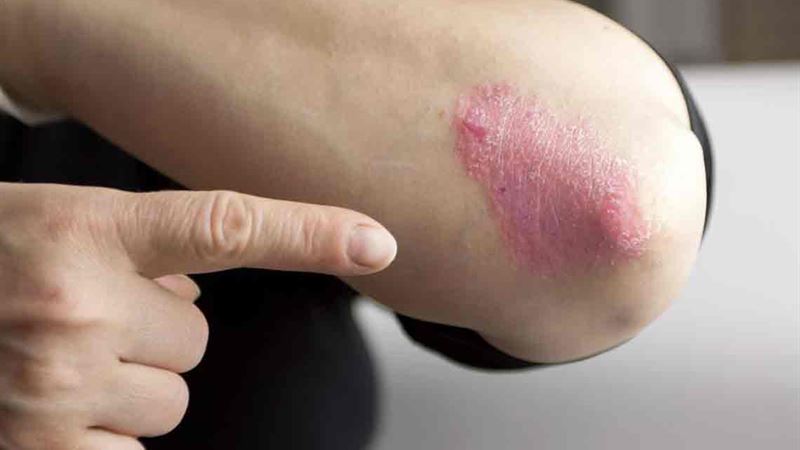
Psoriasis is driven primarily by immune dysregulation, especially the excess production of cytokines like tumor necrosis factor-alpha (TNF-α), interleukins IL-17, and IL-23. Cutting-edge biologic medications are designed to specifically inhibit these inflammatory molecules, thereby reducing skin inflammation and plaque formation.
Among the most effective biologics are TNF-α inhibitors, which include drugs such as Etanercept, Adalimumab, and Certolizumab pegol. These agents work by neutralizing soluble TNF-α, preventing it from binding to its receptors, thus decreasing inflammatory signaling. Etanercept, a fusion protein that mimics the human TNF receptor, binds to TNF-α in the bloodstream, reducing its availability. Administered twice weekly, these treatments have shown remarkable efficacy in clearing psoriatic plaques and reducing associated symptoms.
Adalimumab, a humanized monoclonal antibody (IgG1), is another therapy that captures TNF-α, leading to significant symptom relief in psoriasis patients. Likewise, Certolizumab pegol, which is a PEGylated anti-TNF-α antibody fragment, has demonstrated promising results, particularly in difficult-to-treat cases.
In addition to TNF-α inhibitors, newer biologics target interleukins—particularly IL-17 and IL-23—playing key roles in the inflammatory cascade. Medications like Secukinumab (anti-IL-17A), Ixekizumab, and Guselkumab (anti-IL-23) have revolutionized psoriasis management, offering durable responses and improved quality of life for patients.
Targeting T-cell Activation
Another innovative approach involves modulating T-cell activity. Alefacept, a fusion protein that interferes with T-cell activation, prevents the formation of the immunological synapse necessary for T-cell proliferation. By inhibiting this process, Alefacept reduces T-cell-mediated inflammation, leading to fewer psoriatic symptoms. This therapy is particularly effective for patients with moderate to severe psoriasis, especially those who do not respond well to traditional treatments.
Phototherapy: Light-Based Psoriasis Treatments
Phototherapy remains a cornerstone of psoriasis treatment, especially for extensive cases. Controlled exposure to ultraviolet light, particularly narrowband UVB, can significantly diminish skin inflammation and plaque buildup. Regular sessions supervised by dermatologists can lead to noticeable improvements. Moreover, home-based UVB phototherapy units are becoming popular due to their convenience and affordability, allowing patients to undergo treatment comfortably at home. However, it’s crucial to ensure insurance coverage and professional guidance when using these devices to prevent adverse effects.
An alternative phototherapy modality is PUVA (psoralen plus UVA), which combines a photosensitizing agent (psoralen) with UVA exposure. This approach is especially effective for resistant cases or psoriasis involving the palms and soles. Nonetheless, PUVA carries a higher risk of side effects such as skin aging and increased melanoma risk, so it should be administered under strict medical supervision.
Innovative Nerve Growth Factor Inhibition
Emerging treatments are exploring the role of nerve growth factor (NGF) in psoriasis. Elevated NGF levels in psoriatic lesions influence keratinocyte proliferation and nerve signaling. CT327, a topical NGF receptor blocker, aims to reduce nerve-related inflammatory responses. By targeting the neuropeptides and nerve signals involved in psoriasis, this approach offers a novel mechanism for managing skin lesions, particularly in patients unresponsive to conventional therapies.
Natural and Herbal Remedies
While medical treatments are essential, many patients seek complementary herbal remedies to manage psoriasis symptoms effectively. Prior consultation with healthcare providers is crucial to avoid potential interactions with existing medications. Here are some popular herbal options considered beneficial:
- Apple Cider Vinegar: Known for its natural disinfectant properties, diluted apple cider vinegar can alleviate scalp itching associated with psoriasis. Applying a mixture of equal parts vinegar and water to the scalp twice daily for about a week can produce noticeable relief. Avoid using this remedy on cracked or bleeding skin to prevent burning sensations.
- Aloe Vera: This soothing plant reduces redness, scaling, and itching. Applying pure aloe vera gel thrice a day to affected areas can promote healing. Store-bought aloe-based ointments with at least 0.5% aloe are effective, whereas ingesting aloe in pill form should be approached with caution due to potential adverse effects.
- Dead Sea Salt Baths: Adding Epsom salts or Dead Sea salts to lukewarm bathwater provides calming relief from itching and scaling. After soaking, gentle rinsing and moisturizing can enhance skin healing. Regular implementation over time yields beneficial results.
- Capsaicin: Derived from chili peppers, capsaicin blocks nerve endings responsible for pain and inflammation. OTC creams containing capsaicin can significantly reduce redness, scaling, and discomfort. Some users report a burning sensation, which should be discussed with a healthcare professional if persistent.
- Tea Tree Oil: With natural antiseptic properties, tea tree oil can be applied to psoriasis plaques, especially on the scalp. While beneficial, it’s important to test for allergies before regular use, as sensitivity varies among individuals.