
Choosing the Perfect Dog Collar: A Comprehensive Guide for Pet Owners
Discover the ultimate guide to selecting the perfect dog collar, covering styles, materials, safety tips, and personalization options. Learn how to choose a collar that offers comfort, durability, and style tailored to your dog's needs. This comprehensive article provides pet owners with detailed insights for making an informed decision to keep their furry friends safe and fashionable during daily activities.
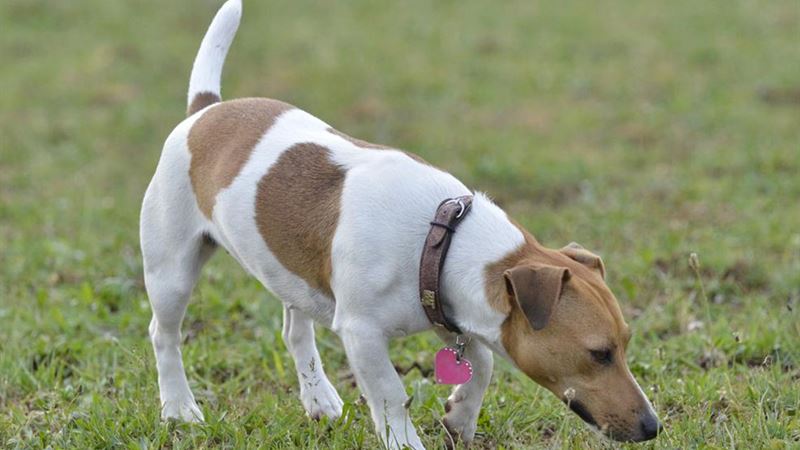
- Traditional Buckle Collars
The most prevalent style among dog collars, traditional buckle collars resemble human belts with a buckle and punched holes for size adjustment. Known for their reliability and ease of use, these collars are excellent for everyday wear, offering a secure fit that doesn't easily slip off. They are suitable for most dog breeds and ages, providing a classic look while serving practical needs. The buckle's sturdy design ensures safety during various activities, including walks and training sessions. - Martingale Collars
This collar type is specifically designed to give owners better control over their dogs, particularly those prone to slipping out of collars, such as greyhounds and whippets. It consists of a limited-slip chain or fabric chain that tightens gently around the neck when the dog pulls or backs away. Martingale collars are ideal for training purposes because they distribute pressure evenly, avoiding choking and providing gentle correction. They also help maintain control without causing discomfort, making them suitable for dogs with narrow heads or delicate necks. - Quick-Release Buckle Collars
Quick-release collars feature a clip or plastic buckle that can be easily snapped on or off, making them convenient for pet owners who prioritize quick removal or safety. These collars are commonly used in boarding kennels, grooming facilities, or by active owners who need to put on or remove the collar swiftly. Their design minimizes risks of accidental escape or choking. If your dog gets caught on something, the quick-release mechanism ensures the collar can be removed rapidly, preventing injury. - Center Ring Collars
Typically favored by hunters and working dogs, center ring collars feature a central O-shaped ring that allows for better flexibility and control. This ring is usually positioned in the middle of the collar's band, providing an even distribution of tension and reducing the risk of choking if the dog catches on bushes, rocks, or other obstacles during outdoor activities. The design offers safety and durability, making it suitable for active or working dogs that spend lots of time outdoors.
Material selection is crucial when choosing a dog collar, impacting comfort, durability, and suitability for your dog's skin condition. Consider your dog’s activity level and environment to select a fabric that withstands regular wear and tear. Below are common materials used for dog collars:
- Leather
Leather is one of the most traditional and stylish choices for dog collars. Known for its durability and timeless appeal, leather collars tend to soften over time, providing increased comfort. They are resistant to wear and tear, especially when properly maintained. Different types of leather cater to various breeds: lightweight Italian leather suits small breeds due to its softness and lightness, while rugged bridle leather is perfect for strong, active dogs. Leather collars also require regular conditioning to keep them supple and prevent cracking. - Nylon
Nylon collars offer affordability and versatility in design. These collars come in a vast array of colors, patterns, and sizes, making them a popular choice for casual use and puppies. They are lightweight, easy to clean, and resistant to water and weather conditions. However, nylon collars may not be as durable as leather and can wear out faster if exposed to persistent water or excessive rough use. They are ideal for dogs with sensitive skin, as they are less likely to cause irritation if chosen with soft padding. - Cotton
While similar in appearance to fabric, cotton collars provide a comfortable and hypoallergenic option for dogs with sensitivities or skin allergies. Made with a cotton exterior and nylon core for strength, these collars prevent skin irritation by allowing only the fabric to contact the dog’s skin. Cotton collars are especially suitable for dogs with skin conditions or allergies, and their breathable nature ensures comfort during warm weather or outdoor activities.
Beyond style and material, safety features and personalization options are important elements when selecting a dog collar. For instance, a collar with a metal ring or attachment point for identification tags ensures your dog can be traced back to you if they get lost. Personalization—such as engraved or embroidered tags with your contact details—adds an extra layer of security.
Size adjustment is equally vital. Ensuring the collar fits snugly without restricting airflow or causing discomfort prevents injury and enhances control. A good rule of thumb is that you should be able to fit two fingers comfortably between the collar and your dog’s neck.
Fashionable collars aren't just about aesthetics; many come with decorative elements or customizable features that allow you to express your pet’s personality. From embroidered names to decorative charms, personalized collars have gained popularity among pet owners looking to combine safety with style.