
Comprehensive Guide to Budget-Friendly Wall Repair and Maintenance Strategies
This comprehensive guide offers practical, affordable strategies for repairing and maintaining walls. From identifying common damage to step-by-step repair methods, it provides homeowners with essential tips to keep their walls in excellent condition. Learn about necessary tools, cost-saving techniques, and maintenance practices to ensure long-lasting results without overspending. Ideal for DIY enthusiasts and homeowners seeking budget-friendly solutions, this article empowers you to handle wall repairs confidently and efficiently, extending your walls' lifespan and enhancing your home's overall appearance.
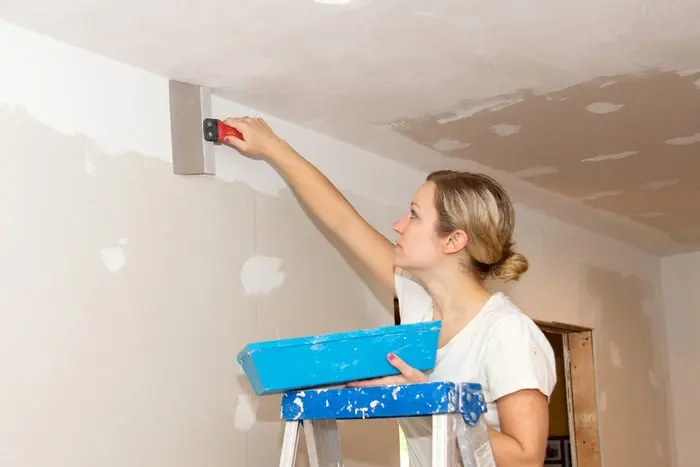
Identifying Common Wall Damage
Walls are subject to various forms of damage over time which can compromise their appearance and structural integrity. Recognizing the types of damage early on is essential for effective repairs and long-term maintenance. Typical issues include:
- Cracks: These often result from house settling, temperature fluctuations, or moisture infiltration.
- Holes: Usually caused by hung pictures, furniture accidents, or accidental impacts.
- Peeling or Flaking Paint: Signifies possible moisture intrusion, inadequate surface preparation, or poor-quality paint.
- Water Stains: Indicate leaks, drainage problems, or high humidity levels within the space.
Essential Tools and Materials for Wall Restoration
Preparing the right tools and materials before starting your repair ensures smooth work and professional results. Here's a detailed list:
| Tool/Material | Purpose |
|---|---|
| Spackle or Joint Compound | To fill cracks and small holes effectively. |
| Putty Knife | For applying and smoothing joint compound or spackle. |
| Sanding Block or Sandpaper | To smooth out patched areas for an even finish. |
| Primer and Paint | To seal repaired surfaces and match existing wall colors. |
| Caulk | To seal gaps around trims, baseboards, and joints. |
| Drop Cloths or Protective Sheets | To safeguard floors and furniture during repairs. |
Detailed Steps for Effective Wall Repair
Applying a structured approach guarantees durable and visually appealing results. Follow these detailed steps:
1. Conduct a Thorough Damage Inspection
Begin by inspecting the walls carefully, noting the extent and type of damage. Minor cracks and holes are often straightforward to repair DIY, but extensive structural issues should be evaluated by professionals.
2. Prepare the Workspace
Remove or move furniture away and lay down protective coverings on the floor to prevent messes. Clear the working area for ease of access.
3. Clean the Damaged Surface
Ensure the area is free of dust, dirt, and loose paint. Use a damp cloth and allow the surface to dry completely. Widening small cracks slightly with a utility knife can improve adhesion for fillers.
4. Apply Fillers to Holes and Cracks
Use a putty knife to carefully fill in the damage with spackle or joint compound. For larger gaps, apply in layers, letting each dry thoroughly before adding the next. Feather the edges to blend seamlessly.
5. Smooth and Finish the Repair
Once dry, sand the patched areas to achieve a flat, smooth surface that blends with the surrounding wall. Remove dust using a damp cloth or tack cloth.
6. Prime and Repaint
Apply a primer coat to sealed repaired areas for better paint adhesion. Follow up with matching paint applied evenly with a roller or brush. For precise edges, use painter's tape and a fine brush.
Maintenance Tips for Longevity
Consistent maintenance prevents frequent repairs and keeps your walls looking pristine:
- Regular Visual Inspections: Check for new cracks, peeling paint, or stains periodically.
- Moisture Control: Use dehumidifiers and ensure proper ventilation in damp rooms.
- Prompt Repairs: Address minor damages immediately to avoid escalation.
- Use High-Quality Paints: Better durability and resistance to peeling enhance longevity.
Cost-Saving Strategies for Effective Wall Repair
Achieving professional-looking results without overspending is possible with these smart strategies:
- DIY Repairs: Learn and perform minor repairs independently to eliminate labor charges.
- Bulk Purchasing: Buying supplies in larger quantities reduces per-unit costs, ideal for multiple repairs.
- Reusing Leftover Materials: Use existing paint and materials for touch-ups to save money.
Final Thoughts on Efficient Wall Maintenance
Maintaining your walls doesn’t need to be costly or complicated. By equipping yourself with the right tools and following these expert tips, you can restore and preserve your walls effectively. Regular inspection, timely repairs, and quality materials will keep your home’s interior attractive and structurally sound for years to come. Embracing these strategies ensures that affordability and quality go hand in hand, making wall repair an achievable task for every homeowner.