
Comprehensive Guide to Addiction Recovery Facilities in the United States
Discover detailed information about addiction treatment centers across the U.S., including types of programs, choosing quality facilities, substance-specific treatments, support services, costs, and how to find help nearby. Empower yourself or loved ones with the knowledge needed for effective recovery planning and taking the first step towards a substance-free life.
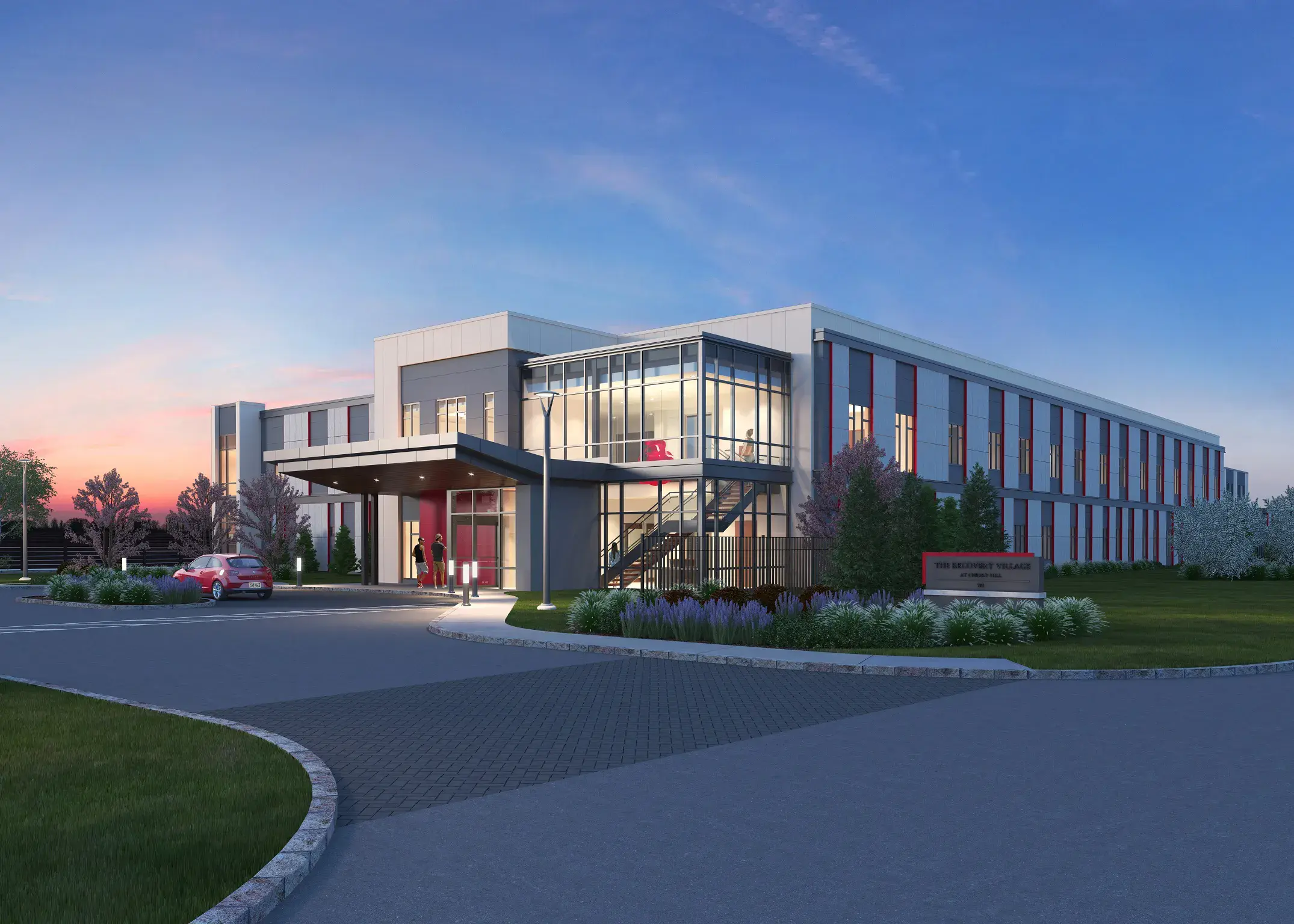
Understanding Addiction Treatment Centers
Recovery from substance dependency often necessitates specialized care environments known as addiction treatment centers. These facilities are dedicated to providing holistic and tailored approaches for individuals grappling with drug, alcohol, or prescription medication dependence. Treatment centers may offer a range of programs, including residential stays, outpatient services, intensive medication management, psychological counseling, and behavioral interventions. The main goal is to facilitate a safe, supportive space for detoxification and ongoing recovery support, customized to meet the unique needs of each patient.
Categories of Substance Abuse Treatment Programs
1. Inpatient Rehabilitation Centers
These centers accommodate residents who reside on-site during their treatment course, receiving 24-hour medical supervision. Ideal for individuals with severe addiction issues or those at high risk of relapse, inpatient programs typically span 30 to 90 days but can extend longer depending on patient needs. Such settings offer structured routines, constant support, and intensive therapy to address complex behavioral patterns associated with addiction.
2. Outpatient Treatment Services
Designed for patients who require flexible treatment schedules, outpatient programs enable individuals to attend therapy and counseling sessions while living at home and maintaining daily responsibilities. They are especially suitable for those with mild to moderate dependencies or those in the early stages of recovery, providing ongoing support without requiring full-time residence.
3. Detoxification Programs
Detox programs offer medically supervised withdrawal management to safely eliminate addictive substances from the body. These are often the initial phase of treatment and involve a combination of medication and supportive care to minimize withdrawal symptoms. Detox can occur on an outpatient basis or within inpatient settings, depending on the severity of dependence.
4. Long-term Residential Centers
Long-term residential programs typically extend beyond 30 days, sometimes lasting 6 months or more. They offer intense behavioral therapy, life skills development, and relapse prevention strategies within a stable, drug-free environment. Such programs are vital for individuals requiring extended support to rebuild their lives and sustain recovery.
5. Co-occurring Disorders Treatment
These specialized programs address both mental health conditions, like depression or anxiety, and substance use disorders simultaneously. Dual diagnosis treatment emphasizes integrated care to effectively treat the complex interrelation between mental health and addiction, increasing the chances of sustained recovery.
Comparison of Treatment Modalities
| Treatment Modality | Living Arrangements | Optimal For | Typical Duration |
|---|---|---|---|
| Inpatient Rehab | On-site | Severe addiction, high relapse risk | 30–90 days |
| Outpatient Program | Off-site | Mild to moderate dependency | Flexible, varies by individual |
| Detox Program | On-site or hybrid | Initial withdrawal management | 3–10 days |
| Residential Treatment | On-site | Long-term behavioral change | Over 30 days |
| Dual Diagnosis Treatment | On-site or off-site | Mental health and addiction issues together | Variable |
Selecting a High-Quality Treatment Facility
When choosing an addiction rehab center in the United States, consider the following crucial factors:
- Proper accreditations and licensing (e.g., Joint Commission, CARF)
- The availability of individualized treatment strategies
- Qualified clinical staff and support teams
- Access to post-treatment care and relapse prevention resources
- Insurance coverage options and cost transparency
- Positive patient testimonials and successful outcomes
Addressing Substance-Specific Recovery Requirements
Each substance poses unique challenges requiring tailored treatment approaches:
- Opioid Dependence: Often managed with Medication-Assisted Treatment (MAT), using medications such as Suboxone®, methadone, or buprenorphine to reduce cravings and withdrawal symptoms.
- Alcohol Addiction: May involve detox processes, combined with participation in 12-step groups like Alcoholics Anonymous (AA) or cognitive-behavioral therapy (CBT).
- Stimulant Abuse (e.g., methamphetamine, cocaine): Primarily addressed through behavioral therapies, support groups, and counseling that target psychological and behavioral triggers.
Additional Support Services Offered by Treatment Centers
Beyond clinical therapy, many addiction recovery centers provide extensive support services, including:
- Peer support groups and group therapy sessions
- Family counseling to rebuild relationships
- Life skills and vocational training to promote independence
- Assistance with employment and educational placements
- Sober living environments and transitional housing options
These comprehensive services are crucial in helping patients establish stability and long-term sobriety, fostering a resilient recovery path.
Financial Aspects and Insurance Options in the U.S.
Costs associated with addiction treatment can vary significantly based on the program type and location:
- Inpatient rehabilitation: $10,000 to $30,000 per month
- Outpatient services: $1,000 to $5,000 per month
- Detoxification: $300 to $800 daily
Most programs accept a variety of insurance plans, including Medicaid, Medicare, and private health insurance under the Affordable Care Act (ACA), making treatment accessible to those in need.
Locating Treatment Centers Near You
Finding reputable providers near your location can be simplified through resources such as:
- SAMHSA’s Treatment Locator (Substance Abuse and Mental Health Services Administration)
- Referrals from healthcare providers
- State-funded recovery programs and nonprofit organizations
Starting with these sources can connect you to top-quality treatment options that fit your specific circumstances.
Final Insights on Addiction Recovery
Today, addiction treatment centers serve as vital gateways to renewed health and well-being. With dedicated care, comprehensive support, and community resources, recovery is within reach for everyone battling substance dependence. Taking the first step towards help can be life-changing, paving the way for a healthier, substance-free future. Remember, help is available—reach out, seek support, and begin your journey toward lasting recovery today.