
Comprehensive Strategies for Overcoming Opioid Dependency
Discover comprehensive and effective strategies to overcome opioid addiction, including medication options like methadone, buprenorphine, and naltrexone, along with behavioral therapies. Learn how personalized treatment plans and ongoing support can help break free from dependence, reduce relapse risk, and restore health. Understanding the impact of opioids on the body and mind is crucial for effective recovery. This detailed guide provides valuable insights for individuals seeking lasting solutions to opioid dependency and offers hope for a healthier, addiction-free future.
Opioid addiction is a serious health issue that arises when individuals misuse prescription medications or illicit opioids, leading to physical dependence and psychological cravings. Many people initially use opioids for pain relief but find themselves unable to stop due to the addictive properties of these substances. Overdose risks increase significantly when the tolerance develops, prompting urgent need for effective treatment options. Fortunately, a range of therapies and medications are available that can help break free from opioid dependence and restore health and well-being. Understanding what causes opioid addiction and how it impacts your body is crucial to selecting the most appropriate treatment pathway.
Impact of Opioid Abuse on the Human Body
Opioid addiction causes profound alterations in brain chemistry, particularly affecting areas responsible for pleasure, reward, and decision-making. These changes make resisting cravings difficult and increase the likelihood of relapse. The primary effect of opioids is the activation of specific receptors in the brain called mu-opioid receptors, which produce pain relief but also intense euphoria. Over time, the brain's natural production of certain neurotransmitters diminishes, leading to physical dependence.
Opioid addiction causes profound alterations in brain chemistry, particularly affecting areas responsible for pleasure, reward, and decision-making. These changes make resisting cravings difficult and increase the likelihood of relapse. The primary effect of opioids is the activation of specific receptors in the brain called mu-opioid receptors, which produce pain relief but also intense euphoria. Over time, the brain's natural production of certain neurotransmitters diminishes, leading to physical dependence.
When an individual stops taking opioids abruptly or reduces dosage significantly, withdrawal symptoms emerge. These symptoms include severe pain, intense cravings, anxiety, depression, nausea, vomiting, diarrhea, chills, sweating, muscle aches, and insomnia. The severity and duration of withdrawal depend on factors such as the type of opioid used, the length of use, dosage, and individual health profiles. While withdrawal can be extremely uncomfortable and sometimes dangerous, medical supervision and carefully planned treatment protocols can greatly ease this process.
Effective treatment for opioid dependence emphasizes not just detoxification but also addressing the psychological factors that contribute to addiction. Maintaining sobriety requires ongoing support, medication, and counseling. Failure to treat underlying issues or prevent relapse often results in a cycle of repeated use, increasing the risk of overdose and other health complications.
Advanced Treatment Modalities for Opioid Dependency
Successful management of opioid addiction typically involves a combination of medications and behavioral therapies. Medications serve to reduce withdrawal symptoms and cravings, allowing individuals to focus on recovery without the constant urge to seek opioids. These pharmacological approaches are proven to significantly improve long-term outcomes and decrease relapse rates.
Successful management of opioid addiction typically involves a combination of medications and behavioral therapies. Medications serve to reduce withdrawal symptoms and cravings, allowing individuals to focus on recovery without the constant urge to seek opioids. These pharmacological approaches are proven to significantly improve long-term outcomes and decrease relapse rates.
Below are some of the most effective medication-assisted treatment (MAT) options available today:
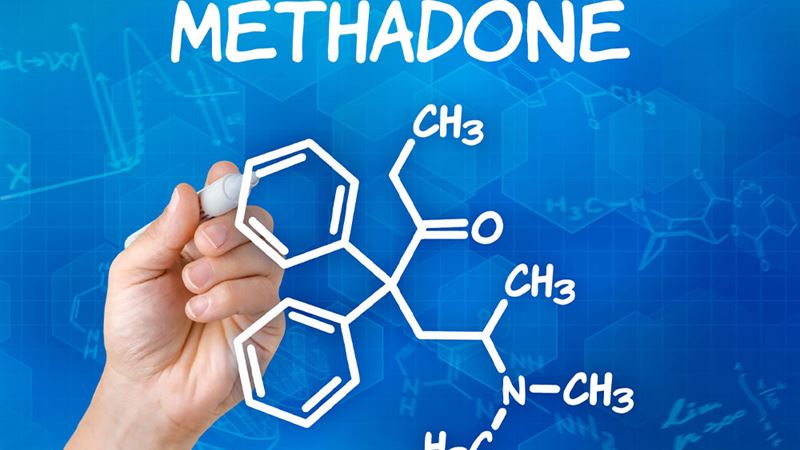
- Methadone: This long-acting synthetic opioid interacts with the same receptors as other opioids but does so in a controlled manner that prevents euphoria. Administered daily at specialized clinics, methadone reduces withdrawal symptoms and cravings. Its use is tightly regulated to prevent misuse, and patients must attend authorized clinics for administration and monitoring.
- Buprenorphine: Similar to methadone but with a lower risk of overdose, buprenorphine is a partial opioid agonist. It can be prescribed in various forms such as sublingual tablets, films, patches, or even implants designed to provide long-term relief. Its ceiling effect limits excessive opioid activity, making it safe for outpatient use.
- Naltrexone: Unlike methadone or buprenorphine, naltrexone is an opioid receptor antagonist that blocks the effects of opioids and prevents relapse. It does not alleviate withdrawal symptoms and is most effective after detoxification. Available as an oral pill or injectable formulation, naltrexone requires patients to be opioid-free before starting to avoid precipitated withdrawal.
In addition to medications, behavioral therapies such as cognitive-behavioral therapy (CBT), contingency management, motivational interviewing, and family counseling are vital to address psychological aspects of addiction. These therapies help individuals develop coping mechanisms, change unhealthy behaviors, and rebuild relationships.
Emerging research continues to develop new medications and treatment protocols aimed at reducing dependency and minimizing side effects. Non-addictive pain management options, such as nerve blocks, physical therapy, and non-opioid analgesics, are also being explored. Consulting healthcare professionals to identify the most suitable combination of treatments is essential for long-term recovery success.
If you or someone you know is struggling with opioid addiction, remember that help is readily available. With the right medical support, counseling, and commitment to recovery, overcoming opioid dependency is achievable. Don't let addiction control your life—seek professional treatment today and take the first step toward a healthier, addiction-free future.