
Innovative Strategies for a Sustainable Energy Future: Unlocking the Power of Renewable Resources
This comprehensive article explores the importance and advancements of renewable energy sources, including solar, wind, hydro, and geothermal power. It discusses technological innovations, economic benefits, challenges, and future prospects for a sustainable energy landscape. Emphasizing global efforts and policy support, the piece highlights how investing in renewables can create jobs, reduce environmental impact, and foster energy independence, paving the way for a resilient and eco-friendly future for communities worldwide.
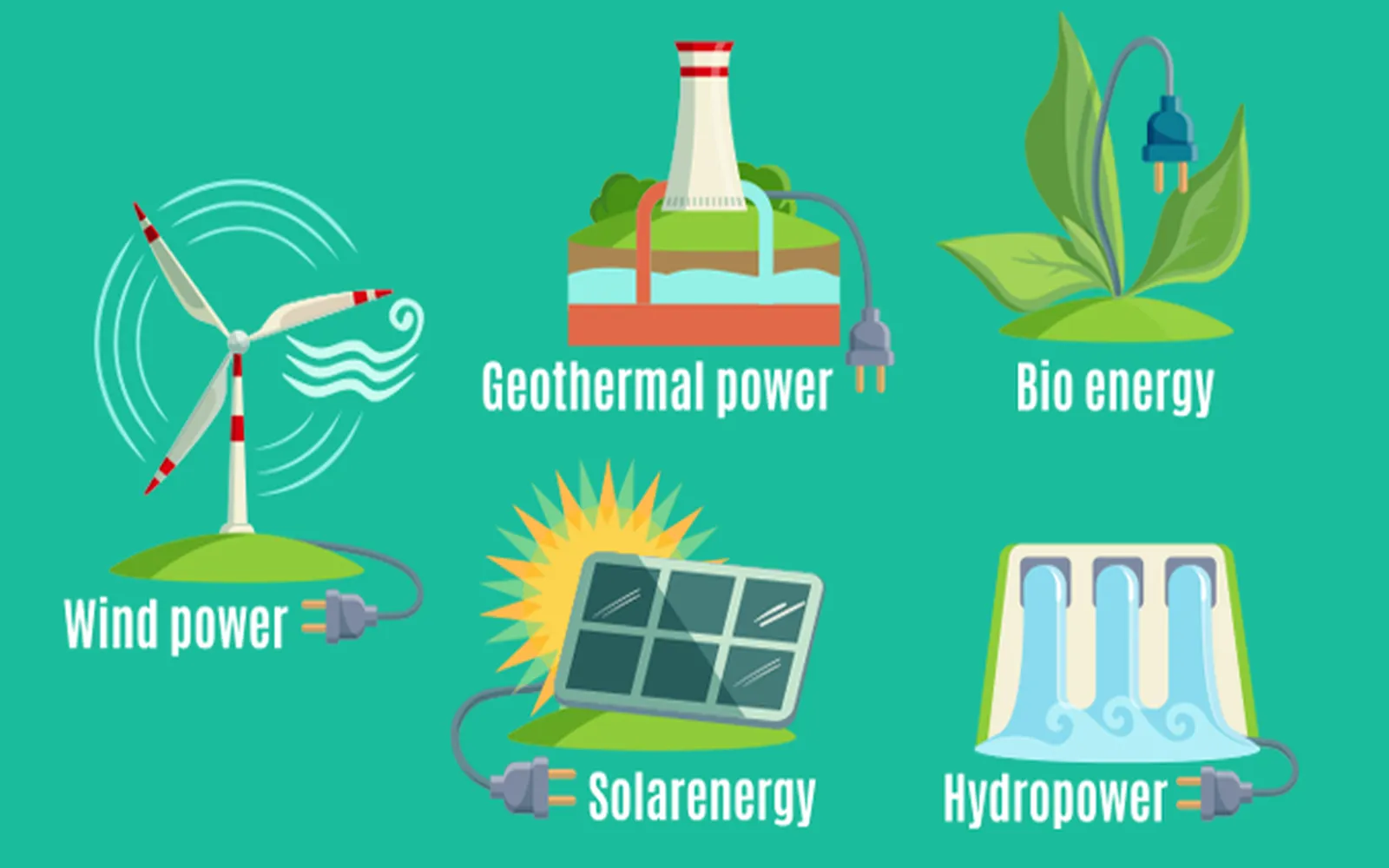
The Rising Need for Renewable Energy Solutions
In the face of escalating climate change impacts and shrinking fossil fuel reserves, the global shift towards sustainable energy sources has gained unprecedented momentum. Traditional reliance on coal, oil, and natural gas is increasingly seen as unsustainable due to their environmental footprint and finite supply. As the adverse effects of these energy sources become more evident, governments, industries, and communities worldwide are actively investing in renewable energy technologies. Solar, wind, hydro, and geothermal power are at the forefront of this transition, offering the promise of a cleaner environment and a resilient, sustainable economic future.
Harnessing Solar Power: A Sunlit Revolution
Solar energy remains one of the most abundant and accessible renewable resources available today. Through the use of photovoltaic cells, sunlight is converted into electricity, significantly reducing dependence on fossil fuels. The rapid advancement in solar technology has led to higher efficiency rates and lowered costs, making solar installations more attractive for residential homeowners, commercial enterprises, and utility-scale projects alike.
Governments worldwide are heavily incentivizing the adoption of solar power via tax benefits, grants, and research funding. These measures are accelerating the deployment of solar farms and rooftop solar systems, thus expanding the sector’s capacity. This energy source not only diminishes carbon emissions but also fosters economic growth by creating numerous jobs in manufacturing, installation, maintenance, and technological innovation. The proliferation of solar power is paving the way for a decentralized and resilient energy grid, empowering consumers and communities to generate their own clean energy.
Wind Energy: Capturing Nature’s Breath for Power
Wind energy has established itself as a critical element of renewable power generation. Modern wind turbines utilize kinetic energy from airflow to produce electricity. Innovations in turbine design and increases in size have enhanced the efficiency and capacity of wind farms. Both onshore and offshore wind projects are scaling up, particularly in regions with consistent and strong wind patterns.
Countries like China, the United States, and Germany are leading the charge in wind energy deployment, with offshore wind farms representing a large segment of future expansion plans. Offshore projects tap into stronger, more stable winds over oceans, significantly increasing energy output. This sector promises not only substantial emissions reductions but also economic benefits, including job creation in manufacturing, project development, and ongoing maintenance services. The expansion of wind energy further reinforces the global commitment to reducing greenhouse gases and transitioning to a sustainable energy landscape.
Hydropower: The Age-old Energy Source Modernized
Hydroelectricity has been utilized for centuries, serving as a reliable renewable energy source. By harnessing flowing water—whether from dams or river systems—hydropower converts water movement into electricity using turbines. Large-scale hydroelectric projects have historically contributed significantly to energy supplies, but they also pose environmental and social challenges, such as ecosystem disruption and community impacts.
Recent technological advancements focus on developing smaller, more sustainable hydro systems that can serve remote or rural areas with minimal environmental footprint. Innovations like run-of-river systems and sustainable dam designs aim to balance energy needs with ecological preservation. These developments are critical to expanding hydro's role in a diversified renewable energy portfolio while mitigating adverse effects on ecosystems and local livelihoods.
Geothermal Energy: Tapping the Earth’s Innate Heat
Geothermal energy leverages natural heat stored beneath the Earth's surface to generate electricity and provide direct heating solutions. This form of energy is highly reliable and offers consistent power generation unaffected by weather fluctuations, making it an appealing component of a sustainable energy strategy. Geothermal plants typically operate by drilling into geothermal reservoirs, which boil water or release steam used to spin turbines. Regions with high geothermal activity, such as Iceland, parts of the United States, and some Asian countries, have successfully integrated geothermal plants into their energy mixes. As exploration and drilling technologies improve, the potential for expanding geothermal capacity increases, providing a stable and clean energy supply. With its minimal environmental footprint, geothermal energy plays a crucial role in reducing overall carbon emissions and diversifying energy sources globally.
Overcoming Obstacles and Shaping the Future
Despite the promising outlook for renewable energy sources, several hurdles must be addressed. Developing the infrastructure for large-scale deployment, navigating regulatory landscapes, and securing public support are ongoing challenges. Additionally, energy storage remains a critical technology gap, especially for intermittent sources like solar and wind. Advanced battery systems and smart grid technology are rapidly evolving to mitigate these issues, allowing for better management of supply and demand.
Furthermore, increased investment in research and development is essential to enhance efficiency, lower costs, and innovate new solutions. Policy frameworks, financial incentives, and public awareness initiatives are equally vital for accelerating the global transition to renewable energy. As these advancements unfold, the dominance of fossil fuels will diminish, paving the way for a more sustainable and resilient energy future.
The Path Toward a Green Energy Future
Transitioning to renewable energy is not solely an environmental necessity but also an economic opportunity. It offers avenues for job creation, technological innovation, and energy independence. Embracing solar, wind, hydro, and geothermal energy allows societies to reduce greenhouse gas emissions significantly while bolstering local economies.
Moving forward, collaborative efforts among governments, industries, and communities are fundamental. Policies fostering clean energy investments, public education campaigns, and technological breakthroughs will drive widespread adoption. The future of energy hinges on our collective capacity to innovate and transform our energy systems. Capitalizing on the immense potential of renewable resources will ensure a sustainable, prosperous future for generations to come. Now is the time to act decisively, harness the power of nature, and build a resilient, cleaner energy landscape for all.