
Comprehensive Guide to Waste Management and Recycling Strategies
This comprehensive article delves into the critical aspects of waste management and recycling, highlighting the environmental impact of different waste types including electronic waste. It emphasizes the importance of sustainable disposal practices, recycling benefits, and strategies to reduce pollution, ultimately fostering a healthier planet through responsible waste handling and resource conservation.
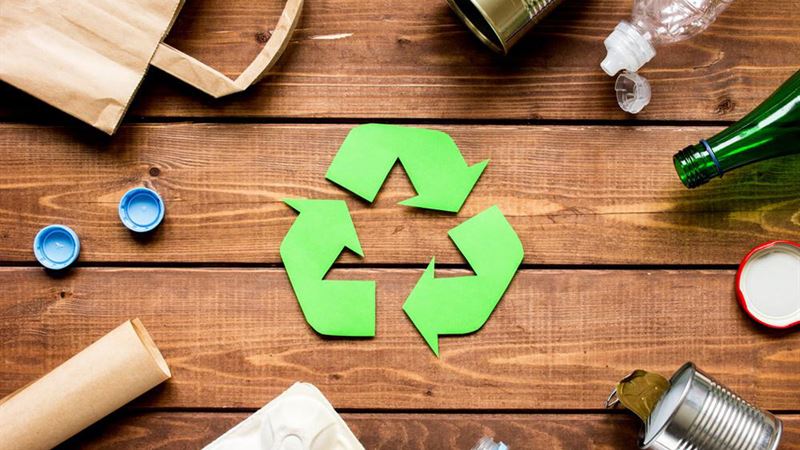
Waste management is a critical aspect of maintaining environmental health and sustainability. Proper disposal and treatment of waste can significantly reduce pollution, conserve natural resources, and protect public health. This encompassing guide explores various waste types, their impacts, and effective methods of management, emphasizing the importance of recycling to minimize environmental footprints.
One significant challenge is the release of hazardous materials into the atmosphere, such as thick smoke from various burning processes. These emissions can lead to severe respiratory issues and other health problems in humans. Moreover, waste materials like metals and plastics are non-degradable; they do not naturally break down over time and remain in the environment for hundreds of years, accumulating and causing ecosystem disruption.
In recent years, electronic waste, commonly known as e-waste, has emerged as a pressing environmental concern. E-waste includes discarded electronic devices like smartphones, televisions, refrigerators, computers, and other appliances. These items are often discarded after their operational lives end, leading to massive quantities of waste that are often improperly disposed of, causing grave environmental and health hazards.
What makes e-waste particularly harmful is its content of hazardous chemicals such as mercury, cadmium, and lead. These toxic substances can leach into soil and water, affecting both ecosystems and human health. Therefore, meticulous waste management practices are essential to handle e-waste, ensuring that hazardous materials are safely contained or properly recycled.
Recycling non-degradable waste plays a vital role in modern waste management strategies. Recycling transforms waste materials into new products, reducing the demand for raw resources and energy consumption associated with manufacturing from scratch. It also lessens the amount of waste sent to landfills and decreases environmental pollution.
Both small-scale and large-scale industries actively participate in recycling initiatives. They select recyclable raw materials to manufacture new products, which proves to be more cost-effective and environmentally friendly. Recycling not only conserves natural resources like minerals, water, and forests but also reduces greenhouse gas emissions, thereby combating climate change.
Efficient waste management and recycling are indispensable components of sustainable development. They require coordinated efforts among governments, industries, communities, and individuals. Implementing proper waste segregation, promoting recycling programs, and encouraging responsible consumption are key steps toward achieving a cleaner, greener planet.
In conclusion, managing waste effectively is a collective responsibility that demands continuous attention and innovation. From hazardous chemical waste to electronic waste, every type of waste should be treated with care. Recycling remains one of the most accessible and impactful practices to mitigate environmental damage, conserve resources, and promote sustainability.