
Creative Strategies for Designing an Economical Backyard Patio
Discover innovative, budget-friendly strategies to create a beautiful backyard patio. This guide covers planning, material selection, DIY tips, natural elements, second-hand shopping, zone design, lighting, and maintenance, helping you craft an inviting outdoor space without overspending. Learn how to maximize value with creative solutions to enjoy a stylish patio tailored to your budget and lifestyle, ensuring long-lasting beauty and functionality for years to come.
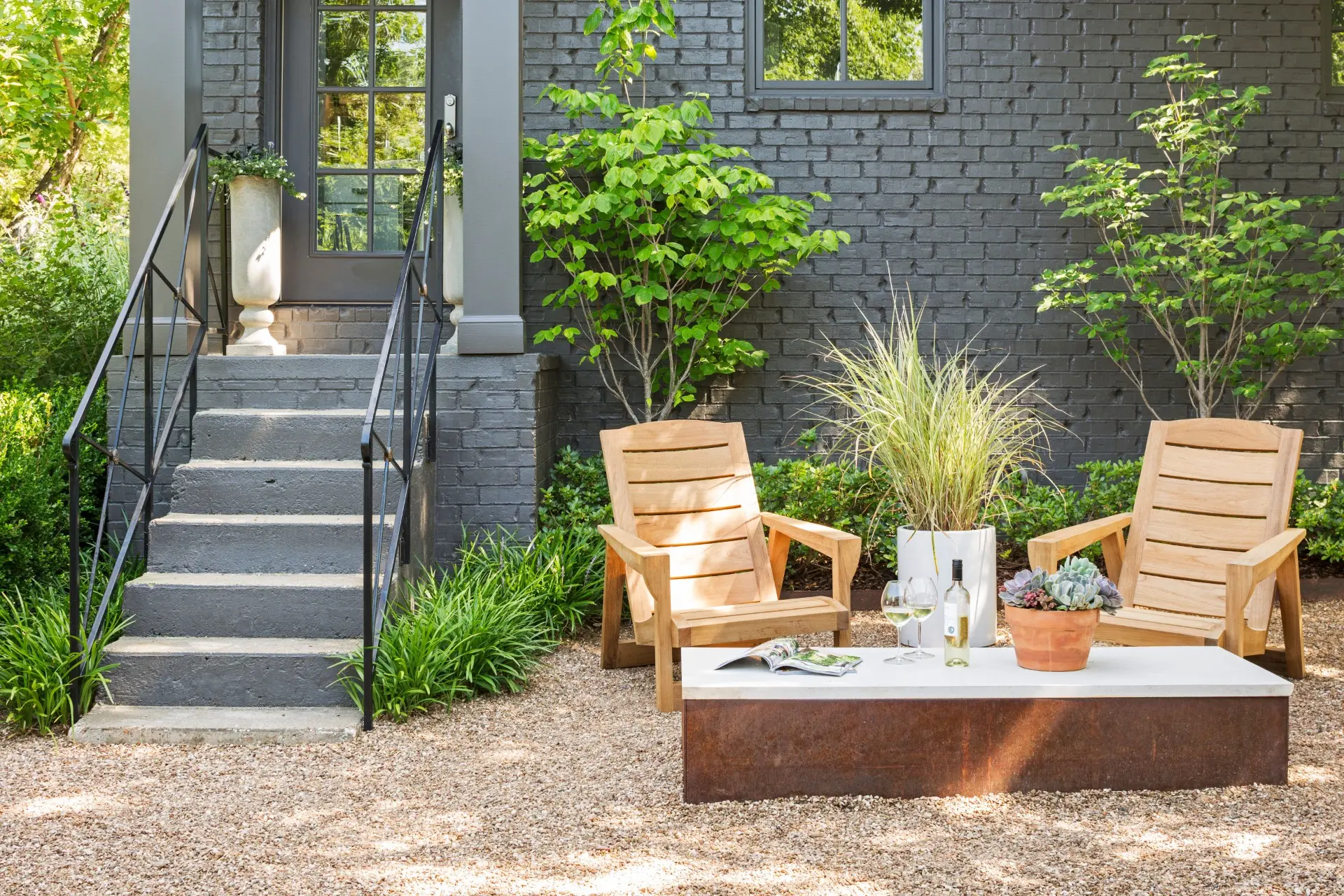
Transforming your backyard into a stylish and functional outdoor living area doesn't have to drain your finances. With strategic planning, resourcefulness, and a dash of DIY spirit, you can craft a stunning patio that elevates your outdoor experience without overspending. This comprehensive guide explores numerous creative techniques and practical tips for constructing an affordable backyard patio, ensuring you get the most value for your investment.
1. Strategically Plan Your Outdoor Space
Effective planning is the foundation of any successful backyard project, especially when operating within a budget. Begin by measuring your available space accurately, taking note of sunlight, existing landscaping, and practical usage areas. Decide whether your primary focus will be dining, lounging, entertaining, or perhaps a fire feature. Creating a detailed sketch or using design software can assist in visualizing the layout, allowing you to optimize the arrangement of furniture and pathways. Proper planning minimizes material waste, prevents costly mistakes, and ensures that every element serves a clear purpose, ultimately saving you money and stress during construction.
2. Select Cost-Conscious Materials and Finishes
Choosing the right materials is crucial in maintaining affordability without sacrificing style or durability. Several budget-friendly options are widely available and versatile:
- Concrete: One of the most economical and resilient options, concrete can be customized with stains, stamps, or overlays to mimic higher-end materials. Its affordability ranges from $2 to $6 per square foot, making it suitable for large areas.
- Gravel: Priced at about $1 to $3 per square foot, gravel provides excellent drainage and a natural appearance. It’s easy to install and can be topped with additional elements like pavers or stepping stones for more refined aesthetics.
- Pavers: Available in various styles, pavers typically cost between $3 and $15 per square foot. They are durable, easy to repair, and can be installed over existing surfaces, making them a flexible choice for cost-conscious projects.
- Wood Decking: Offering a warm, natural look, wood decks cost approximately $5 to $10 per square foot. While they require periodic maintenance, using affordable pressure-treated wood can help keep expenses down.
Leveraging these materials appropriately based on your design vision ensures a balance between cost and longevity. For example, mixing concrete with gravel paths can create a visually appealing yet affordable layout.
3. DIY Effort vs. Professional Assistance
The decision to undertake the project yourself or hire professionals significantly impacts your budget. DIY construction allows for substantial savings, especially if you possess basic carpentry, masonry, or landscaping skills. Numerous online tutorials, instructional videos, and community workshops can guide as you build your patio step-by-step. Tasks like laying gravel, assembling furniture, or planting beds are often manageable for enthusiastic homeowners. However, certain complex elements such as electrical wiring, plumbing, or intricate masonry might require professional expertise to ensure safety and durability. Sometimes, outsourcing specific parts of the project — like installing lighting or fixing structural features — can be a cost-effective way to achieve quality results without the expense of general contractors.
4. Incorporate Natural and Recyclable Elements
Using natural features and repurposed materials can greatly reduce costs while adding charm and uniqueness to your backyard. Native plants, wildflowers, and drought-tolerant shrubs not only save water but also require less maintenance. Incorporate stones, logs, or fallen branches as functional or decorative accents—these materials are often available at little to no cost. Consider repurposing existing garden furniture, pallets, or scrap wood by repainting or reupholstering to give them a fresh look. These sustainable choices often outperform manufactured products in visual appeal and cost-efficiency, creating a cozy, authentic outdoor environment.
5. Explore Second-Hand Marketplaces and Thrift Stores
Second-hand shopping is an excellent strategy to find high-quality outdoor furniture, planters, lighting, and decorative accessories at a fraction of retail prices. Online platforms such as Facebook Marketplace, Craigslist, or local classified ads often feature listings from homeowners seeking to sell or exchange patio items. Thrift stores and Habitat for Humanity ReStores frequently stock durable furniture and garden accessories suitable for outdoor use. Additionally, refurbishing older pieces with a fresh coat of paint, new cushions, or removable covers can give them a new life and personalize your space without overspending.
6. Design Functional Zones with Simple Furniture Arrangements
Rather than constructing separate physical sections, use cleverly arranged furniture to delineate different zones. For instance, a rectangular dining table with matching chairs clearly defines the eating area, while a pair of lounge chairs or a sofa with side tables designates the relaxation zone. Strategically placing rugs, planters, or lighting can further enhance these areas. This approach offers maximum flexibility, allowing you to modify or expand zones easily over time without substantial expenses. It also reduces the need for additional physical barriers, saving material and labor costs while maintaining a neat, functional layout.
7. Enhance Atmosphere with Cost-Effective Lighting
Lighting elevates the ambiance of your outdoor retreat without requiring a hefty budget. Solar-powered pathway lights, string fairy lights, lanterns, or LED garden lights are affordable options that add warmth and charm. Position lights along pathways, around seating areas, or near plants to create focal points and usability after sunset. Simple DIY lighting projects, like installing mason jar candles or repurposing old lamps, can further enrich the environment while keeping expenses low. Well-placed lighting also enhances safety by illuminating potential tripping hazards and making the space inviting during evening hours.
8. Maintain and Improve Your Patio Over Time
Long-term savings come from regular maintenance and timely upgrades. Keep surfaces clean, reseal concrete or wood finishes as needed, and promptly repair any damage. Refresh cushions, add seasonal decor, or introduce new plants to keep the space lively and inviting. Regular upkeep not only preserves the aesthetic appeal but also extends the lifespan of materials and furniture, preventing costly replacements down the road. An actively maintained patio remains a valuable outdoor asset that continues to provide enjoyment without recurring major expenses.
Building an affordable backyard patio is entirely feasible with strategic planning, clever material choices, and a bit of hard work. Embracing DIY opportunities, repurposing existing items, and using natural elements can dramatically reduce costs while creating a personalized, attractive outdoor space. Whether you’re seeking a cozy retreat or a lively entertainment hub, these tips will help you achieve your backyard dreams without exceeding your budget. Start planning today and enjoy the benefits of a beautiful, functional outdoor area that’s tailored to your lifestyle and financial comfort.