
Ultimate Guide to Choosing the Perfect Patio Umbrella for Your Outdoor Space
Discover the complete guide to selecting the ideal patio umbrella. Learn about size, style, frame and canopy materials, and how to choose a durable, weather-resistant umbrella that complements your outdoor space. Elevate your patio comfort and style today!
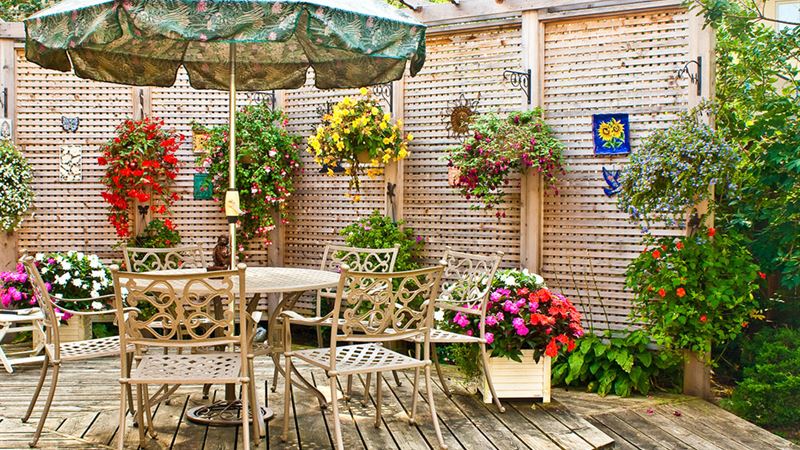
Creating a comfortable and stylish outdoor area begins with selecting the right patio umbrella. Not only does it provide essential shade and protection from the sun, but it also enhances the overall aesthetic of your outdoor space. Properly choosing a patio umbrella involves a detailed understanding of factors such as size, style, material, and placement. This comprehensive guide will walk you through every step to help you find the perfect umbrella tailored to your needs and preferences.
When considering the size, a key aspect is ensuring the umbrella offers adequate coverage for your table and seating area. For instance, it's recommended to add at least two feet of shade buffer around the table to eliminate unwanted glare and direct sunlight from multiple angles. For larger lounge zones, opting for a more expansive umbrella is advisable to maintain comfort throughout the day.
Once you've determined the appropriate size, the next step is to explore the various types of patio umbrellas available. Your choice will depend on both functional requirements and aesthetic appeal. Common styles include market umbrellas, cantilever umbrellas, and specialty designs, each with unique features to suit different needs.
Market umbrellas are traditional, having a central pole and straightforward design, making them easy to set up and move. Cantilever or offset umbrellas, on the other hand, are more modern, featuring a side-mounted pole and free-spinning canopy, which allows for flexible shading without obstructing the table or seating area. These styles are especially useful for larger or irregularly shaped spaces where maneuverability is essential.
In addition to style, the framing material of your umbrella is crucial for durability and longevity. For outdoor use, especially in areas prone to wind and rainfall, lightweight yet sturdy materials like aluminum are highly recommended. Aluminum frames are resistant to rust, corrosion, and can withstand stormy weather better than traditional wood or steel, ensuring your investment lasts over the years.
Another vital factor is the canopy fabric. The fabric not only contributes to the overall look but also determines how effectively the umbrella shields you from harmful UV rays and glare. Popular options include acrylic, polyester, olefin, and polyethylene. Each material offers distinct benefits — for example, acrylic fabrics are known for their vibrant colors and resistance to fading, while polyester tends to be more affordable and easy to maintain.
Color and patterns play a role in complementing your outdoor décor, but prioritize fabrics with UV protection and water resistance to ensure functionality in different weather conditions. Some fabrics are treated with special coatings that provide extra resistance against mold, mildew, and stains, making them suitable for year-round outdoor use.
Ultimately, choosing the right patio umbrella revolves around balancing aesthetics with functionality. Consider your climate, available space, and personal preferences to make an informed decision. Whether you prefer a classic market umbrella or a modern offset design, this guide will assist you in selecting a high-quality, durable, and stylish outdoor shade solution that elevates your patio experience.
For optimal outdoor enjoyment, invest in a well-constructed, weather-resistant umbrella that provides ample shade, complements your outdoor décor, and withstands the elements over time. Remember to also consider accessories like umbrella bases, wind vents, and LED lighting options to enhance your outdoor setup further. With thoughtful selection and proper maintenance, your patio umbrella will serve as a functional and attractive centerpiece for your outdoor living space for years to come.
When considering the size, a key aspect is ensuring the umbrella offers adequate coverage for your table and seating area. For instance, it's recommended to add at least two feet of shade buffer around the table to eliminate unwanted glare and direct sunlight from multiple angles. For larger lounge zones, opting for a more expansive umbrella is advisable to maintain comfort throughout the day.
Once you've determined the appropriate size, the next step is to explore the various types of patio umbrellas available. Your choice will depend on both functional requirements and aesthetic appeal. Common styles include market umbrellas, cantilever umbrellas, and specialty designs, each with unique features to suit different needs.
Market umbrellas are traditional, having a central pole and straightforward design, making them easy to set up and move. Cantilever or offset umbrellas, on the other hand, are more modern, featuring a side-mounted pole and free-spinning canopy, which allows for flexible shading without obstructing the table or seating area. These styles are especially useful for larger or irregularly shaped spaces where maneuverability is essential.
In addition to style, the framing material of your umbrella is crucial for durability and longevity. For outdoor use, especially in areas prone to wind and rainfall, lightweight yet sturdy materials like aluminum are highly recommended. Aluminum frames are resistant to rust, corrosion, and can withstand stormy weather better than traditional wood or steel, ensuring your investment lasts over the years.
Another vital factor is the canopy fabric. The fabric not only contributes to the overall look but also determines how effectively the umbrella shields you from harmful UV rays and glare. Popular options include acrylic, polyester, olefin, and polyethylene. Each material offers distinct benefits — for example, acrylic fabrics are known for their vibrant colors and resistance to fading, while polyester tends to be more affordable and easy to maintain.
Color and patterns play a role in complementing your outdoor décor, but prioritize fabrics with UV protection and water resistance to ensure functionality in different weather conditions. Some fabrics are treated with special coatings that provide extra resistance against mold, mildew, and stains, making them suitable for year-round outdoor use.
Ultimately, choosing the right patio umbrella revolves around balancing aesthetics with functionality. Consider your climate, available space, and personal preferences to make an informed decision. Whether you prefer a classic market umbrella or a modern offset design, this guide will assist you in selecting a high-quality, durable, and stylish outdoor shade solution that elevates your patio experience.
For optimal outdoor enjoyment, invest in a well-constructed, weather-resistant umbrella that provides ample shade, complements your outdoor décor, and withstands the elements over time. Remember to also consider accessories like umbrella bases, wind vents, and LED lighting options to enhance your outdoor setup further. With thoughtful selection and proper maintenance, your patio umbrella will serve as a functional and attractive centerpiece for your outdoor living space for years to come.