
Maximize Home Comfort and Savings with Advanced Energy-Efficient Window Solutions
Upgrade your home's windows with advanced energy-efficient options to reduce energy bills and enhance comfort. Learn about the latest technologies, types, installation tips, and benefits. Making informed choices can lead to significant savings, increased property value, and a greener lifestyle. Discover how modern window solutions improve insulation, minimize drafts, and optimize indoor temperature control, all while contributing to a sustainable future. This comprehensive guide helps homeowners navigate the best options for energy-saving window upgrades tailored to their needs and budgets, ensuring long-term benefits and enhanced living quality.
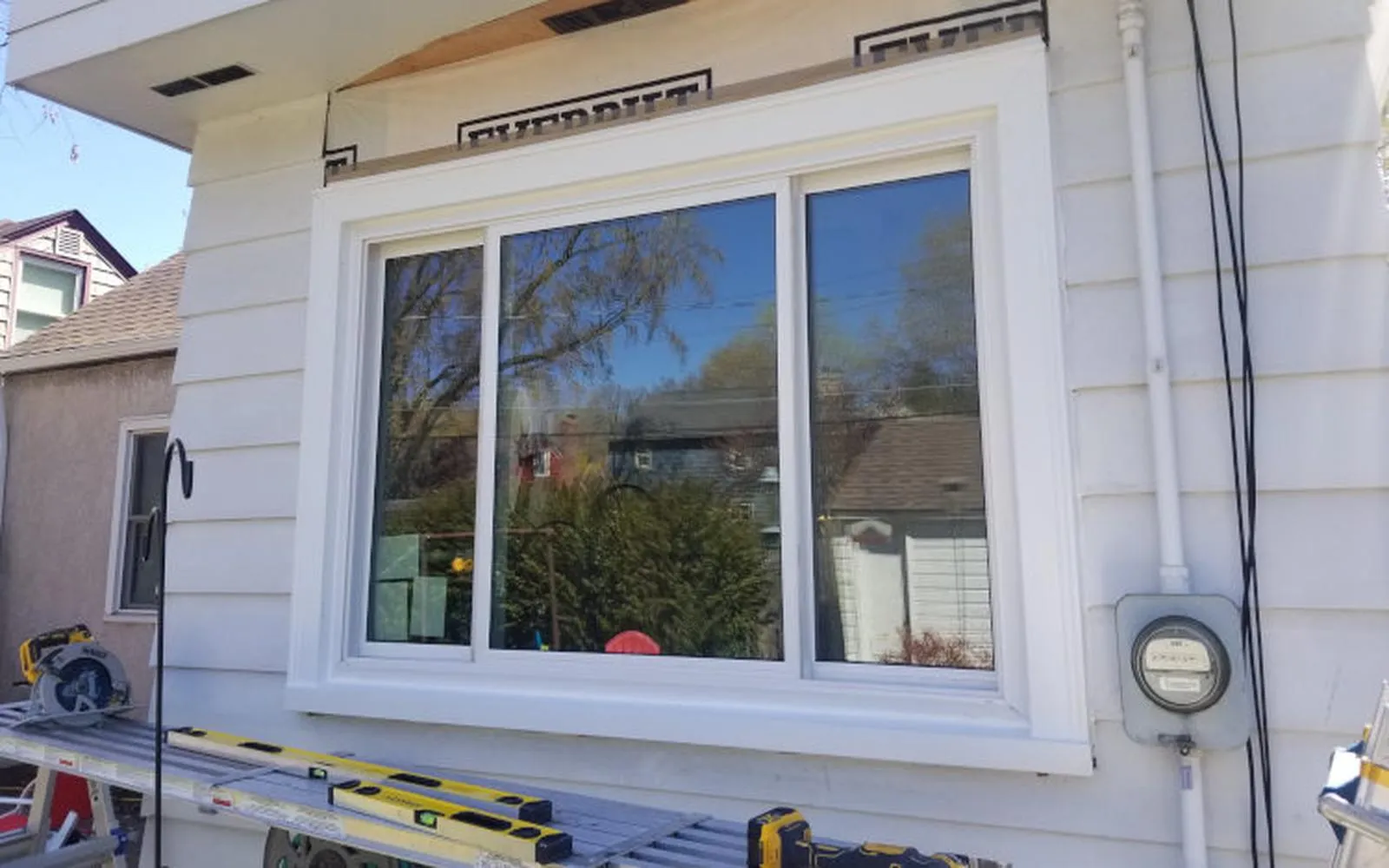
Enhancing your home’s energy efficiency through window upgrades is a strategic way to reduce utility bills and improve living comfort. Modern energy-efficient windows incorporate innovative features that optimize insulation and temperature control. By selecting the right type of windows, you can enjoy significant savings, improved aesthetics, and increased property value. This comprehensive guide explores various technologies, installation tips, and benefits of upgrading to high-performance windows, helping homeowners make informed decisions for sustainable living and cost-effective home improvement.
Understanding the Importance of Energy-Efficient Windows
Effective insulation is crucial for maintaining a comfortable indoor climate while minimizing energy consumption. Energy-efficient windows are engineered to limit heat transfer, ensuring your home stays cooler during summer and warmer during winter months. These windows utilize advanced materials and design features that significantly reduce the loss or gain of heat, thereby lowering the demand on heating and cooling systems. Investing in such windows not only leads to energy savings but also contributes to a more sustainable environment, aligning with modern eco-conscious living trends.
Key Technologies Behind Energy-Efficient Windows
Modern advancements have transformed window design, making them more efficient at conserving energy. The core technologies that enhance their performance include:
- Multiple Panes of Glass: Windows with two or three glass layers provide superior insulation by reducing heat conduction. These multiple panes are separated by insulating gases that further prevent heat transfer.
- Low-Emissivity Coatings (Low-E): Applying a specialized coating on the glass surfaces reflects heat back into the living space during winter, while blocking external heat in summer. This dual functionality maintains a stable indoor temperature year-round.
- Gas Fillings: Inert gases like argon or krypton are injected between panes, creating an insulating barrier that minimizes thermal transfer. Krypton provides higher insulation value but at a higher cost, making it suitable for premium upgrades.
- Insulated Frames: Modern window frames made from vinyl, composite, or wood are designed for maximum insulation, reducing thermal bridging and enhancing overall performance.
Categories of Energy-Efficient Windows You Can Choose From
Selecting the appropriate window type depends on your climate, budget, and aesthetic preferences. Here are some of the most popular and effective options:
- Double and Triple-Pane Windows: These models feature two or three layers of glass with insulating gases between them, offering improved thermal resistance compared to single-pane windows. They are suitable for regions with extreme weather conditions.
- Low-E Coated Glass Windows: Equipped with a transparent coating that reflects infrared heat, these windows provide optimal energy performance all year. They are ideal for homes aiming to balance natural light with energy efficiency.
- Gas-Injected Windows: Filling the space between panes with argon or krypton enhances insulation dramatically. Krypton, though more expensive, offers higher efficiency, making it suitable for high-performance upgrades.
- Vinyl and Composite Frames: These materials offer a combination of durability, low maintenance, and good insulation properties, often at a more affordable price point.
Advantages of Upgrading to Energy-Saving Windows
Making the switch to energy-efficient windows offers a multitude of benefits that go beyond just reducing utility bills. Consider these compelling advantages:
- Significant Cost Reductions: Enhanced insulation reduces the workload on your HVAC system, leading to lower energy consumption and decreased monthly expenses. While initial costs may be higher, the long-term savings quickly offset this investment.
- Consistent Indoor Comfort: Better insulation minimizes drafts and temperature fluctuations, creating a more uniform and cozy indoor environment regardless of outdoor weather conditions.
- Property Value Enhancement: Modern, energy-efficient windows are attractive features for potential buyers. Upgrading your home can improve its market value and appeal in a competitive real estate market.
- Environmental Benefits: Reduced energy use lowers carbon emissions, supporting sustainability initiatives and reducing your home's ecological footprint.
Financial Analysis: Weighing Costs Against Savings
Understanding the economic impact of window upgrades is essential for making informed decisions. Here's a detailed comparison of typical costs and expected savings:
| Type of Window | Average Cost per Unit | Annual Energy Savings |
|---|---|---|
| Single-Pane | $150 | None (Baseline) |
| Double-Pane | $350 | $100 |
| Low-E Double Pane | $450 | $150 |
| Triple-Pane with Gas Fill | $700 | $200 |
In practical terms, upgrading from single to double-pane windows can pay for itself within approximately three years, while high-end options like triple-pane units can deliver even faster returns thanks to greater energy savings. The key is selecting the right combination based on your local climate and budget.
Professional Installation: Maximizing Performance
For optimal results, professional installation of your energy-efficient windows is crucial. Skilled installers ensure proper sealing and framing, preventing air leaks and maximizing insulation efficiency. Incorrect installation can compromise performance, leading to increased energy costs despite the upgrade.
It’s advisable to obtain multiple quotes and check references before hiring a contractor. Prioritize those with experience in energy-efficient window installation, as their expertise directly impacts your long-term savings and comfort.
Making the Right Choice for Your Home
Choosing the ideal energy-efficient windows depends on your specific needs, budget, and local climate. Consider factors such as insulation performance, durability, aesthetic preferences, and maintenance requirements. Modern options offer a variety of styles, colors, and frame materials to match your home’s exterior and interior design.
Final Recommendations and Tips
Investing in energy-efficient windows is a forward-looking decision that enhances comfort, lowers costs, and adds value to your property. To maximize the benefits, combine window upgrades with other energy-saving measures such as improved insulation, smart thermostats, and energy-efficient lighting. Regular maintenance, including cleaning and sealing, will ensure your windows perform at their best over time.
Start planning your upgrade today. Consult with professionals, review your options, and choose windows that align with your sustainable living goals. A smarter, more energy-efficient home is within reach, providing comfort and savings for years to come.