
Essential Guidelines for Upgrading Your Home Windows: A Comprehensive Guide
This comprehensive guide explores essential aspects of window replacement, from identifying when it’s needed to choosing styles, materials, and professional installation tips. Learn how to measure accurately, select energy-efficient options, and enhance your home’s aesthetic with the right windows, ensuring durability, safety, and cost savings for years to come. Perfect for homeowners planning upgrades or renovations, this article provides expert advice to make informed decisions and achieve exceptional results.
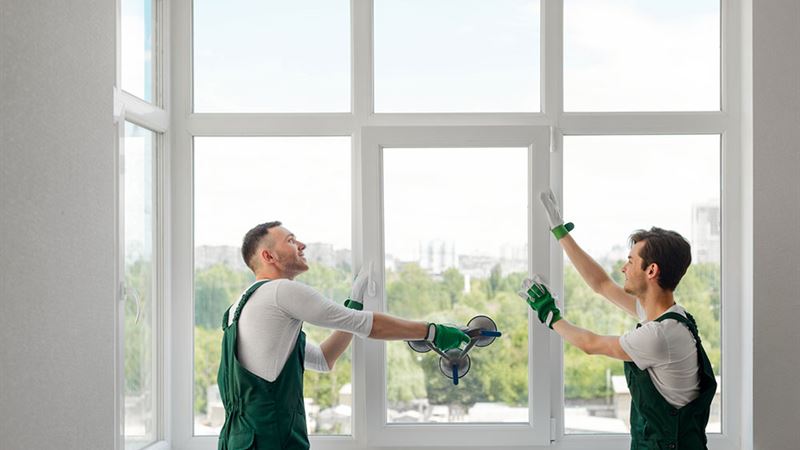
One of the first steps in upgrading your windows is identifying when replacement is necessary. While some minor repairs can prolong window life, certain issues demand full replacement to ensure safety, efficiency, and functionality. Keep an eye out for these telltale signs:
- Visible Damage or Warping: Cracks, broken glass, warping frames, or damaged sashes are clear signals that your windows are compromised. While minor issues like hardware malfunctions can often be repaired, structural damage usually requires full replacement to restore integrity and security.
- Persistent Drafts and Fogging: Windows that appear cloudy or foggy between panes or allow drafts inside diminish energy efficiency and comfort. If sealing repairs don't work, it's indicative that the window's insulating properties have failed.
- Difficulty Opening or Closing: Sticking, jamming, or the inability to open/close windows can be caused by warped frames or worn-out components, reducing ventilation and security.
- Rising Energy Bills: Drafty or inefficient windows increase heating and cooling costs. If upgrading your windows can reduce energy expenses, it's a financially smart decision.
- Old or Outdated Style: Aesthetic reasons also motivate window replacement. Worn-out, faded, or mismatched windows can detract from your home's curb appeal, especially if you're planning to sell or renovate.
Before purchasing new windows, understanding measurement techniques and choosing the right style and material is essential. Precise measurement ensures a perfect fit, preventing energy loss and installation issues. Here's a detailed guide on how to measure accurately:
- Measuring Width: Use a tape measure to record the distance between the window jambs at three points—bottom, middle, and top. Always measure right from the surface of the jambs, avoiding trim or beads. Use the smallest measurement for ordering.
- Measuring Height: Measure from the highest point of the sill (interior surface) to the top of the window opening at three locations: left, center, and right. Select the shortest of these for your specifications.
- Measuring Depth: Ignore pulleys and parting strips, as they are removed during installation. Ensure there is at least 3¼ inches of depth from the outside blind stop to the interior trim for the new window to fit properly.
- Ordering Windows: When ordering, provide only the smallest measurements for width and height. The manufacturer will typically deduct ¼ inch to fit the window correctly, finalizing with a ⅛-inch tolerance.
Choosing between insertion and full-frame replacement depends on the condition of your current frames and your remodeling goals. Here’s a detailed comparison:
- Insert Windows (Pocket Windows): Designed to fit into existing frames, these windows replace only the sash, leaving the main frame intact. They are ideal if your current frames are still in good condition and can save time and money. They are relatively easier for DIY installation and cause less disruption.
- Full-Frame Replacement: Involves removing the entire window and frame, providing the opportunity to upgrade to a different style or improve insulation. Best suited for deteriorated, rotting, or problematic frames, this option offers more flexibility during renovation projects.
The choice of frame material drastically influences your window’s durability, maintenance, and aesthetic appeal. Here’s an in-depth look at common options:
- Vinyl: Highly popular for its affordability, durability, and low maintenance. Vinyl frames are impact-resistant, won’t rot or fade, and require no painting. The hollow chambers inside minimize heat transfer, enhancing energy efficiency.
- Aluminum: Known for its strength and light weight, aluminum offers economical and rust-resistant qualities. It requires minimal upkeep and is often favored in commercial or modern residential settings.
- Wood: Offers classic appeal and excellent insulation properties. However, wood frames are more susceptible to rotting and require regular maintenance such as painting or sealing. They are often used for interior aesthetics or upscale homes.
- Clad-Wood: Combines the beauty of wood on the interior with a durable exterior cladding (usually vinyl or aluminum). It demands low upkeep while preserving the aesthetic appeal.
- Fiberglass: Known for its strength, flexibility, and weather resistance. Fiberglass frames resist warping, cracking, and deterioration over time. They offer low thermal expansion, ensuring stability even in extreme weather.
Beyond style and material, consider these factors for an optimal selection:
- Window Styles: Decide whether you want to maintain your current window style—such as double-hung, casement, or bay—or try something new. Upgrading styles can enhance interior airflow and exterior aesthetics. Popular styles include bow, casement, garden, slider, bay, double-hung, and picture windows. Each offers unique advantages for ventilation, space, and look.
- Construction and Craftsmanship: Ensure the new windows are well-constructed and weather-tight. Fusion-welded frames provide superior strength and longevity. Also, select glass options that effectively block harmful UV rays while maximizing natural light.
Replacing windows offers a prime opportunity to elevate your home's appearance and functionality. Consider whether you want to retain the traditional look or pursue a more modern design:
- Increase natural light with larger panes or better window placement.
- Improve ventilation by switching to operable styles like casement or slider windows.
- Upgrade to energy-efficient windows with insulating glass to reduce bills and increase comfort.
- Match or enhance your home's architectural style through custom window shapes or decorative elements.
Undertaking window replacement involves careful planning and execution. Here are some best practices:
- Precise Measurement: Never skip accurate measurements, as the fit influences performance and appearance.
- Select Reputable Professionals: Whether you choose DIY or hire professionals, ensure installers are experienced and use high-quality materials.
- Weather Considerations: Schedule replacements during favorable weather to prevent delays and ensure quality installation.
- Look for Energy Star Certification: Choose windows with certification to guarantee energy efficiency and environmental benefits.
- Budget for Maintenance: Consider the long-term upkeep of your chosen window type and material.
Replacing your windows enhances your home's safety, efficiency, and aesthetic appeal. By understanding the signs that signal window deterioration, selecting appropriate styles and materials, and working with skilled installers, you can enjoy a more comfortable, attractive, and energy-efficient home. Remember, thoughtful planning and precise measurements are key to a seamless replacement process. Whether you're seeking to boost curb appeal, reduce utility bills, or preserve the historic charm of your residence, upgrading your windows is a strategic investment that pays dividends in comfort and value.