
Effective Strategies and Top Treatments for Flea Eradication in Pets and Homes
Discover the most effective flea control techniques for pets and homes. This comprehensive guide covers treatments like topical medications, oral preventatives, shampoos, environmental cleaning, and outdoor pest management. Learn how to identify fleas early, prevent infestations, and implement safe, effective strategies to keep your pets healthy and your home protected from these persistent parasites. Regular maintenance and professional advice are key to ensuring a flea-free living environment. Protect your loved ones today with proven flea eradication methods tailored to your needs.
Flea infestations pose significant health risks to pets and can lead to discomfort, skin infections, and even anemia if left untreated. Additionally, fleas can infest your home environment, making eradication a multi-faceted process. Recognizing the signs of a flea problem early is crucial for effective control. Pets with fleas often scratch frequently, bite or lick certain areas excessively, and may exhibit weight loss over time. Tiny dark specks, which are flea feces, can often be seen on your pet’s skin or bedding, indicating the presence of fleas. Early intervention ensures that flea problems don't escalate, safeguarding your pet's health and comfort.
In this comprehensive guide, we explore the most effective flea control methods, including topical remedies, environmental treatments, and preventative measures to keep your pets and home free from these pesky parasites. Whether you're dealing with a current infestation or aiming to prevent one, understanding these strategies will equip you with the knowledge needed to combat fleas efficiently.
Fleas, especially Ctenocephalides felis, are highly adaptable and prolific breeders. An adult flea can lay hundreds of eggs in just a few weeks, which then hatch into larvae, pupae, and eventually adult fleas, creating a continuous cycle of infestation if not properly managed. The key to controlling fleas lies in breaking this cycle at multiple points—treating your pet, cleaning your home, and implementing environmental control measures.
Fleas are not just a nuisance; they can transmit various diseases such as murine typhus, cat scratch fever, and dipylidium tapeworms. Therefore, effective flea control is an essential part of pet health and household hygiene. It's important to select the right treatment plans tailored to your pet's breed, age, health status, and living environment.
Below, we delve into some of the most trusted and proven flea control solutions available today, along with tips for keeping your living space flea-free.
1. Topical Flea Treatments (Spot-On products and Flea Collars)
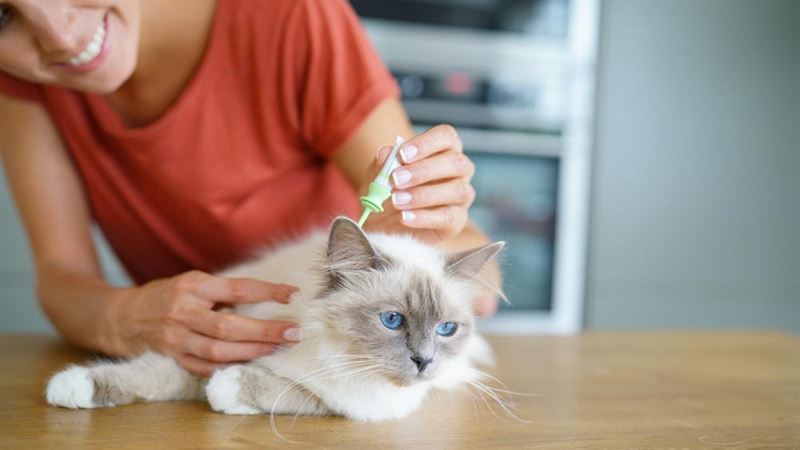
- Spot-On Treatments: These are liquid formulations applied directly to the skin, typically between the shoulder blades and along the back of your pet. They spread across the skin’s surface and provide protection for up to a month. Products like fipronil, selamectin, and permethrin are commonly used. These treatments not only kill adult fleas but often have activity against flea larvae and eggs, helping to reduce reinfestation.
- Flea Collars: Modern flea collars use slow-release insecticides such as imidacloprid or flumethrin to prevent fleas from establishing themselves on your pet. They are effective primarily against adult fleas in the collar’s immediate vicinity and can last several months. Proper fit and regular inspection are essential to ensure efficacy.
2. Oral Medications and Systemic Treatments
- Oral Flea Preventatives: Medications like nitenpyram, lufenuron, and spinosad are prescribed by vets and offer long-lasting protection. Some work quickly to eliminate existing fleas, while others prevent new infestations. Their systemic action means fleas must bite your pet to be affected, making them effective but requiring veterinarian oversight.
3. Flea Shampoos and Powders
- Flea Shampoos: Special shampoos kill fleas on contact and provide immediate relief. Regular bathing during active infestations can significantly reduce flea populations. However, their effects are short-lived, so they should be used alongside other treatments.
- Flea Powders: Applied topically, flea powders dehydrate and kill fleas on contact. They are easy to use but must be used carefully to avoid inhalation and skin irritation. Reapplication may be necessary based on severity and product instructions.
4. Environmental Controls and Home Pest Management
- Vacuuming: Frequent vacuuming of carpets, furniture, and bedding removes flea eggs, larvae, and adults. It's recommended to vacuum thoroughly every day during active infestations. Disposing of vacuum bags immediately prevents fleas from escaping back into your home.
- Laundering Bedding and Upholstery: Regularly washing pet bedding, cushions, and curtains in hot water eliminates fleas and their eggs.
- Environmental Insecticides and Foggers: Using specialized flea foggers or sprays designed for indoor use can eradicate fleas hiding in carpets, cracks, and furniture. Always follow manufacturer instructions and ensure pets are removed from the premises during treatment.
- Yard and Garden Treatments: Applying pet-safe insecticides and larvicides to outdoor areas reduces the chances of fleas migrating indoors. Keep grass trimmed and debris cleared to minimize flea habitats.
Flea control requires a coordinated effort involving your pet, home environment, and outdoor spaces. Consistency is key; combining treatments and seasonal prevention strategies will give you the best chance of keeping fleas at bay.
Regular grooming, such as brushing your pet’s fur and checking for fleas, along with timely application of treatments, can significantly reduce infestation risks. Consulting with a veterinarian ensures that you choose the safest and most effective options for your pet’s specific needs.
In conclusion, a comprehensive approach that includes topical, oral, environmental, and preventive measures is essential for effective flea eradication. Staying vigilant and proactive will help maintain a healthy, flea-free environment for your pets and family.