
Comprehensive Guide to Selecting the Perfect Stair Lift for Your Home
Selecting the perfect stair lift requires understanding your home's staircase design, safety features, budget, and user needs. This comprehensive guide covers various lift types, important features, safety considerations, and tips for choosing the best model. By investing time in research and consultation, you can find a reliable, safe, and comfortable stair lift that enhances independence and safety in your home. Proper installation and maintenance further ensure lifelong usability, making your mobility more accessible and secure for years to come.
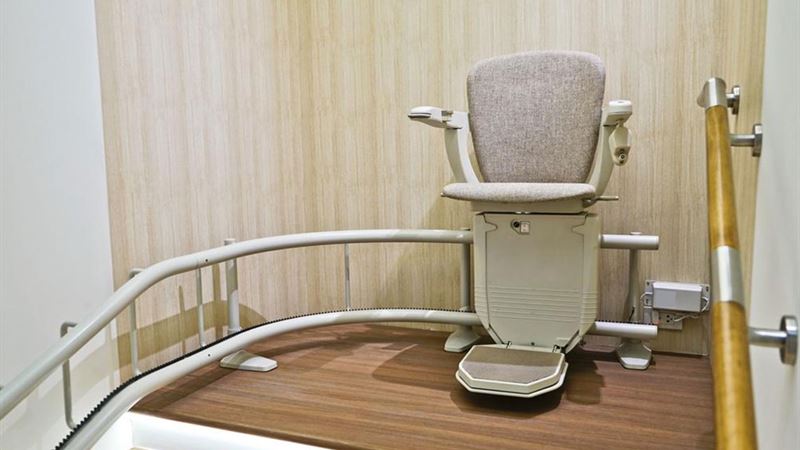
Understanding Your Staircase Layout and Needs
Types of Stair Lifts and Their Benefits
- Straight Stair Lifts
- Curved Stair Lifts
- Narrow or Standing Stair Lifts
- Mini or Portable Stair Lifts
Best suited for straight, uncomplicated staircases, these lifts are usually less expensive and easier to install. They operate on a straight track that runs along the staircase, providing a smooth ride for users.
Designed for staircases with bends, landings, or zigzags, curved lifts are custom-made to follow the exact path of your stairs. Although they tend to be more costly, they offer a comfortable and seamless experience for complex staircase layouts.
If your staircase is very narrow, a standing or perch lift can be an ideal solution. These lifts allow users to stand during transit, conserving space and fitting into tight areas. However, they are not suitable for individuals who cannot stand for extended periods or who have balance issues.
Portable lifts offer temporary solutions and are convenient for individuals who need mobility assistance only within specific areas of the home. These are typically lightweight, easy to install, and do not require extensive structural modifications.
Key Features to Consider When Choosing a Stair Lift
- Safety Features
- Seating Options
- Folding and Space-Saving Designs
- Power and Battery Backup
- Control Features
Ensure the stair lift includes seat belts, safety sensors that stop the lift if an obstacle is detected, and a secure braking system. Safety should always be a top priority to prevent accidents.
Swivel seats facilitate easier entry and exit, especially for seniors. A chair that rotates outward can significantly reduce the risk of falls. Additionally, check if the seat height and padding are comfortable for prolonged use.
If space near landings or doorways is limited, opt for lifts with fold-up seats and rails. This prevents obstruction and allows free movement when the lift is not in use.
Most lifts are powered by electricity, but a reliable battery backup ensures operation during power outages. This is especially critical if the staircase is frequently used or if mobility is essential for daily activities.
Look for user-friendly controls, including remote controls, no-slip buttons, and adjustable speed. Some models offer automatic charging stations for convenience.