
Understanding Stair Lifts: Enhancing Mobility and Accessibility
Discover how stair lifts can dramatically enhance mobility and independence for individuals facing stairs challenges. From customizable options for different staircase designs to safety benefits and versatile usage in homes and healthcare facilities, learn how these devices improve quality of life. This comprehensive guide covers the types, features, advantages, and installation tips to help you choose the best stair lift for your needs, ensuring safety, convenience, and accessibility for all ages and mobility levels.
Types and Customization
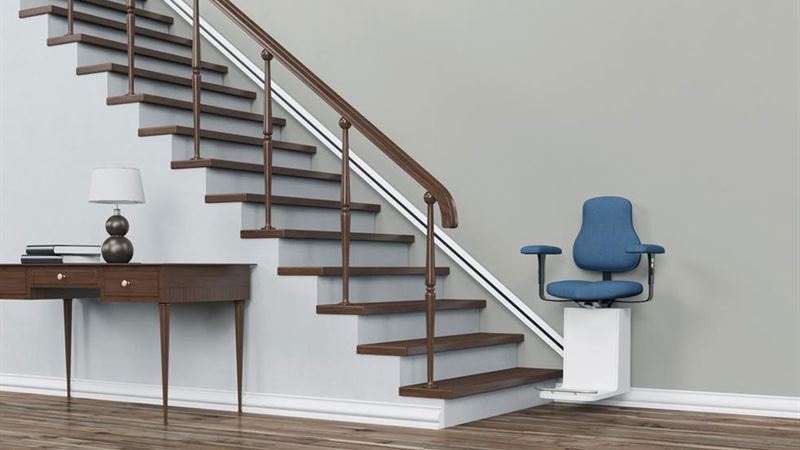
For standard, straight staircases, a simple chair design is usually sufficient, offering straightforward installation and operation. For homes and buildings with curved, spiral, or irregular staircases, custom curved stair lifts are available. These are precision-designed to match the unique contours of the staircase, ensuring a seamless and safe ride. The customization process involves measuring and fabricating the rail to fit the specific architecture of the staircase, making the device both functional and unobtrusive. Additionally, outdoor stair lifts are engineered to withstand the elements, featuring weather-resistant materials and robust mechanisms that operate reliably in various climatic conditions.
Platform lifts are specialized in transporting larger or heavier items, such as wheelchairs, mobility scooters, or even small carts. These are ideal for multi-level homes, warehouses, or facilities where individuals need assistance moving larger objects across different levels.
Wide Range of Usage
Stair lifts accommodate people of all ages and mobility levels, providing an accessible solution for those who find climbing stairs difficult or impossible. They are especially crucial for seniors, individuals recovering from surgeries, or people with impairments caused by chronic conditions or injuries. These devices enhance independence and safety, allowing individuals to maintain their routines and access all areas of their homes or facilities with ease.
Therefore, stair lifts are a versatile tool that extends beyond private residences. Many hospitals, clinics, and assisted living communities utilize stair lifts to facilitate easier access for elderly or disabled patients. For medical facilities with limited elevator access or multi-floor layouts, these lifts offer a practical alternative to ensure mobility for everyone.
Some companies provide temporary or short-term installations of stair lifts, which can be beneficial during recovery periods or for temporary mobility assistance. These portable or rental options make it feasible for individuals to regain independence without the need for permanent infrastructure modifications.
Advantages and Benefits
Implementing stair lifts offers numerous advantages that significantly improve quality of life. First and foremost, they empower individuals with mobility challenges to navigate stairs safely without requiring constant assistance. This independence fosters dignity and self-reliance, which are vital for mental and emotional well-being.
Moreover, stair lifts extend the usability of entire homes or buildings. Residents are no longer restricted to living only on the ground floor or avoiding upper levels altogether. They can fully access bedrooms, kitchens, terraces, and other desirable areas, making daily living more comfortable and enjoyable.
Design and installation are user-friendly, with many models offering intuitive controls like simple joystick or remote operation. Modern stair lifts are also aesthetically pleasing, available in various styles and finishes to complement home décor. Installation is typically quick, non-invasive, and can often be completed within a few hours, with minimal disruption to daily routines.
In conclusion, stair lifts represent a vital technological advancement in mobility solutions, seamlessly blending safety, comfort, and independence. Whether for home use, healthcare settings, or public accessibility improvements, these devices are transforming lives by making stairs an accessible passage rather than a barrier.