
Effective Strategies to Prevent Teeth Discoloration and Maintain a Bright Smile
Discover comprehensive strategies to prevent teeth discoloration, including dietary tips, hygiene practices, and professional treatments. Learn how quitting smoking and maintaining routine dental checkups can help keep your smile bright and healthy for years to come. Embrace a healthy lifestyle that supports long-lasting whitening results and boosts your confidence.
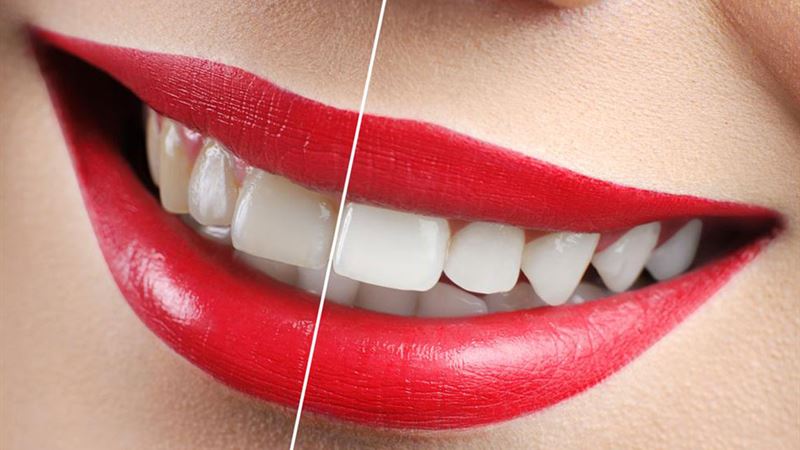
Maintaining a radiant, white smile requires more than just regular brushing; it involves adopting comprehensive oral care practices and lifestyle choices that protect your teeth from discoloration. Proper nutrition, good dental hygiene, and professional treatments all play vital roles in keeping your teeth aesthetically pleasing over time. While over-the-counter whitening products can temporarily improve your smile's brightness, a consistent and healthy routine ensures longer-lasting results. Understanding the primary causes of tooth staining and implementing preventative strategies can help you preserve your natural tooth color for years to come.
One of the most prominent factors contributing to yellowing teeth is the use of tobacco products. Smoking and chewing tobacco contain tar and nicotine, which cause stubborn stains that penetrate the enamel, leading to persistent discoloration. If left unaddressed, these stains can become permanent, necessitating extensive cosmetic treatments such as professional whitening or even veneers.
In addition to tobacco, dietary habits significantly influence tooth coloration. Consuming foods and beverages high in pigments, such as coffee, tea, red wine, berries, and certain spices, can stain the enamel over time. Additionally, sugary and acidic foods not only damage your teeth but also make them more susceptible to staining and decay. To prevent discoloration, consider moderating the intake of these items and opting for healthier alternatives like crispy vegetables, fruits, and water, which help maintain the natural whiteness of your teeth.
Oral hygiene practices are fundamental in preventing tooth staining. Rinsing your mouth with antibacterial mouthwash after meals, brushing with fluoride toothpaste twice daily, and flossing every day remove food particles and plaque that can cause staining and decay. Regular dental check-ups and professional cleanings are essential, as dentists can remove stubborn stains and tartar buildup that home care cannot address. Emphasizing superior oral hygiene creates a foundation for a brighter, healthier smile.
In the realm of cosmetic dental solutions, teeth whitening products have become popular. These range from whitening toothpaste and strips to advanced led whitening kits. While convenience and affordability make these options attractive, they may not always be suitable for everyone. For more significant discoloration, professional whitening treatments performed by dentists provide faster and more effective results. Dentists use stronger bleaching agents that penetrate deeper into the enamel, ensuring a noticeable improvement in tooth color. Consulting your dental professional can help determine the best approach tailored to your needs.
Another crucial aspect of maintaining white teeth is avoiding habits that accelerate staining. Excessive consumption of staining agents, poor oral hygiene, and neglecting routine dental visits can all contribute to discolored teeth. Adopting a comprehensive approach—combining healthy eating, proper oral hygiene, and professional guidance—is the most effective way to prevent yellowing and sustain a dazzling smile.
In summary, preserving the natural whiteness of your teeth involves a combination of lifestyle adjustments and conscious dental care. Drinking plenty of water, limiting staining foods, quitting smoking, and establishing a regular oral hygiene routine are practical steps anyone can follow. If discoloration persists or worsens, seeking professional dental advice ensures that you receive the most effective treatment options. Remember, a confident smile not only boosts your self-esteem but also contributes to overall oral health and well-being.