
Identifying Risk Factors for Receding Gums and Maintaining Optimal Oral Health
This comprehensive article explores the key risk factors contributing to receding gums, including lifestyle habits like smoking and teeth grinding, genetic predispositions, and poor oral hygiene. It emphasizes the importance of preventive care, proper brushing, regular dental visits, and healthy lifestyle choices in maintaining gum health. By understanding these factors, individuals can take proactive steps to protect their gums from recession, avoiding costly treatments and preserving their overall oral health for years to come.
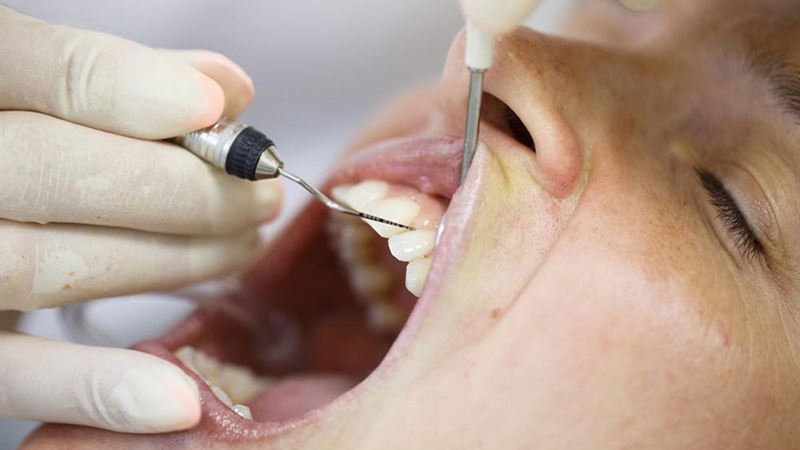
Gum recession is a common dental issue that can lead to tooth sensitivity, aesthetic concerns, and even tooth loss if not addressed promptly. Recognizing the factors that contribute to the development of receding gums is essential for prevention and effective management. Several lifestyle habits, genetic predispositions, and environmental influences play critical roles in whether an individual is at risk. Understanding these risk factors empowers individuals to take proactive steps in preserving their gum health and avoiding more invasive interventions in the future.
One of the most significant risk factors is tobacco use. Smokers should be particularly aware that their smoking habits not only affect overall health but also significantly increase the likelihood of gum recession. For those already experiencing gum recession, continued smoking can accelerate the process, making it harder to reverse the condition. Advanced gum recession may eventually necessitate surgical procedures, which can be costly and invasive. Prevention through smoking cessation is among the most effective measures to guard against gum deterioration.
Another prevalent cause of gum recession is habitual teeth grinding and clenching, medically known as bruxism. This condition applies excessive force to the gums and supporting bone structures, leading to tissue breakdown and recession over time. Individuals who frequently grind or clench their teeth are at heightened risk. Recognizing this behavior is crucial, and switching to protective measures such as wearing a nighttime mouthguard can help reduce the stress exerted on gums. Being conscious of this habit and actively working to break it can significantly slow or prevent gum recession.
Breaking the cycle of teeth grinding and clenching involves awareness and behavioral changes. Consulting with a dentist to get fitted for a custom mouthguard can significantly mitigate damage. Alongside behavioral adjustments, stress management techniques may also be beneficial, as stress often exacerbates bruxism. Early intervention is key to minimizing damage to the gums and underlying bone structures, ultimately preserving oral health.
Genetics also play an influential role in determining individual susceptibility to gum recession. Some individuals may inherit weaker periodontal tissues or predispositions to inflammation, both of which can lead to gum loss over time. While genetic factors cannot be changed, adopting diligent oral hygiene practices and lifestyle modifications can help offset genetic risks. Regular dental checkups enable early identification of problems, allowing for timely intervention before irreversible damage occurs.
In addition to behavioral and genetic factors, poor oral hygiene is a primary contributor to gum recession. Neglecting basic oral care routines can lead to the accumulation of plaque and tartar, which cause inflammation of the gums—gingivitis—that can progress to periodontitis, a more severe form of gum disease. Periodontitis leads to destruction of the supporting tissue and bone around the teeth, resulting in recession. Maintaining good oral hygiene is vital for prevention and includes practices such as brushing twice daily, flossing regularly, and rinsing after meals to remove food particles and bacteria.
Proper brushing technique is essential in protecting the gums from recession. Using a soft-bristled toothbrush and gentle circular motions prevents unnecessary trauma to the gum tissue. Brushing should last for at least two minutes and cover all surfaces of the teeth and gum line. Flossing helps eliminate plaque from between teeth where a toothbrush cannot reach. Additionally, rinsing with water after meals or snacks helps wash away acids and bacteria that could damage gum tissues.
Routine dental visits are fundamental in maintaining gum health. Regular checkups allow your dentist to monitor for early signs of gum disease or recession. Preventing gum recession is far more effective and less costly than attempting to treat advanced cases. Dentists can provide professional cleaning, scaling, and root planning to remove plaque buildup and address early periodontal issues. Early detection also ensures that potential issues are managed before they escalate into significant health concerns.
Furthermore, lifestyle choices such as maintaining a balanced diet rich in vitamins, avoiding excessive alcohol consumption, and limiting sugary foods contribute positively to overall oral health. Proper nutrition strengthens the immune system and supports the health of your gums and teeth. Avoiding habits that weaken your oral tissues, such as aggressive brushing or chewing on hard objects, also plays a role in preventing gum recession.
In summary, recognizing risk factors like smoking, teeth grinding, genetic predisposition, and poor oral hygiene is crucial for preventing gum recession. Implementing good dental practices and seeking regular professional care can dramatically reduce the likelihood of developing severe gum issues. By staying proactive and attentive to your oral health, you can enjoy healthier gums, brighter smile, and a better quality of life over the long term.