
Comprehensive Guide to Recognizing and Managing Type 1 Diabetes
This comprehensive article explores the intricate mechanisms behind type 1 diabetes, from its autoimmune origins to its progression and symptoms. It offers detailed insights into diagnosis, treatment modalities, insulin management, and lifestyle considerations essential for effective control. Learn how early detection and personalized management strategies can significantly improve quality of life for individuals living with this chronic condition, emphasizing the importance of a multidisciplinary approach to optimize outcomes and prevent complications.
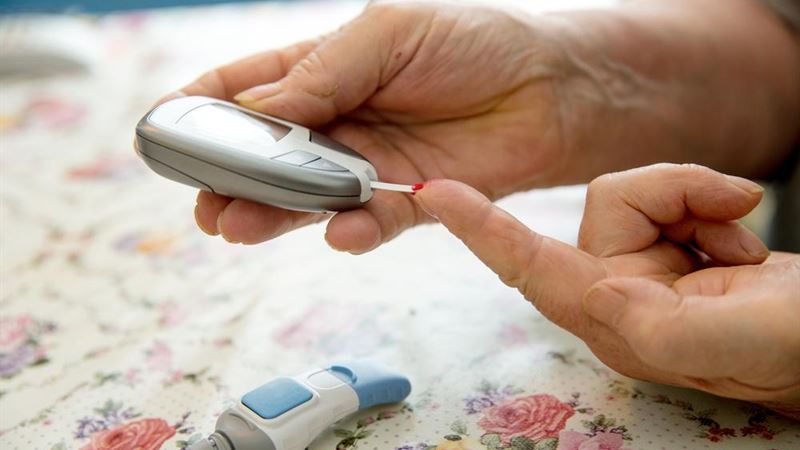
Pathophysiology and Causes of Type 1 Diabetes
The development of type 1 diabetes involves an autoimmune attack against insulin-producing beta cells within the pancreas. Genetic components, such as certain HLA haplotypes, increase susceptibility. Environmental factors, including viral infections, dietary triggers, or toxins, may initiate or accelerate the autoimmune process. The immune system mistakenly recognizes beta cells as foreign, leading to the production of autoantibodies like GAD, ICA, and IAA. As this autoimmune response progresses, the beta cells are gradually destroyed, diminishing insulin output. This cascade ultimately results in hyperglycemia and the clinical manifestations of diabetes.
Stages of Disease Progression
Before overt symptoms appear, individuals often experience a phase known as pre-diabetes or asymptomatic autoimmunity. During this stage, the pancreas compensates by increasing insulin secretion, trying to maintain normal blood glucose levels. Laboratory tests might reveal the presence of specific autoantibodies such as GAD (glutamic acid decarboxylase), ICA (islet cell antibodies), or IAA (insulin autoantibodies), indicating ongoing autoimmune activity. As destruction continues, a decline in insulin production occurs, leading to beta cell injury and decreased function.
Once more than 75% of beta cells are lost, the individual enters the clinical phase of overt diabetes, characterized by elevated blood glucose levels. At this point, the body's inability to produce enough insulin results in persistent hyperglycemia, necessitating medical intervention. Recognizing this progression emphasizes the importance of early detection and intervention to prevent or delay complications associated with long-term hyperglycemia.
Recognizing the Symptoms of Type 1 Diabetes
Symptoms of type 1 diabetes can vary based on aging, disease progression, and individual factors, but certain hallmark signs are consistently observed. Early detection is critical for prompt management and preventing serious complications.
- Frequent urination (polyuria): The kidneys attempt to eliminate excess glucose through urine, leading to increased urination, often including nocturnal episodes. Bedwetting in children can also signal hyperglycemia.
- Intense thirst (polydipsia): Fluid loss through frequent urination causes dehydration, prompting the individual to feel persistently thirsty.
- Unexplained weight loss: Since glucose isn’t effectively used for energy due to insulin deficiency, the body starts breaking down fat and muscle, resulting in weight reduction.
- Persistent hunger (polyphagia): The body's cells are unable to absorb glucose, triggering a sensation of hunger despite adequate or increased food intake.
- Blurred vision: Elevated blood sugar levels impair the lens’s ability to focus properly, leading to visual disturbances.
- Fatigue and drowsiness: Lack of glucose in cells diminishes energy levels, causing lethargy and tiredness.
- Nausea and vomiting: Severe hyperglycemia can lead to diabetic ketoacidosis, presenting with gastrointestinal symptoms.
- Recurrent infections: Skin, urinary tract, and vaginal infections are common due to immune dysfunction and high glucose levels providing a favorable environment for pathogens.
These symptoms often develop rapidly and require immediate medical evaluation. Recognizing the classic triad—polyuria, polydipsia, and polyphagia—is essential for early diagnosis.
Evidence and Diagnosis of Autoimmune Activity
Testing for specific autoantibodies such as GAD, ICA, and IAA helps confirm underlying autoimmune processes. Additionally, blood tests showing elevated blood glucose, HbA1c levels, and decreased C-peptide concentrations support the diagnosis. Early diagnosis enables timely initiation of treatment to control blood sugar and prevent complications.
Treatment Strategies for Type 1 Diabetes
The cornerstone of managing type 1 diabetes involves lifelong insulin therapy, complemented by ongoing monitoring, lifestyle modifications, and patient education. Individualized treatment plans enhance glycemic control and overall health outcomes.
Insulin Therapy
- Different forms of insulin are utilized based on onset and duration: rapid-acting, short-acting, intermediate-acting, and long-acting formulations.
- Most patients require basal-bolus regimens, where basal insulin maintains steady glucose levels, and bolus insulin covers post-meal elevations.
Designing an Insulin Regimen
Determining appropriate dosing involves calculating based on body weight and carbohydrate intake. For example, a patient weighing 60kg with a prescribed dose of 0.5 units per kg will need approximately 30 units daily. This dose can be split into basal and prandial components, typically 50/50, with adjustments based on blood sugar monitoring.
- Basal insulin: Half of the total daily dose, often administered as a long-acting injection, provides background insulin coverage.
- Bolus insulin: The remaining half divided into three portions, given before each meal to manage postprandial glucose spikes.
Administering Insulin Effectively
- Inject at a 90-degree angle into appropriate sites: abdomen, thighs, or arms, rotating sites regularly to prevent lipodystrophy.
- Count to 10 after injection before removing the needle to ensure proper delivery.
- Use consistent injection sites within each area to maintain predictable absorption rates, with the abdomen generally absorbing insulin more efficiently.
Proper Storage and Handling of Insulin
- Refrigerate unopened insulin vials or pens; once in use, insulin can be kept at room temperature for up to 1 month.
- Protect from extreme heat and direct sunlight.
Managing Insulin-Related Side Effects
- Hypoglycemia: Occurs if too much insulin is administered or if meals are delayed—requiring immediate glucose intake.
- Weight gain: Common with insulin therapy due to improved calorie utilization.
- Injection site reactions: Skin breakdown or lipohypertrophy can develop if sites are not rotated adequately.
Effective disease management also involves regular blood glucose monitoring, carbohydrate counting, and patient education to recognize and treat hypo- or hyperglycemia episodes promptly. A multidisciplinary team approach, including endocrinologists, diabetes educators, and dietitians, ensures comprehensive care.