
Comprehensive Guide to Understanding and Managing Chronic Bronchitis
This extensive guide explores chronic bronchitis, highlighting its causes, symptoms, and effective management strategies. Understanding risk factors like smoking and pollution, recognizing symptoms early, and adopting lifestyle changes such as quitting smoking, using humidifiers, and engaging in appropriate exercises can dramatically improve outcomes. Medical treatments including bronchodilators and anti-inflammatory drugs, along with environmental precautions, help alleviate symptoms and prevent progression. Early intervention and consistent management are vital for maintaining lung health and enhancing quality of life in affected individuals.
Understanding the Root Causes of Chronic Bronchitis
Chronic bronchitis is a persistent respiratory condition characterized by ongoing inflammation of the bronchial tubes, leading to excessive mucus production and breathing difficulties. Unveiling the primary factors that contribute to this disease is crucial for effective prevention and management. The most significant risk factor is cigarette smoking, which damages the lining of the bronchial tubes, leading to inflammation over time. Environmental exposure to air pollution, smog, industrial emissions, and airborne irritants such as solvents and chemical fumes also play a pivotal role in the development of chronic bronchitis. These pollutants cause chronic irritation and damage to the respiratory epithelium, which can result in long-term airway obstruction. In some cases, episodes of acute bronchitis caused by viral or bacterial infections can evolve into a chronic condition, especially if the infections recur frequently or are left untreated. Additionally, underlying health conditions and genetic predispositions can increase susceptibility. Diseases like asthma, cystic fibrosis, bronchiectasis, congestive heart failure, and immunodeficiency disorders often coexist with or predispose individuals to chronic bronchitis. Understanding these causes enables better risk assessment and encourages lifestyle changes to mitigate disease onset.
Recognizing the Signs and Symptoms of Chronic Bronchitis
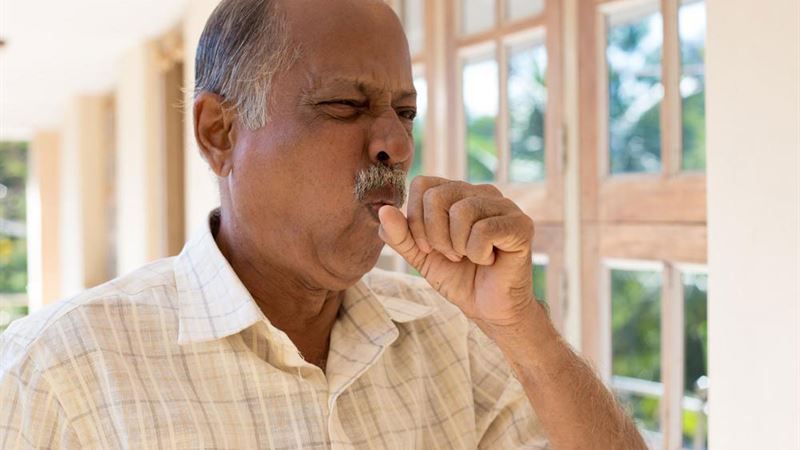
Diagnosing chronic bronchitis involves recognizing its hallmark signs. The primary symptom is a persistent, severe cough that produces mucus—a condition often referred to as a 'smoker’s cough' even in non-smokers. This cough may be accompanied by wheezing, shortness of breath, and chest tightness. Over time, the inflammation and mucus buildup narrow the airways, impairing airflow and making breathing laborious. As the disease progresses, affected individuals might notice a bluish tint to their lips and fingertips, signaling oxygen deficiency, a condition medically termed cyanosis. Fatigue, fever, chills, and general malaise can also occur, especially during exacerbations. Some people experience chest congestion or discomfort, and in advanced cases, swelling in the ankles and legs due to poor oxygen circulation. The symptoms tend to fluctuate, with periods of remission followed by flare-ups triggered by infections, environmental irritants, or physical exertion. Importantly, the severity of symptoms varies among individuals, influenced by the extent of lung damage and comorbidities. Recognizing these signs early can prompt timely intervention and improve quality of life.
Effective Strategies to Relieve and Control Symptoms
Managing chronic bronchitis relies heavily on lifestyle adjustments, medical treatment, and environmental management. Quitting smoking is the most essential step; it halts further damage to the bronchial tubes and enhances treatment efficacy. For individuals living in polluted settings or working in environments with airborne hazards, wearing protective masks reduces exposure to irritants. Using a humidifier adds moisture to the air, soothing irritated airways and easing mucus clearance. Maintaining proper hygiene and ensuring the humidifier remains clean prevents bacterial and fungal growth. Regular physical activity designed to strengthen respiratory muscles can substantially improve breathing efficiency. It is advisable to start slow, gradually increasing intensity under medical supervision, especially for those with compromised lung function. Consult a healthcare professional for personalized exercise recommendations tailored to your condition. Pharmacological interventions include bronchodilators and anti-inflammatory medications that open airways and reduce inflammation, respectively. These medications help decrease mucus secretions and ease breathing. Pulmonary rehabilitation programs may also provide education on breathing techniques, energy conservation, and nutritional support. Addressing exacerbating factors like infections with appropriate antibiotics, and receiving annual vaccinations, can prevent disease worsening. Long-term management aims to reduce symptom frequency and severity, prevent disease progression, and maintain daily activity levels.
In summary, a comprehensive approach involving lifestyle changes, medical therapy, and environmental modifications can significantly improve the quality of life for people with chronic bronchitis. Early recognition and proactive management are key to controlling this persistent respiratory disease.