
Comprehensive Guide to Motorcycle Maintenance for Enthusiasts
This comprehensive motorcycle maintenance guide offers detailed insights into tire care, chain adjustments, battery upkeep, cooling system management, oil and filter changes, and spark plug replacements. Following these essential tips will enhance your bike’s performance, safety, and longevity. Regular maintenance, proper inspections, and timely replacements are key to ensuring a smooth and reliable riding experience. Whether you're a novice or experienced rider, this guide provides valuable advice to keep your motorcycle in optimal condition all year round.
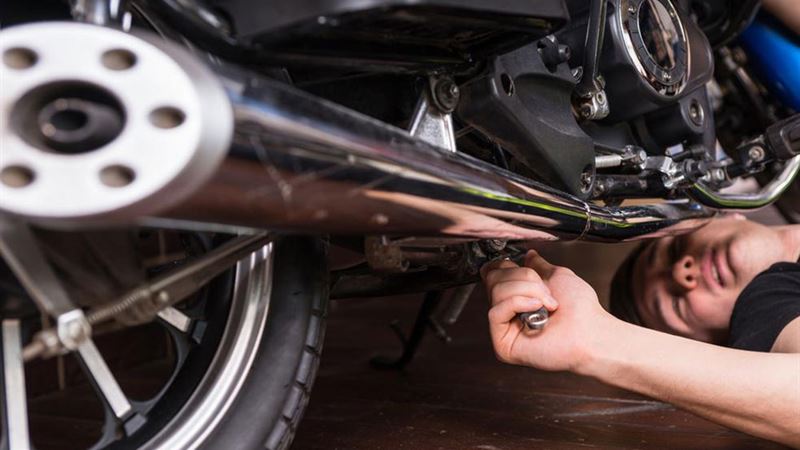
- Inspect and Maintain Tires Regularly:
Proper tire upkeep is fundamental to motorcycle safety and performance. Check tire pressure weekly, ensuring it aligns with the manufacturer's recommended levels. Under-inflated tires can lead to excessive wear, reduced grip, and increased risk of accidents, while over-inflated ones may cause a harsh ride and uneven tread wear. Additionally, monitor tire tread depth and look for any signs of cuts, punctures, or embedded debris. Rotate tires if applicable and consider replacing them when tread depth falls below safety standards. Properly maintained tires improve fuel efficiency, handling, and overall riding experience. - Adjusting Chain Tension and Lubrication:
The chain is a critical component that directly influences smooth gear shifts and overall bike performance. Excessively loose or tight chains can cause rough riding, increased wear on sprockets, or even chain failure. Regularly check chain tension according to your bike's manual, ensuring it maintains the recommended slack. Lubricate the chain weekly to prevent rust, reduce friction, and prolong its lifespan. Cleaning the chain with appropriate degreasers and reapplying lubricant ensures optimal function and reduces maintenance costs over time. - Battery Care and Maintenance:
The motorcycle’s battery, often located beneath the seat or fuel tank, is vital for starting and electrical system operation. If your bike struggles to start or fails to turn over, it could indicate a discharged or faulty battery. To correct this, disconnect the battery and inspect its electrolyte levels if it’s a conventional flooded type—adding de-ionized water as needed, then recharge with a compatible charger. Modern sealed batteries generally require replacement once they lose capacity. Regular inspections and cleaning terminal connections help prevent corrosion, ensuring reliable starting and electrical reliability.
- Cooling System Maintenance:
Proper coolant levels are essential to prevent overheating and maintain engine efficiency. Consult your owner’s manual to locate the coolant reservoir. When the engine is cold, remove the drain plug to empty the old coolant from the system. After ensuring the system is completely drained, refill with a mixture of anti-freeze and de-ionized water, filling it to the designated level marked on the translucent tank or radiator cap. Regular coolant replacement helps prevent corrosion, scaling, and overheating, especially in extreme weather conditions. Check hoses and connections for leaks and deterioration periodically. - Oil and Filter Replacement:
Changing your motorcycle’s oil and filter is crucial for maintaining engine health and optimal performance. Contaminated oil can cause increased friction, engine wear, and decreased efficiency. Warm up the engine before performing an oil change. Remove the drain plug, allowing old oil to fully drain into a container. Replace the oil filter with an appropriately rated part, then refill the engine with fresh, high-quality oil as specified in your manual. Regular oil changes extend engine life, improve fuel economy, and ensure smoother operation. Verify the oil level after filling and check for leaks. - Spark Plug Inspection and Replacement:
The spark plug plays a vital role in engine ignition. Regularly inspecting and replacing spark plugs based on mileage guidelines enhances engine performance, fuel efficiency, and smooth acceleration. Depending on your motorcycle model, this process can be quick or require more effort. Remove the spark plug using the proper tool, inspect for signs of wear, carbon deposits, or damage. Replace with the correct type, ensuring the gap matches manufacturer specifications. Proper spark plug maintenance ensures reliable ignition and avoids misfires, which can cause engine hesitation or poor fuel economy.
Routine motorcycle maintenance is essential for safety, longevity, and performance. Regular inspections, timely replacements, and following manufacturer guidelines will keep your bike running smoothly and ensure an enjoyable riding experience for years to come. Always consult your owner’s manual for specific maintenance schedules and specifications tailored to your motorcycle model.