
Comprehensive Guide to Saving Money on Your Car's Oil Change
Learn how to effectively save money on oil changes through DIY techniques, utilizing coupons, and leveraging dealership offers. Discover practical tips to keep your vehicle engine healthy while reducing maintenance costs with expert advice and promotional strategies.
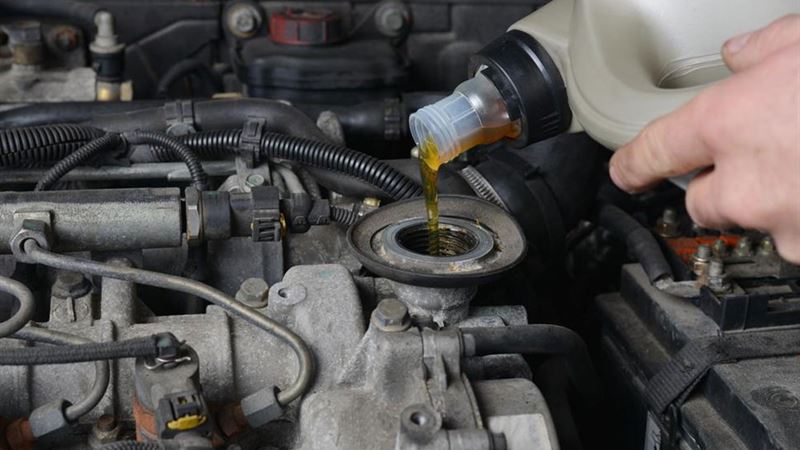
Modern vehicles are designed with fuel efficiency and longevity in mind, which influences how often you need an oil change. While older models might require oil replacements every 3,000 miles, newer cars often extend this interval to 5,000 or even 7,500 miles. To determine the optimal oil change schedule for your specific vehicle, consult your owner’s manual or manufacturer guidelines. Many factors, such as driving habits, climate conditions, and vehicle age, impact the ideal frequency. Relying solely on mileage can be misleading—it's essential to consider your driving conditions and adhere to manufacturer recommendations to keep your engine running smoothly and avoid unnecessary expenses. Knowing when and how to change your oil can save you a significant amount of money over time, and there are multiple ways to reduce costs without compromising your vehicle's health.
One of the most cost-effective options available is performing a DIY oil change. If you’re comfortable working with tools and have some mechanical knowledge, changing your vehicle’s oil at home can save you dozens of dollars compared to professional service. Before getting started, make sure you have all the necessary supplies: the correct type and amount of oil, an appropriate oil filter, a wrench, funnel, gloves, an oil drain pan, and safety equipment like jack stands. Double-check your owner’s manual to confirm the right specifications for your car. When ready, ensure you work on a level surface, securely lift your vehicle, and follow safety precautions. The process involves draining the old oil, replacing the filter, adding fresh oil, and checking for leaks. While it demands some effort and precision, DIY oil changes offer the satisfaction of maintaining your vehicle yourself and significant savings.
Another effective tactic to save money is to find and use coupons or discount codes for oil changes. Numerous oil and service brands, including Jiffy Lube, Pennzoil, and Valvoline, frequently offer promotional coupons online or through mailers. These coupons can reduce the service cost considerably, sometimes offering discounts of up to 50%. Signing up for the loyalty programs or mailing lists of your preferred service centers can ensure you receive periodic coupons and reminders when discounts are available. Additionally, many shops offer rewards points on services, which can be redeemed for future discounts, including oil changes. Always keep an eye out for promotional deals, especially during holiday sales or special events—these can make routine maintenance much more affordable.
Another money-saving strategy involves taking advantage of car dealership specials or promotional events. Car dealerships often run promotions such as free oil changes for test drive participants or discounts tied to vehicle service packages. Sometimes, they provide incentives like discounted or free oil changes when you purchase a new vehicle or bring your car in for specific services. Furthermore, dealerships sometimes organize seasonal campaigns that include complimentary inspections, discounted tire rotations, and oil changes bundled into promotional packages. These offers are typically advertised via mailers, email newsletters, or local advertisements, so stay alert to opportunities. Engaging with these promotions allows you to benefit from quality service at a fraction of the regular price and can help you maintain your vehicle more affordably.
Over time, understanding the nuances of oil maintenance, adopting DIY techniques, utilizing coupons, and leveraging dealership offers can collectively lead to substantial savings. Being proactive about your car’s upkeep not only extends its lifespan but also ensures you’re not overpaying for routine services. Staying informed about special promotions and learning how to perform basic maintenance tasks empower drivers to manage their vehicle expenses efficiently. Remember, regular oil changes are vital for engine health—they prevent costly repairs down the line. Hence, adopting a cost-conscious approach, combining DIY efforts with strategic shopping, allows you to keep your vehicle running smoothly without draining your wallet.