
Comprehensive Beginner’s Manual to Mastering Watercolor Art
This comprehensive guide offers beginner artists detailed techniques, creative ideas, and color psychology insights for watercolor painting. It emphasizes layering, texture creation, and experimentation with various methods to develop skills and produce vibrant, expressive artworks. Perfect for those eager to explore watercolor’s versatility and develop their artistic style, the article also covers preservation tips, thematic project ideas, and advice on choosing colors to evoke specific emotions, making it an invaluable resource for aspiring watercolor painters.
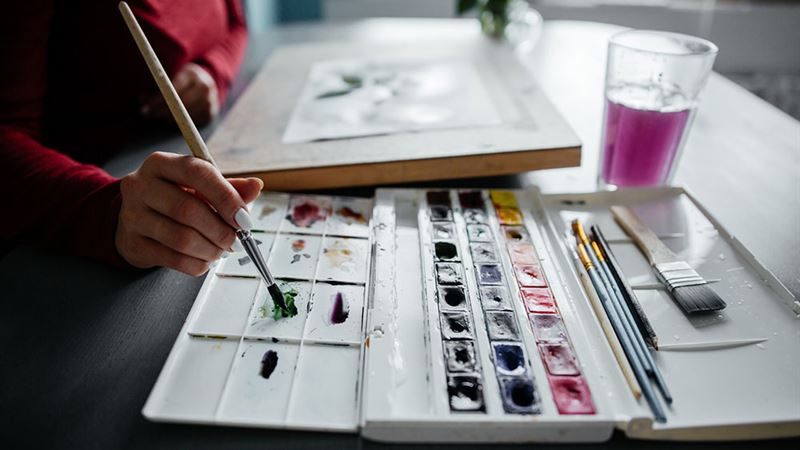
Start by preparing a palette with the essential colors needed for your project. Mixing different shades beforehand makes the painting process smoother and more enjoyable. Having a variety of hues ready allows for seamless blending and gradient effects throughout your artwork. Remember, understanding color theory enhances your ability to create harmonious compositions. Experiment with blending primary, secondary, and tertiary colors to discover unique shades that can add depth and richness to your paintings.
Commence your watercolor journey by applying light washes that establish the overall tone and mood of your piece. Use diluted paint to build soft, translucent backgrounds or base layers. Let each layer dry completely before proceeding to add new layers, ensuring clean transitions and avoiding unwanted bleeding. This step-by-step approach helps establish a solid foundation for your artwork and prevents overworking the paper. Practice patience and observe how light and color interplay in your initial sketches.
Gradually develop your painting by applying multiple layers, each adding richness and dimension. Start with transparent washes and progressively increase opacity for highlights and shadows. Dry each layer thoroughly before adding the next to prevent muddy colors or unintended mixing. This method enables you to achieve detailed textures and luminous effects, making your artwork more engaging. Mastering layering also allows for better control over color saturation and tonal contrast.
Utilize smaller brushes and dry brushing techniques to incorporate minute details and highlights. Pay attention to edges, textures, and subtle variations in color to bring your subject to life. This step involves precision and patience, helping to define focal points and intricate elements like facial features, foliage textures, or reflective surfaces. Highlighting specific areas enhances visual interest and detail, making your painting more realistic and captivating.
Take a step back to critically assess your completed work. Make necessary adjustments like enhancing shadows, refining edges, or adding contrast to improve overall composition. Sometimes, subtle touch-ups can elevate your painting from good to exceptional. Resting momentarily before finalizing allows you to observe your piece with fresh eyes, ensuring you capture the essence you aimed for when you began. This reflective process is vital for artistic growth.
Once your watercolor painting is dry, consider applying a fixative spray or framing it behind protective glass. These measures safeguard your work from dust, light, and environmental damage, extending its lifespan. Proper framing can also enhance presentation, making your artwork suitable for display or gifting. Additionally, storing your paintings flat in a portfolio or protective sleeves keeps them safe for future appreciation or sale. Preservation techniques are an essential part of the artistic process, especially for valuable or cherished pieces.
Essential Techniques to Elevate Watercolor Masterpieces
Explore these popular methods to refine your watercolor skills and achieve stunning effects:
- Wet-on-Wet Technique
Wetting the paper with clean water before applying pigment creates soft, flowing blends. This method is excellent for backgrounds, skies, or dreamy landscapes, allowing colors to merge seamlessly. The key is controlling water application and pigment density to avoid over-saturation. Practice varying the amount of water to produce different textures, from gentle washes to subtle color gradations. It’s a fundamental technique that teaches you to work intuitively with water and pigment. - Dry Brush Effect
Use minimal water on a stiff brush to create rough, textured strokes. This technique adds tactile detail and can simulate textures like bark, grass, or fabric. It’s ideal for accentuating specific areas with sharp, crisp lines or granular patterns. Experiment with pressure and brush stroke direction to achieve desired effects. Dry brushing introduces contrast and visual interest, making flat washes more dynamic.
- Building Layers
Apply transparent washes in succession to deepen shades and develop complexity within your composition. Start with light, delicate layers, then gradually increase color intensity and opacity. This gradual approach allows you to correct or adjust tones mid-process, giving greater control over the final result. The layering process also creates a luminous glow characteristic of watercolor paintings, making colors appear vibrant and alive. - Salt Texture Technique
While the paint remains wet, sprinkle salt onto the paper. As the paint dries, salt absorbs moisture and pigment, forming fascinating speckled textures. This natural process results in organic, granulated patterns that resemble natural surfaces like sand, snow, or stone. Experiment with different amounts of salt and types of salt to explore a variety of textures and effects in your artwork. - Splattering Technique
Flick or spray paint onto your paper to create spontaneous, energetic textures. Use a stiff brush or toothbrush for controlled splatters, or your finger for larger droplets. This effect adds movement and excitement, especially for depicting dynamic scenes like explosions, star fields, or foliage. Practice varying the size and density of splatters to achieve different visual rhythms within your composition. - Masking and Preserving White Spaces
Applying masking fluid allows you to protect certain areas of the paper from paint, keeping them pristine white. This technique is helpful when painting flowers, highlights, or intricate details that require crisp edges. Once you finish painting, simply peel off the masking fluid to reveal clean white spots, enhancing contrast and clarity. Proper application and removal of masking fluid are essential to avoid damaging the paper. - Collage Integration
Combine watercolor with cut-out images from newspapers, magazines, or textured papers. Layering these elements creates multidimensional artworks with increased depth and tactile variety. Use adhesive to secure the collage pieces, then paint over or around them to unify the composition. Collage techniques add personal flair and allow for experimentation with mixed media within watercolor paintings. - Negative Painting Technique
Focus on painting the background or the areas around the main subject, leaving the subject itself unpainted or lightly sketched. This approach emphasizes the negative space and can produce intricate, luminous effects. It’s particularly effective for rendering detailed foliage, transparent objects, or delicate patterns, as it fosters a deeper understanding of light, space, and composition. Mastering negative painting enhances your overall control and artistic sophistication.
Creative Ideas for Inspired Watercolor Projects
Whether you're just starting out or looking for fresh inspiration, consider exploring these themes and concepts:
- Natural Landscapes and Sceneries
Capture the serenity of forests, mountains, lakes, or beaches. Play with light, atmosphere, and seasonal changes to evoke mood and environment. Watercolors’ fluidity lends itself beautifully to depicting natural elements like flowing water, rustling leaves, and vibrant sunsets. - Portraiture and Human Expressions
Portray people in candid moments or stylized forms. Practice capturing facial features, gestures, and emotions, emphasizing subtle color variations and skin tones. Watercolor portraits can be soft and delicate or bold and expressive, depending on your approach. - Abstract and Symbolic Art
Use colors, shapes, and textures to communicate personal feelings or conceptual ideas. Abstract watercolor paintings allow complete freedom of expression, encouraging you to experiment with spontaneous brushwork and color combinations. Incorporate symbolic elements that hold personal significance to deepen your artwork's narrative. - Still Life Compositions
Arrange everyday objects like fruits, flowers, books, or vintage items to create meaningful scenes. Focus on composition, perspective, and light to produce realistic or stylized images. Still life stimulates your ability to observe details and play with color harmonization. - Wildlife and Animal Portraits
Celebrate nature by painting animals in their habitats or pets in intimate moments. Capture movement, fur textures, and expressive eyes through layered washes and textured strokes. Watercolors’ translucency complements the softness and grace of animals. - Cityscapes and Urban Life
Depict bustling streets, iconic architecture, and city lights. Use transparent washes to suggest atmosphere and depth, and experiment with perspective to create dynamic compositions. Urban scenes often involve a mix of controlled and loose painting styles, perfect for practicing versatility. - Underwater and Marine Life
Explore ocean depths with vibrant coral reefs, colorful fish, and underwater plants. Watercolors are especially suited for conveying the fluidity and translucency of water. Use layering and glazing techniques to add complexity and realism to these immersive scenes.
Remember, improvisation and experimentation are at the heart of watercolor art. Don't hesitate to try new techniques, blend colors, and explore different subjects to discover your unique artistic voice. The inherent unpredictability of watercolor will surprise you, often leading to unexpected and beautiful results. Happy creating!
Choosing the Right Colors to Convey Mood and Emotion
Understanding color psychology helps in selecting hues that evoke specific feelings and set the tone for your artwork. Each color has a profound impact on viewers’ perception and emotional response:
- Blue embodies calmness, tranquility, and stability, ideal for serene seascapes, sky scenes, or reflective water surfaces.
- Red signifies energy, passion, and warmth, capable of energizing compositions and expressing intense emotion.
- Yellow exudes happiness, optimism, and cheerfulness, bringing a sense of brightness and vitality to your work.
- Green represents growth, harmony, and renewal; it’s perfect for depicting lush foliage and natural environments.
- Purple adds a mystical, spiritual quality, often used to evoke a sense of mystery or fantasy.
- Orange combines enthusiasm and vibrancy, serving well in lively scenes and energetic compositions.