
The Essential Guide to Monitoring and Improving Your Credit Report
This comprehensive guide emphasizes the importance of regularly monitoring and managing your credit report. It explores how to review your credit scores, detect errors, and adopt responsible financial habits to enhance your creditworthiness. The article provides actionable steps for obtaining free credit reports, identifying inaccuracies, maintaining a budget, and improving your overall credit health, ensuring better loan terms and financial stability.
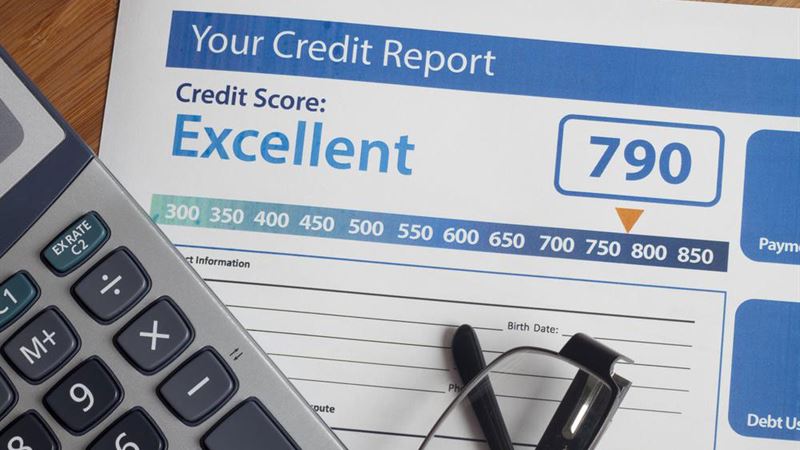
- Request Your Free Credit Report Annually
- Scrutinize for Errors and Fraud
- Establish and Maintain a Budget
- Keep Your Credit Utilization Low
- Pay Your Bills on Time
- Avoid Opening Too Many New Accounts Simultaneously
- Build and Maintain a Good Credit Mix
Your credit report provides an extensive overview of your financial history, including your credit score, payment records, types of accounts, credit utilization, and recent inquiries. According to federal law, you are entitled to receive a free copy of your credit report from each of the major credit bureaus—Equifax, Experian, and TransUnion—once every 12 months. Regularly reviewing your reports helps you stay vigilant about your financial health, spot discrepancies, and take corrective actions promptly.
Thoroughly examine your credit reports for any inaccuracies or suspicious activity, such as accounts you did not open, incorrect personal information, or unfamiliar inquiries. Errors can stem from data entry mistakes or malicious activities like identity theft. Federal regulations empower consumers to dispute inaccurate data and request corrections. Addressing inaccuracies promptly ensures your credit report reflects your true financial behavior, which directly influences your credit score.
Effective financial management begins with disciplined budgeting. Start by comparing your total monthly income against your expenses for the past several months. Identify unnecessary expenditures and areas where spending can be curtailed. Creating a budget not only helps you control your current expenses but also enables you to allocate funds toward paying down debts, saving for emergencies, and investing in your future. Additionally, keeping track of your credit report each year allows you to observe the impact of your financial habits and identify areas for improvement.
Credit utilization—the ratio of your credit card balances to your credit limits—is a significant factor in your credit score. Strive to keep this ratio below 30% to demonstrate responsible borrowing habits. Lower utilization indicates to lenders that you are not overextending yourself and are capable of managing credit effectively.
Timely payments are among the most influential factors affecting your credit score. Establish reminders or automate payments to ensure all bills are paid punctually. Late payments can significantly damage your credit history and reduce your score, making future borrowing more challenging and costly.
Applying for multiple credit accounts in a short period can signal financial distress to lenders and result in multiple hard inquiries, which may lower your score. Be strategic about new applications, and only open new accounts when truly necessary.
A diversified credit portfolio—such as a mix of credit cards, auto loans, or student loans—can positively influence your credit score. Demonstrating that you can handle different types of credit responsibly showcases your financial stability to lenders.