This comprehensive guide explains how to access your free credit report and score through government initiatives, online services, and financial institutions. Learn about trusted platforms, non-profit counseling, and direct requests from lenders to stay informed and improve your credit health effortlessly.
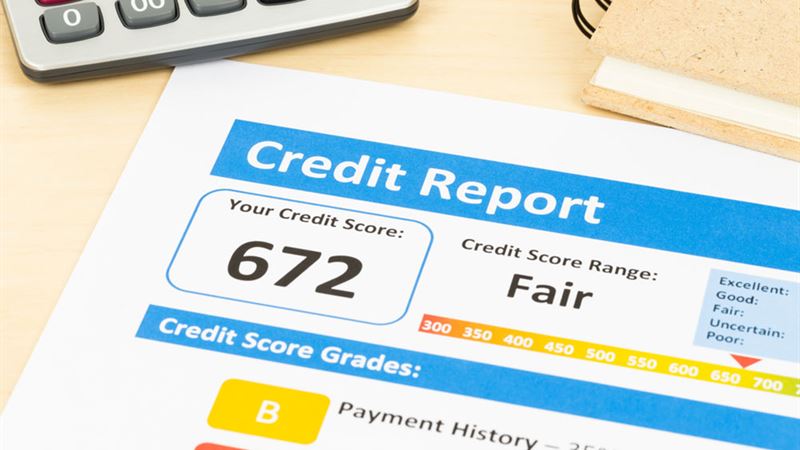
Understanding your credit score is an essential part of managing your financial health, whether you're planning to buy a home, secure a loan, or simply want to keep track of your financial stability. A credit score above 700 generally indicates good creditworthiness and can help you secure favorable interest rates and terms from lenders. Various factors influence this score, including your history of on-time payments, total outstanding debt, diversity of credit types, and the duration of your credit history.
Thankfully, obtaining your credit report and score has never been easier or more accessible, thanks to government initiatives and various online services. This guide explores official and reliable ways to access your free credit information, helping you stay informed and make smarter financial decisions.
Many consumers are unaware that they are entitled to view their credit scores and reports without any cost, thanks to legal protections and government programs. These free services provide an opportunity to monitor your financial health, identify errors, and take steps to improve your credit profile. Here are some trusted options for obtaining free credit information:
- Utilizing Certified Credit Score Services
One of the most popular and user-friendly platforms is FreeCreditScore, which offers individuals complimentary access to their FICO-standardized credit scores after simple registration. Importantly, this service does not require credit card details, offering a risk-free way to check your score. These platforms often generate revenue through advertisements or premium features, allowing users to access basic features at no cost. In addition to providing your credit score, they may monitor your credit report, analyze your credit trends over time, and suggest tailored strategies to boost your score.
- Financial Counseling and Non-Profit Organizations
Numerous non-profit credit counseling agencies operate across the country, providing free financial advice, credit reports, and scores. Certified counselors can be reached online or by phone, and they offer guidance on improving your credit health, managing debts, and understanding credit reports. Many of these services are verified by authorities like the Department of Housing and Urban Development (HUD) or the Office of the Attorney General. Engaging with these organizations can be an excellent way to obtain trustworthy advice and access your credit information at no charge.
- Direct Requests to Credit Card or Loan Providers
An even simpler method involves requesting your credit score directly from your existing creditors. Most credit card companies and auto loan lenders offer free monthly credit score updates as part of their online banking or statement services. Accessing your credit score through your bank or credit card provider is convenient, reliable, and often updated regularly, allowing you to keep track of your financial health without additional cost.
In conclusion, whether you prefer online platforms, professional counseling, or direct communication with financial institutions, there are numerous ways to access your credit scores and reports free of charge. Regular monitoring helps detect inaccuracies, spot identity theft early, and build a stronger credit profile—all crucial steps toward achieving your financial goals. Stay proactive about your financial health by making use of these free resources today.
