
Maximizing Benefits: The Ultimate Guide to Finding Quality Used Auto Parts at Junkyards
Discover how salvage yards and junkyards offer affordable, reliable used auto parts perfect for repairs and upgrades. Learn tips on navigating these resources, from online searches to local visits, and explore different types of salvage yards. Save money and support sustainable practices by recycling automotive components. This comprehensive guide covers everything from choosing the right yard to identifying quality parts, ensuring your vehicle maintenance remains budget-friendly and eco-conscious.
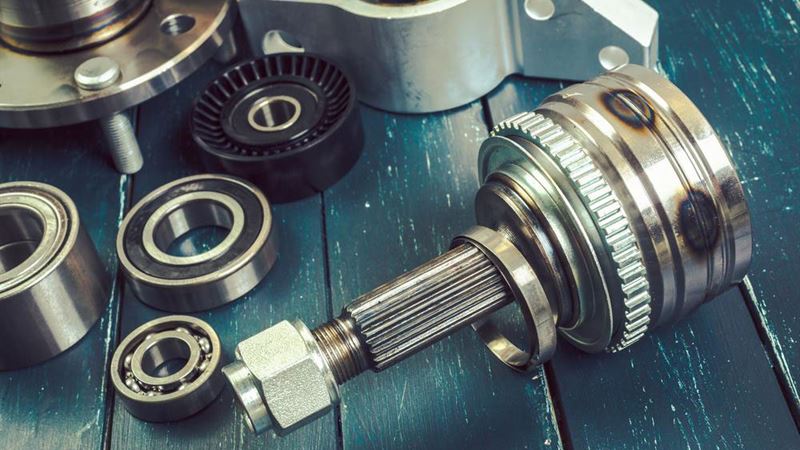
Recycling old vehicles not only helps the environment but can also be financially advantageous. If you're looking to repair or upgrade your car without breaking the bank, sourcing used auto parts from local junkyards and salvage yards presents a smart and cost-effective option. These yards are treasure troves for car enthusiasts, mechanics, and everyday drivers seeking affordable replacement parts. Moreover, recycling your junk vehicle can generate quick cash, making it a win-win situation for car owners looking to clear space or earn some money.
Used auto parts serve as an economical alternative to brand-new components, especially when budgets are tight. Instead of purchasing new parts from dealerships or online stores, visiting local salvage yards provides access to a wide range of vehicle parts at significantly lower prices. However, it's essential to understand how to navigate this process effectively to ensure you get the best deals and quality parts. By visiting junkyards near you, you not only save money but also support sustainable practices by recycling automotive components.
To start your search for reliable used auto parts, leverage online resources such as directories and search engines. Websites dedicated to auto salvage yards allow you to filter options based on car makes, models, and specific parts, streamlining your search process. Many of these platforms offer direct ordering and delivery options via courier services like FedEx or UPS, making it easier to obtain parts from the comfort of your home. Google Maps is also an invaluable tool for locating nearby salvage yards, providing customer reviews, operating hours, and contact details.
Before heading out, prepare a detailed list of the parts you need, including vehicle details such as make, model, and year. Opting to buy a complete assembly, such as an engine or transmission, might be more cost-effective and time-saving than purchasing individual components, since assemblies often come at a discounted rate compared to separate parts. Furthermore, visiting the yard with a clear plan helps ensure you maximize your time and budget.
When contacting salvage yards, inquire about their pricing, availability, and any additional fees that might be applicable. Some yards charge entry fees or fees for removing parts, so it's crucial to clarify these beforehand. Many auto salvage yards are privately owned businesses that thrive on providing quality parts at a fair price. Conversely, some yards are operated by government agencies, which might have different policies and pricing structures. Connecting with local contacts, such as friends or neighbors, can also reveal hidden gems—reliable salvage yards known for their honest practices, good inventory, and reasonable prices.
Locating the right junkyard depends on understanding the specific type of auto parts you require. Some salvage yards specialize exclusively in certain vehicle brands or models, such as European cars or Japanese imports. Others focus on specific components like electronic systems, engines, or body panels. This specialization can significantly influence your purchasing options and experience.
- DIY-style junkyards: These yards encourage customers to browse their inventory independently, sourcing, matching, and removing parts at their own pace. Staff members are often knowledgeable and can guide you through the process, helping you identify compatible parts and offering repair advice.
- Self-service salvage yards: Similar to DIY yards, these facilities allow customers to personally inspect and select parts before purchase. This hands-on approach ensures you can verify the quality and condition of each item, making it easier to find exactly what you need among numerous identical parts.
If local junkyards do not carry the specific parts you need, full-service salvage yards are available to assist. These yards typically offer a wider inventory and can help you order parts that are not immediately on hand. Providing them with detailed descriptions and vehicle information increases the chances of securing the exact components you require. Many of these yards also offer guarantees or warranties on parts, adding a layer of security to your purchase.
Purchasing from salvage yards not only saves money but also aligns with sustainable automotive practices by recycling valuable materials. It helps reduce waste and the demand for new manufacturing, contributing positively to environmental conservation efforts. Whether you’re a professional mechanic, a car enthusiast, or a budget-conscious driver, understanding how to effectively work with junkyards unlocks a wealth of affordable and reliable parts—making vehicle maintenance and customization more accessible than ever before.