
Essential Reasons Why Effective Mosquito Control Is Vital for Your Health and Safety
Discover the importance of proactive mosquito control in safeguarding your health and community. This comprehensive guide details disease risks, prevention strategies, and the benefits of professional pest management. Learn how eliminating breeding sites, personal protection, and community efforts work together to create a safer environment and prevent deadly mosquito-borne illnesses. Stay informed and take action today to protect yourself, your pets, and your loved ones from the health hazards posed by mosquitoes. A healthier, safer future begins with effective mosquito management.
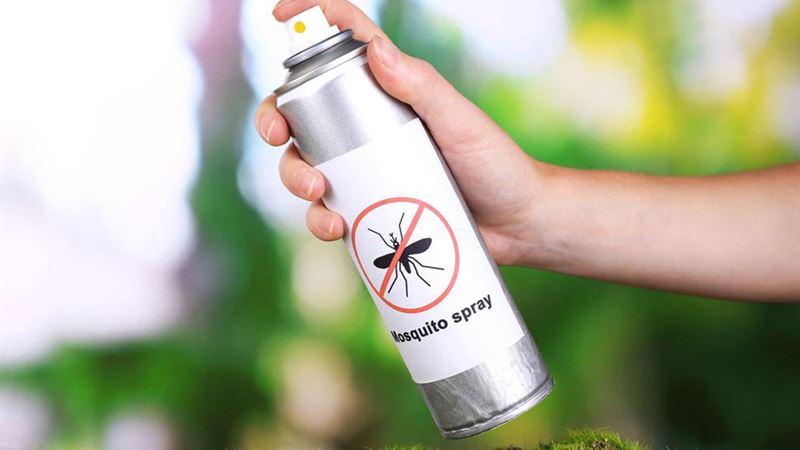
In today’s world, mosquito control has become more than just an environmental concern; it’s a crucial aspect of safeguarding personal health, protecting your loved ones, and maintaining community well-being. Mosquitoes are notorious vectors for numerous serious diseases, which can cause widespread health crises and threaten lives if not addressed proactively. Understanding the importance of comprehensive mosquito management strategies is vital for preventing disease transmission and ensuring a safe environment for everyone.
Effective mosquito control measures are essential not only for preventing the spread of dangerous illnesses but also for reducing discomfort and avoiding economic burdens caused by mosquito infestations. This article explores why proactive mosquito management is indispensable, highlights the key health risks associated with mosquito bites, and provides practical strategies to minimize these risks, including environmental management, personal protection, and professional pest control services. Detailed insights into mosquito-borne diseases emphasize the critical need for sustained efforts in mosquito prevention to maintain a healthy, safe living environment.
Mosquitoes are responsible for transmitting a wide array of infectious diseases, some of which can have devastating health consequences. Diseases such as dengue fever, chikungunya, Zika virus, yellow fever, and malaria have become significant public health concerns across many regions worldwide. These conditions are transmitted through bites from infected female mosquitoes, primarily Aedes and Anopheles species, which breed in stagnant water and flourish in various environments. The presence of these pests can lead to significant outbreaks, placing individuals and communities at severe health, social, and economic risks.
One of the most alarming aspects of mosquito-borne diseases is their rapid spread, often exacerbated by urbanization, climate change, and increased travel. For instance, dengue fever, caused by the dengue virus, has seen a surge in cases globally, particularly in tropical and subtropical regions. Symptoms range from high fever and severe headaches to debilitating joint pain and, in severe cases, hemorrhagic shock or organ failure. Similarly, yellow fever, although less common, remains a serious threat in endemic zones, with vaccination being the primary preventive measure. Chikungunya, characterized by severe joint pain, can incapacitate individuals for weeks, underscoring the importance of mosquito control to prevent these illnesses.
Beyond the health implications for humans, mosquitoes also pose a threat to pets and livestock. Heartworm disease, caused by the parasite Dirofilaria immitis, is a potentially fatal condition affecting dogs, cats, and other animals. These parasites are transmitted via mosquito bites, leading to severe complications such as lung and heart damage in infected animals. Pet owners must prioritize mosquito prevention to safeguard their animals' health by eliminating breeding sites and employing veterinarian-recommended preventive medications.
To combat the proliferation of mosquitoes and mitigate health risks, environmental management is key. Eliminating standing water where mosquitoes lay their eggs is a fundamental step. This includes regularly emptying, covering, or treating containers, tires, gutters, flower pots, and any other items that can hold stagnant water. Maintaining proper drainage and ensuring outdoor areas are kept clean and dry significantly reduces breeding grounds. Additionally, outdoor trash should be securely covered, and any discarded items that collect water must be disposed of appropriately.
Personal protection measures play a vital role in reducing mosquito bites. Wearing long-sleeved clothing, using EPA-approved insect repellents containing DEET, picaridin, or IR3535, and installing physical barriers such as window screens and mosquito nets are proven strategies to lower exposure. These methods are especially critical during peak mosquito activity times, which often occur at dawn and dusk. Using fans outdoors can also deter mosquitoes, as they are weak fliers.
Community-wide efforts are essential for sustainable prevention. Public health campaigns should promote awareness of mosquito breeding habits and encourage neighborhood participation in cleanup drives. Local authorities need to enforce regulations that restrict stagnant water accumulation and support mosquito control programs, including fogging and larviciding. Investing in community education and infrastructure improvements fosters a healthier environment and minimizes mosquito populations effectively.
In cases where mosquito populations surge despite preventive measures, engaging professional pest control services is a highly effective approach. Trained pest management professionals utilize targeted treatments, including larvicides and adulticides, to eliminate breeding sites and reduce adult mosquito populations swiftly. Regular inspections and treatments can prevent outbreaks and protect public health. Professional interventions are especially necessary in areas with high mosquito densities, during disease outbreaks, or when DIY measures prove insufficient.
Maintaining a clean, dry, and well-monitored environment is fundamental to controlling mosquito proliferation. Regularly inspecting your property, eliminating standing water, using protective barriers, and seeking professional pest management support form a comprehensive approach to mosquito control. Remember, proactive prevention is always better than reactive treatment when it comes to mosquito-borne diseases. Ensuring your home and community are protected not only keeps you safe but also contributes to the overall health and quality of life.
In conclusion, mosquito control is an essential community and individual responsibility that safeguards public health and enhances quality of life. Recognizing the risks posed by mosquitoes and implementing integrated management strategies can significantly reduce disease transmission and prevent outbreaks. Stay vigilant, practice environmental sanitation, adopt personal protection measures, and collaborate with pest control experts to create a mosquito-free environment. Your proactive efforts today can prevent health crises tomorrow—making mosquito control not just an act of health preservation but also a vital step toward a safer, healthier world for everyone.