
Effective Strategies for Comprehensive Mosquito Management
Effective mosquito control hinges on removing breeding sites, using repellents, physical barriers, and community cooperation. Regular inspections and environmental hygiene disrupt mosquito life cycles, preventing bites and disease transmission. Protect your loved ones with proven strategies for a healthier, mosquito-free environment.
Controlling mosquito populations around your home requires proactive measures to eliminate breeding sites and implementing protective strategies. Mosquitoes breed in stagnant and stagnant water sources, which are common in various household and outdoor settings. To effectively manage and prevent mosquito infestations, it is essential to conduct regular inspections around your property, identify potential breeding habitats, and eliminate them promptly. Common breeding sites include clogged drains, uncovered water containers, bird baths, old tires, unused pools, and any areas where water collects and remains stagnant. Keeping your environment dry and clean is the first line of defense against mosquitoes.
Beyond eliminating breeding grounds, it is crucial to incorporate proactive prevention measures. Using effective mosquito repellents and insecticides can significantly reduce the adult mosquito population. Applying these repellents around your home, especially in areas prone to water accumulation, helps to keep mosquitoes at bay. Regular application—weekly or monthly—ensures ongoing protection, particularly during peak mosquito seasons. Consider using environmentally friendly and EPA-approved repellents and insecticides for safety and effectiveness.
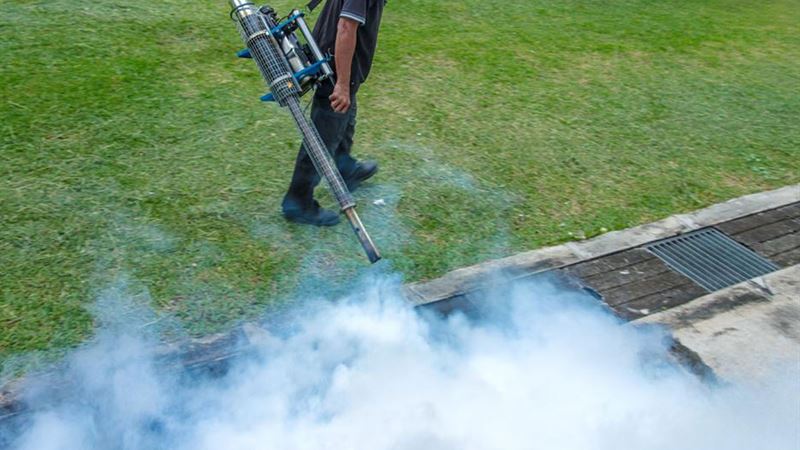
Another vital aspect of mosquito control is utilizing physical barriers such as window and door screens to prevent mosquitoes from entering indoor spaces. Installing fine mesh screens can effectively block adult mosquitoes from infiltrating your home, reducing the risk of bites and disease transmission. Additionally, mosquito nets over beds and cribs provide extra protection, especially during the night. For outdoor spaces, consider using mosquito traps, fogging, and natural deterrents like citronella candles to keep mosquitoes away during outdoor activities.
Awareness and community effort are also critical. Encourage neighbors to eliminate standing water and take collective action to reduce mosquito breeding sites in the neighborhood. Community clean-up drives, proper waste disposal, and periodic draining of stagnant water bodies can greatly decrease the overall mosquito population and prevent outbreaks of mosquito-borne diseases such as dengue, Zika, West Nile virus, and chikungunya.
It is particularly important to take extra care when you have infants, children, or vulnerable individuals at home. Protecting their environment involves thorough inspection and removal of any potential breeding sites within their reach. Wearing protective clothing, applying child-safe repellents, and ensuring their sleeping areas are mosquito-proofed are effective strategies to safeguard their health.
In addition to personal and household measures, public health initiatives and government campaigns can significantly boost mosquito control efforts. These programs often include larviciding, fogging, public education, and subsidies for mosquito-proofing tools. Participating in or supporting these initiatives can create a healthier environment for your community.
In conclusion, an integrated approach combining source reduction, preventive measures, personal protection, and community involvement is vital for effective mosquito management. By staying vigilant, regularly inspecting your surroundings, and implementing consistent control measures, you can protect your family and community from the health risks associated with mosquito-borne diseases.