
A Comprehensive Guide to Whole Grains and Their Role as High-Fiber Superfoods
Discover the benefits of incorporating a variety of high-fiber whole grains into your daily diet. This comprehensive guide explores different grains like bulgur, whole wheat pasta, Kamut, Spelt, barley, brown rice, and quinoa, detailing their nutritional values, versatile uses, and health benefits. Learn how adding these nutrient-dense foods can promote digestion, support weight management, and lower the risk of chronic illnesses. Perfect for those seeking a healthier lifestyle, this article provides practical tips to include more whole grains in your meals, catering to all age groups for optimal wellness.
Among the many types of whole grains, bulgur stands out as an incredibly versatile ingredient. It can be used in a multitude of dishes, ranging from hearty soups and savory salads to baked goods and even as a side dish. For example, bulgur is often added to soups to boost their fiber content and provide a nutty flavor. It can also be cooked with vegetables, meats, or seafood, offering a delicious and nutritious base for various recipes. Furthermore, bulgur can be incorporated into breakfast dishes by mixing it with milk and fruit, turning it into a wholesome meal to start your day.
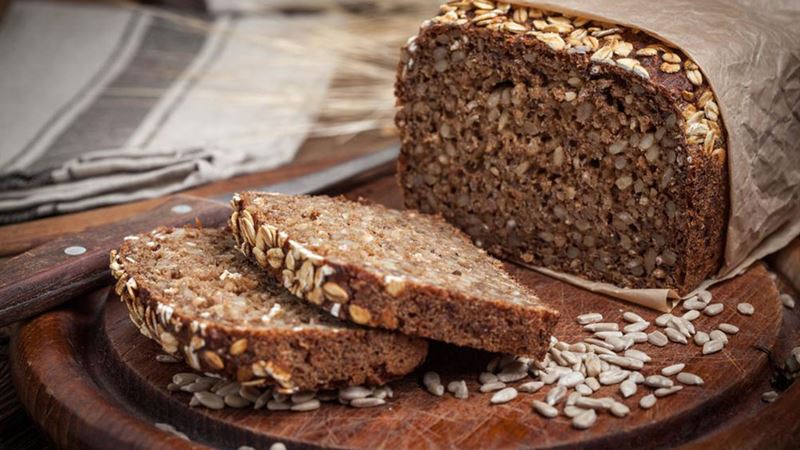
Whole wheat pasta is a popular alternative to refined pasta, offering approximately 4.5 grams of fiber per 100 grams. It pairs well with an array of vegetables, herbs, and proteins, making it an excellent addition to balanced meals. Whole wheat and multigrain breads are made from minimally processed grains, ensuring they retain their fiber and nutrient profile. Multigrain bread, in particular, combines two or more types of grains, enhancing flavor and nutritional diversity. Some of these breads also contain added seeds, such as flax seeds, pumpkin seeds, sunflower seeds, and quinoa, which further increase fiber content and provide beneficial omega-3 fatty acids, antioxidants, and other phytonutrients.
Beyond breads and pasta, other whole grains like Kamut and Spelt offer substantial health advantages. Kamut, also known as Khorasan wheat, is a tetraploid wheat species that provides about 3.9 grams of fiber per 100 grams when cooked. Its rich nutty flavor and chewy texture make it suitable for salads, grain bowls, and pilafs. Spelt, another ancient wheat variety, is often ground into flour for baking purposes. It provides approximately 3.9 grams of fiber per 100 grams and is appreciated for its mild, nutty taste, which enhances bread, muffins, and other baked goods.
Barley is another high-fiber grain often used in soups, stews, and bread baking. Cooked barley contains approximately 3.8 grams of fiber per 100 grams and is valued for its chewy texture and ability to absorb flavors from other ingredients, making it ideal for hearty dishes. Additionally, brown rice and wild rice are nutrient-dense options, offering higher mineral content compared to their refined counterparts. These grains can be served alongside a diverse array of vegetables, meats, eggs, or fish, providing wholesome and filling meals.
Oatmeal and quinoa flour are also essential components of a high-fiber diet. Oatmeal is rich in soluble fiber, which supports healthy cholesterol levels and blood sugar regulation. Quinoa flour, derived from the ancient grain quinoa, is a gluten-free alternative rich in dietary fiber, protein, vitamins, and minerals. Many other whole grains are available worldwide, each contributing uniquely to a healthy diet by providing ample fiber, antioxidants, and essential nutrients.
Health experts recommend that individuals over 50 years of age should adjust their fiber intake accordingly. For adults under 50, men require about 38 grams of fiber daily, while women need approximately 25 grams. Beyond age 50, the recommended intake decreases slightly: men should aim for 30 grams daily, and women for about 21 grams. Including a variety of high-fiber whole grains in daily meals is a practical way to meet these nutritional goals, support digestive health, and reduce the risk of chronic ailments.
Incorporating these nutrient-rich, high-fiber whole grains into your diet can lead to lasting health benefits. From improving digestion to aiding weight control and lowering disease risk, their versatile nature allows for endless culinary possibilities, making them a key element in a balanced diet. The importance of consuming diverse whole grains cannot be overstated, and with so many options available, achieving optimal health through a diet rich in fiber has never been easier.