
Effective Natural Remedies: Using White Vinegar to Repel and Eliminate Ants
Discover how white vinegar can be an effective, natural method for controlling and preventing ants in your home. From DIY sprays to sealing entry points, learn practical tips to keep ants away and ensure a pest-free environment sustainably and affordably.
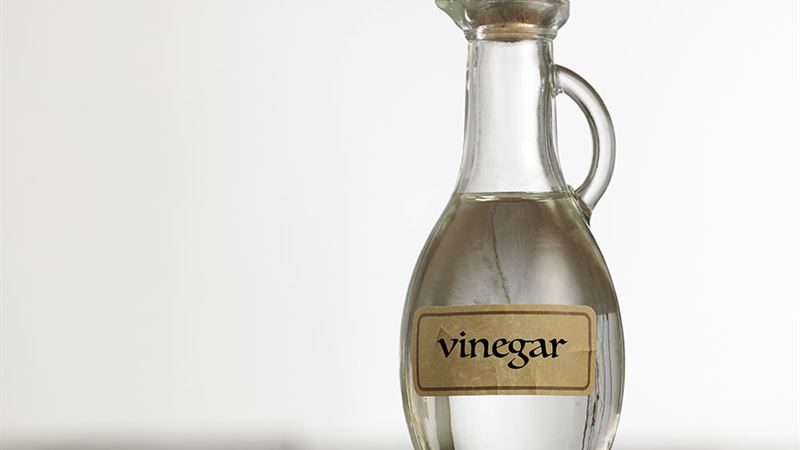
Ant infestations are among the most common household nuisances, often caused by scout ants leaving behind chemical trails that guide other ants to food sources. These trails enable the colony to locate resources efficiently, but they also facilitate widespread infestations inside homes and yards. One natural and cost-effective method to disrupt these trails involves using white vinegar. Its strong scent interferes with the ants' ability to follow scent markings, effectively reducing their movement toward your food supplies. Nevertheless, while vinegar can serve as a helpful deterrent, it is not a standalone solution—comprehensive pest management involves sanitation, sealing entry points, and consistent preventative measures.
It's important to note that white vinegar is primarily effective as a repellent. Unlike apple cider vinegar, which contains residual sugars and sweet aromas that may attract ants, white vinegar's pungent smell acts as a natural barrier. Additionally, vinegar applications can extend to deterring other pests such as mice, spiders, raccoons, squirrels, and centipedes. However, relying solely on vinegar won't permanently eliminate an ant problem. Integrating good hygiene practices, sealing cracks and entry points, and maintaining a clean environment are essential for long-term control.
How to Use White Vinegar Effectively Against Ants
The primary kitchen staple, white vinegar, is affordable and easily accessible to most households. Here are proven methods to utilize white vinegar for ant control and prevention:
- DIY Vinegar Spray
Creating a homemade vinegar spray is straightforward. Mix equal parts of white vinegar and clean water in a spray bottle, preferably made of glass to prevent residual chemical interactions. Shake well before each use. This solution is highly versatile and can be used indoors and outdoors.
- Steps:
Identify areas most attractive to ants, including kitchen counters, baseboards, damp areas like bathrooms, and points leading outside such as doorways or window sills. When you notice an ant trail, spray the vinegar mixture along the trail and wipe to disrupt it. If the trail isn't clearly visible, target the places where ants were last spotted. Regular application can help reduce their presence over time.
In the garden or around plants, vinegar spray can help curb ant activity and protect plant health, especially in areas prone to infestations. Use caution, though, by avoiding spraying directly onto edible parts; focus on stems and leaves only. Most plants tolerate mild vinegar applications, but it’s advisable to test a small area first.
- Cotton Balls Soaked in Vinegar
For persistent entry points, place soaked cotton balls at suspected access points such as cracks, holes, or crevices. Submerge cotton balls in a solution of white vinegar and water, then position them strategically. These balls act as a physical barrier while releasing a scent that repels ants. Replace them weekly to maintain effectiveness. This method is especially useful around doors, windows, and foundation cracks.
Similarly, if you have plantings or garden beds nearby, placing vinegar-soaked cotton balls can deter ants from nesting or foraging around sensitive areas, provided the acidity does not harm the plants.
Long-term Effectiveness and Limitations
While vinegar provides a natural and non-toxic approach to deterring ants, it is primarily a temporary measure. Its effectiveness depends on the continued presence of its strong smell, which can dissipate over time, necessitating frequent reapplication. Moreover, the inconvenience of daily to weekly maintenance makes it less ideal for long-term pest eradication. If your environment offers abundant food, water, and shelter, ants may persist despite regular vinegar treatments.
Additionally, some scented household items or foods—such as candies, sweet beverages, or greasy foods—can attract ants, counteracting vinegar's repellent effects. Strong fragrances like perfumes, certain detergents, and fruit-scented products may also draw pests into your home.
Prevention is key—seal all cracks and entry points, eliminate standing water, and practice diligent sanitation. Regularly clean spills, store food in airtight containers, and keep trash bins covered and emptied frequently. Trim back shrubs and trees that touch the house to prevent easy access for foraging ants. Using bait traps in conjunction with vinegar treatments can further enhance pest control efforts.
In summary, white vinegar is an affordable, eco-friendly tool for managing ant problems but should be part of a comprehensive pest management plan. Consistency in application, along with good sanitation and sealing practices, will give you the best chance to keep ants at bay over the long term.