
Effective Homemade Solutions to Eliminate Bed Bugs Naturally
Discover safe and effective homemade remedies for eliminating bed bugs naturally. This guide covers various DIY solutions including steam treatment, natural oils, diatomaceous earth, and vinegar, along with myths to avoid. Learn how to protect your home from these resilient pests using non-toxic, cost-effective methods. Perfect for homeowners seeking natural pest control options, ensuring a pest-free sleeping environment while safeguarding health and safety.
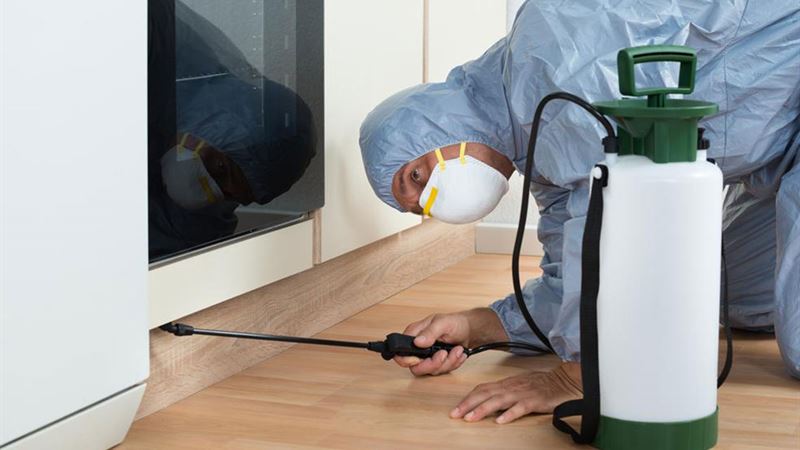
Dealing with bed bugs can be a challenging task, and while chemical sprays are often employed by pest control professionals, many homeowners prefer more natural and safer alternatives. Using chemical treatments without proper knowledge can sometimes lead to ineffective results or potential health hazards. Fortunately, there are several homemade remedies that are not only effective but also safe for your family and pets. These DIY bed bug eradication methods rely on natural ingredients and simple tools, making them accessible and environmentally friendly options for your pest management arsenal. This comprehensive guide explores various homemade bed bug sprays and techniques to help you achieve a bug-free home.
Bed bugs are resilient pests known for their resilience and ability to hide in tiny crevices. Eradicating them requires targeted approaches that reach their nests and kill them at different life stages. While professional extermination is highly effective, many homeowners seek do-it-yourself solutions that are cost-efficient and safe. Below are some of the most proven homemade remedies designed to eliminate bed bugs safely and effectively. These methods utilize common household items, natural oils, and simple equipment, offering a practical alternative to chemical pesticides.
Utilizing Hot Steam for Bed Bug Control
One of the most effective natural methods for killing bed bugs is the use of high-temperature steam. Bed bugs cannot survive in extreme heat, making steam a powerful tool for pest control. Using a steam cleaner or a high-temperature hair dryer can help eradicate these pests by penetrating deep into mattresses, furniture, and cracks where bed bugs typically hide. The key is to apply the steam directly onto infested areas for a sustained period, usually around 30 seconds to a minute per spot, ensuring the heat penetrates through bedding, seams, and upholstery. Consistent steaming over a few days can significantly reduce bed bug populations.
One of the most effective natural methods for killing bed bugs is the use of high-temperature steam. Bed bugs cannot survive in extreme heat, making steam a powerful tool for pest control. Using a steam cleaner or a high-temperature hair dryer can help eradicate these pests by penetrating deep into mattresses, furniture, and cracks where bed bugs typically hide. The key is to apply the steam directly onto infested areas for a sustained period, usually around 30 seconds to a minute per spot, ensuring the heat penetrates through bedding, seams, and upholstery. Consistent steaming over a few days can significantly reduce bed bug populations.
Hot Water and Heat Treatments
Besides steam, washing bedding, linens, and clothing in hot water (at least 130°F) is vital to kill bed bugs and their eggs. After washing, drying items on the highest heat setting for at least 30 minutes ensures thorough sterilization. For mattresses, using a portable steamer or hot dryer cycle can help eliminate any residual pests. Heat treatments are invaluable because they reach where sprays cannot and are chemical-free,safe for households including children and pets.
Besides steam, washing bedding, linens, and clothing in hot water (at least 130°F) is vital to kill bed bugs and their eggs. After washing, drying items on the highest heat setting for at least 30 minutes ensures thorough sterilization. For mattresses, using a portable steamer or hot dryer cycle can help eliminate any residual pests. Heat treatments are invaluable because they reach where sprays cannot and are chemical-free,safe for households including children and pets.
Natural Oil Solutions: Tea Tree Oil
Tea tree oil is widely recognized for its antimicrobial and insect-repellent properties. Its strong scent and natural compounds make it an effective natural spray to repel and kill bed bugs. Prepare a homemade bed bug spray by mixing tea tree oil with water—generally, a few drops per cup of water. Shake well before each use and spray directly onto infested areas and on mattresses, bed frames, and furniture. Regular application twice a week over two weeks can help suppress infestations and prevent re-infestation. Tea tree oil’s versatility also makes it useful against other household pests, providing a multi-purpose natural pest control option.
Tea tree oil is widely recognized for its antimicrobial and insect-repellent properties. Its strong scent and natural compounds make it an effective natural spray to repel and kill bed bugs. Prepare a homemade bed bug spray by mixing tea tree oil with water—generally, a few drops per cup of water. Shake well before each use and spray directly onto infested areas and on mattresses, bed frames, and furniture. Regular application twice a week over two weeks can help suppress infestations and prevent re-infestation. Tea tree oil’s versatility also makes it useful against other household pests, providing a multi-purpose natural pest control option.
Lavender and Peppermint Oil: Natural Repellents
Lavender essential oil is renowned for its pleasant aroma and insect-repelling qualities. As a homemade bed bug deterrent, lavender oil can be combined with peppermint oil to enhance its efficacy. Prepare a spray mixture with a few drops of each oil in a spray bottle filled with water. Shake vigorously before use and spray on mattresses, bedding, and cracks around furniture. Both oils act as repellents and can disrupt the bed bugs’ life cycle, killing eggs, larvae, and adults. This aromatic mixture is safe for use around children and seniors and provides a natural, fragrant defense against pests.
Lavender essential oil is renowned for its pleasant aroma and insect-repelling qualities. As a homemade bed bug deterrent, lavender oil can be combined with peppermint oil to enhance its efficacy. Prepare a spray mixture with a few drops of each oil in a spray bottle filled with water. Shake vigorously before use and spray on mattresses, bedding, and cracks around furniture. Both oils act as repellents and can disrupt the bed bugs’ life cycle, killing eggs, larvae, and adults. This aromatic mixture is safe for use around children and seniors and provides a natural, fragrant defense against pests.
Diatomaceous Earth: A Natural Desiccant
Dried, fossilized algae known as diatomaceous earth (DE) is a potent, non-toxic insecticide. It works by causing dehydration in bed bugs, piercing their outer shell, and absorbing moisture. To effectively use DE, sprinkle a fine layer in areas where bed bugs hide, such as behind headboards, under sofas, and along baseboards. It’s critical to vacuum thoroughly after a few days and reapply as needed. DE is best used in powder form for spot treatments and is safe around humans and pets when used properly. Its long-lasting residual effects make it a favorite for DIY pest control.
Dried, fossilized algae known as diatomaceous earth (DE) is a potent, non-toxic insecticide. It works by causing dehydration in bed bugs, piercing their outer shell, and absorbing moisture. To effectively use DE, sprinkle a fine layer in areas where bed bugs hide, such as behind headboards, under sofas, and along baseboards. It’s critical to vacuum thoroughly after a few days and reapply as needed. DE is best used in powder form for spot treatments and is safe around humans and pets when used properly. Its long-lasting residual effects make it a favorite for DIY pest control.
Vinegar as a Natural Bed Bug Killer
White vinegar, especially when combined with water, serves as an effective, natural spray to deter and kill bed bugs. Its acidic properties dissolve the exoskeletons of these pests, leading to dehydration and death. To prepare an effective vinegar solution, mix equal parts of vinegar and water in a spray bottle. Apply directly onto infested areas, mattresses, and cracks. It’s particularly helpful for targeting surface-level pests and can be used in conjunction with other methods for enhanced results. Regular use of vinegar sprays over several days can help keep bed bugs at bay.
White vinegar, especially when combined with water, serves as an effective, natural spray to deter and kill bed bugs. Its acidic properties dissolve the exoskeletons of these pests, leading to dehydration and death. To prepare an effective vinegar solution, mix equal parts of vinegar and water in a spray bottle. Apply directly onto infested areas, mattresses, and cracks. It’s particularly helpful for targeting surface-level pests and can be used in conjunction with other methods for enhanced results. Regular use of vinegar sprays over several days can help keep bed bugs at bay.
Dispelling Common Myths About Bed Bug Control
There are numerous myths prevalent in the market regarding DIY bed bug treatments. Some believe that substances like salt, boric acid, or vitamin B1 are effective against bed bugs. Unfortunately, these claims are often unfounded or unproven. Bed bugs are highly resilient pests that require specific treatments capable of penetrating their protective shell and reaching eggs, larvae, and adults. Substances used for other pests or pests with different biology are often ineffective against bed bugs. Proper identification of the pest and application of appropriate methods are crucial for successful eradication.
There are numerous myths prevalent in the market regarding DIY bed bug treatments. Some believe that substances like salt, boric acid, or vitamin B1 are effective against bed bugs. Unfortunately, these claims are often unfounded or unproven. Bed bugs are highly resilient pests that require specific treatments capable of penetrating their protective shell and reaching eggs, larvae, and adults. Substances used for other pests or pests with different biology are often ineffective against bed bugs. Proper identification of the pest and application of appropriate methods are crucial for successful eradication.
In cases of severe infestation, DIY methods may not suffice. Professional pest control services employ specialized chemicals and techniques that can efficiently eliminate bed bugs from extensive hiding spots and prevent re-infestation. If you notice that DIY measures are ineffective after a few weeks, or if the infestation worsens, it’s highly advisable to seek professional help to protect your home’s sanctity. Remember, early intervention is key to preventing a minor issue from becoming a major problem.