
Comprehensive Guide to Managing and Treating Gout Effectively
Explore in-depth causes, risk factors, and effective treatment options for gout, including medications, lifestyle modifications, and home remedies. Learn how to manage gout successfully and prevent future episodes through a comprehensive approach that combines medical and natural strategies.
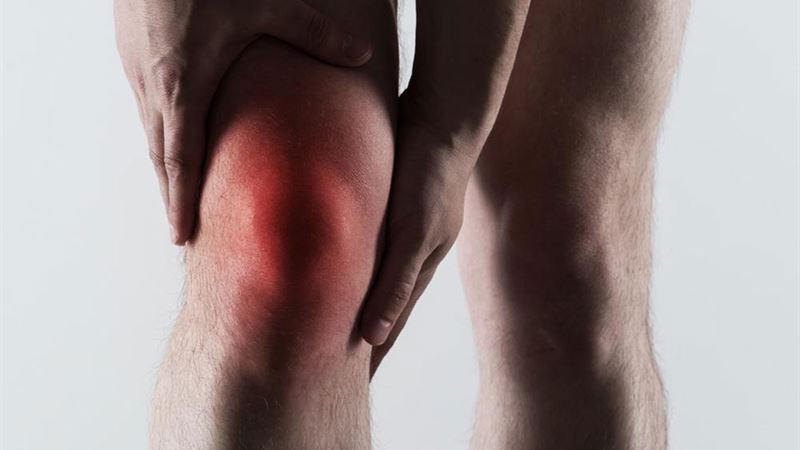
Gout is a complex form of arthritis characterized by sudden, severe attacks of pain, redness, and swelling in the joints. It often affects the big toe but can impact other joints like the ankles, knees, elbows, wrists, and fingers. Understanding the causes, risk factors, and available treatment options is essential for effective management and improving quality of life. This comprehensive guide explores everything from lifestyle modifications to medical therapies, empowering individuals to tackle gout head-on and prevent future attacks.
Gout develops when excess uric acid in the bloodstream crystallizes and deposits in the joints. These uric acid crystals trigger intense inflammatory responses, resulting in the hallmark symptoms of gout. Several factors contribute to increased uric acid levels, including dietary habits, obesity, genetic predisposition, certain medications, and lifestyle choices. Recognizing these risk factors is crucial for prevention and long-term management.
Understanding the Causes and Risk Factors of Gout
- Diet high in purine-rich foods such as red meats, shellfish, and organ meats
- Excessive alcohol consumption, particularly beer and spirits
- Obesity and overweight status
- Use of medications like diuretics or immune-suppressants
- Underlying health conditions like hypertension and kidney disease
Effective Treatment Strategies for Gout
Managing gout requires a combination of medication, lifestyle changes, and dietary adjustments. Modern medicine offers several effective options to both relieve acute gout attacks and prevent future episodes.
- Medications for Immediate Relief: NSAIDs such as ibuprofen, naproxen, indomethacin, and celecoxib are commonly prescribed to reduce inflammation and pain during an acute attack. Colchicine is another potent option that effectively diminishes joint swelling and alleviates pain when taken promptly.
- Corticosteroids: When NSAIDs or colchicine are unsuitable, corticosteroids like prednisone can be administered orally or via injections to control inflammation swiftly.
- Long-term Uric Acid Management: To prevent recurrent gout attacks, medications that lower uric acid levels are essential. Xanthine oxidase inhibitors like allopurinol and febuxostat work by decreasing uric acid production. Probenecid enhances uric acid excretion through the kidneys, helping to maintain optimal levels and reduce crystal formation.
Additional Preventive and Supportive Measures
In addition to medications, lifestyle modifications play a significant role in managing gout effectively:
- Adhering to a diet low in purine-rich foods, including avoiding red meats, organ meats, and certain seafoods
- Limiting alcohol intake, especially beer and spirits
- Maintaining a healthy body weight through regular exercise and balanced nutrition
- Staying well-hydrated to promote uric acid excretion
- Integrating foods rich in vitamin C, like oranges, strawberries, and broccoli, which can help reduce uric acid levels
- Consuming moderate amounts of coffee, which may help lower uric acid, although it is not a cure for gout
Home Remedies and Alternative Approaches
Alongside medical treatments, certain home remedies may alleviate symptoms and contribute to overall health:
- Applying ice packs to affected joints to reduce swelling and pain
- Using herbal remedies like ginger or turmeric that possess anti-inflammatory properties
- Practicing stress reduction techniques such as yoga and meditation
- Ensuring sufficient sleep and maintaining regular physical activity
Importance of Lifestyle Changes in Gout Management
Long-term management hinges on consistent lifestyle modifications. Prioritizing a balanced diet, regular exercise, and weight control can significantly decrease the frequency and severity of gout attacks. Avoiding purine-rich foods and limiting alcohol consumption are especially vital. Additionally, staying well-hydrated helps flush out excess uric acid. Regular medical check-ups and blood tests to monitor uric acid levels are recommended, enabling timely adjustments to treatment plans.
Dealing with gout is a multi-faceted process that combines medical intervention with proactive lifestyle choices. Patients should collaborate closely with healthcare professionals to develop individualized treatment strategies, ensuring effective symptom control and prevention of future attacks. Embracing a holistic approach not only alleviates pain but also enhances overall health and well-being.