
Comprehensive Strategies for Preventing and Managing Gout Foot Pain
This detailed guide offers effective strategies to prevent and manage gout foot pain through suitable footwear, targeted exercises, weight control, and dietary changes. Emphasizing proactive care, it aims to help individuals reduce flare-ups, improve foot health, and maintain an active lifestyle. Regular monitoring and lifestyle modifications play crucial roles in controlling uric acid levels and preventing recurrent gout attacks, ensuring long-term relief and improved quality of life.
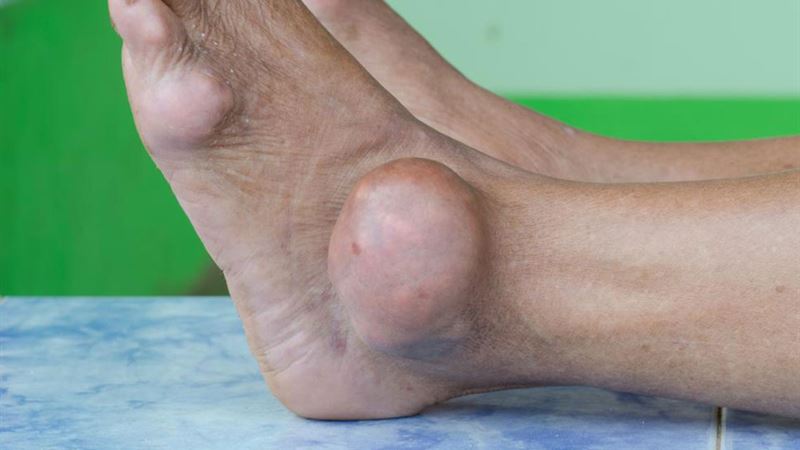
Gout foot pain can be incredibly debilitating, significantly affecting your daily activities and overall quality of life. Understanding how to proactively prevent and effectively manage this condition is essential for anyone at risk. Proper footwear, lifestyle modifications, and dietary adjustments are crucial components in reducing the frequency and severity of gout attacks. This comprehensive guide delves into proven strategies, including choosing the right shoes, engaging in targeted exercises, maintaining healthy weight, and adopting a gout-friendly diet. Emphasizing preventative care can lead to fewer flare-ups and a more comfortable, active life.
Preventive foot care begins with selecting footwear that offers optimal support and cushioning. Shoes that fit properly and provide adequate arch support minimize stress on your joints and reduce the likelihood of gout attacks. When possible, opt for sneakers over heels or boots, which tend to exert excessive pressure on the toes and foot joints. High heels can significantly increase the risk of recurring gout pain due to the added strain they place on the foot structures. For individuals engaged in prolonged standing or walking, supportive athletic shoes are highly recommended to protect your feet and prevent inflammation.
In addition to appropriate footwear, incorporating regular foot exercises into your daily routine can help strengthen your foot muscles and improve flexibility. Simple stretching exercises such as ankle rotations, toe flexion, and toe extensions can be very effective. These movements promote healthy blood flow and reduce stiffness, decreasing the chances of a gout flare-up. It is especially important for individuals experiencing frequent attacks to avoid putting excessive strain on their joints during daily activities. Limiting sustained pressure through moderate activity levels and regular breaks can make a significant difference.
Managing weight plays a pivotal role in gout prevention. Obesity is a well-known risk factor that exacerbates uric acid buildup, leading to increased episodes of gout. Maintaining a healthy weight through balanced diet and regular physical activity can help normalize uric acid levels and reduce the burden on your joints. Consulting with healthcare professionals for personalized weight management strategies can provide you with the tools needed to achieve optimal health and minimize gout activity.
Dietary modifications are essential for controlling uric acid levels, which directly impact gout episodes. Foods rich in purines, such as shellfish, red meats, organ meats, and certain types of fish, should be consumed sparingly or avoided altogether. Alcohol consumption, especially beer and spirits, is also linked to increased uric acid production and should be minimized or eliminated. Emphasizing a diet rich in fruits, vegetables, whole grains, and low-fat dairy can help lower uric acid levels naturally. Staying well-hydrated by drinking plenty of water supports kidney function and promotes excretion of excess uric acid, further reducing the risk of gout attacks.
Regular monitoring of uric acid levels is vital for individuals prone to gout. Keeping track of these levels can help you and your healthcare provider identify trends and adjust your lifestyle or medications accordingly. Early detection of rising uric acid levels allows for preventive measures before symptoms become severe. Combining proper foot care, weight management, dietary adjustments, and medical oversight creates a comprehensive approach to reducing the frequency and severity of gout attacks, enabling a more comfortable and active lifestyle.