
Comprehensive Guide to Managing and Understanding Knee Osteoarthritis
This comprehensive guide provides detailed insights into knee osteoarthritis, including its causes, symptoms, risk factors, and modern treatment options. Early diagnosis, healthy lifestyle choices, and personalized treatment plans can significantly improve quality of life for those affected. Learn how to manage and prevent this common degenerative joint disease effectively through detailed information and practical advice.
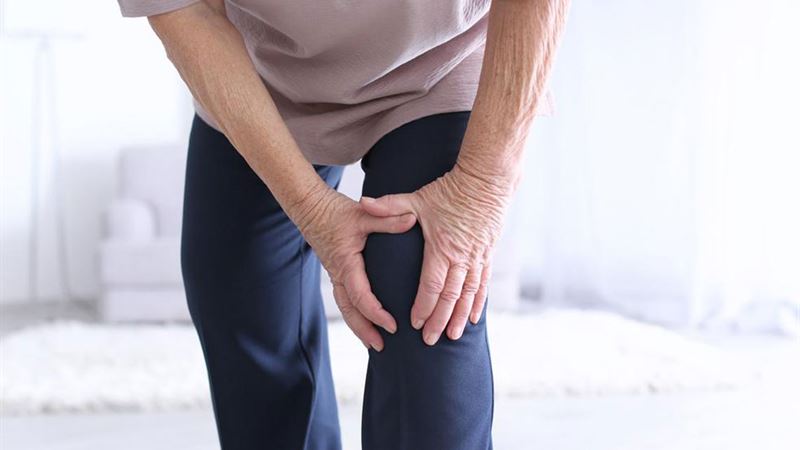
Osteoarthritis, often referred to as degenerative joint disease or wear-and-tear arthritis, is characterized by the gradual deterioration of cartilage—the smooth tissue that covers the ends of bones within a joint. When the cartilage wears down, bones are exposed and begin to rub directly against each other, resulting in pain, swelling, stiffness, and decreased function.
This cartilage acts as a cushion and a lubricant, facilitating smooth movement of the joint. Once it degenerates significantly, this protective mechanism fails, leading to increased friction during joint movement, which causes discomfort and inflammation.
The natural fluid within joints, known as synovial fluid, plays a pivotal role in reducing friction and providing nourishment to cartilage. In osteoarthritis, this fluid diminishes or its effectiveness decreases, further exacerbating joint pain and stiffness. The reduced cushioning forces the bones to come into closer contact, leading to friction, erosion, and eventually joint deformity if left untreated.
Common symptoms include persistent joint pain, especially during or after activity, morning stiffness lasting less than an hour, joint swelling, warm sensation, creaking or grinding sounds during movement, and difficulty in performing everyday tasks such as climbing stairs or bending the knee. These symptoms may gradually worsen over time, impacting daily activities and overall mobility.
Age is one of the primary risk factors for developing knee osteoarthritis. As individuals grow older, the body's ability to repair and regenerate cartilage diminishes, making joints more susceptible to wear and tear. Typically, symptoms become more noticeable after the age of 45, but younger individuals with previous joint injuries or genetic predispositions are also at risk.
Other notable risk factors include excess weight, which puts additional stress on weight-bearing joints like the knees; genetic inheritance; previous traumatic injuries; chronic joint infections; and certain occupational or recreational activities involving repetitive joint stress.
Women are statistically more prone to knee osteoarthritis than men, possibly due to hormonal influences, pelvic anatomy differences, or biomechanical factors. Being overweight or obese increases the risk substantially because of the increased load on the knees, accelerating cartilage degeneration and aggravating symptoms.
Understanding the symptoms associated with knee osteoarthritis is crucial for early detection and management. The most common signs include:
- A persistent, dull ache or sharp pain in the knee during physical activity or prolonged weight-bearing
- Swelling and tenderness around the joint
- Warmth or redness over the affected area
- Morning stiffness that lasts less than an hour, or stiffness after periods of inactivity
- Creaking, grinding, or popping sounds during knee movement
- Decreased range of motion, making simple tasks like walking or bending difficult
Noticing these signs early can guide timely interventions that may prevent the worsening of the condition and preserve joint function.
Effective management of knee osteoarthritis involves a comprehensive approach aimed at reducing symptoms, improving joint function, and preventing further damage. The available treatment modalities can be categorized into non-surgical and surgical options, with lifestyle modifications playing a vital role in symptom management.
Some of the most widely recommended treatments include:
- Weight reduction: Losing excess weight reduces stress on the knees, alleviating pain and slowing disease progression. Even modest weight loss can significantly improve symptoms.
- Physical therapy and exercise: Targeted exercises strengthen the muscles around the knee, providing better support and stability. Low-impact activities such as swimming, cycling, or walking are preferred to avoid additional joint stress.
- Medications: Nonsteroidal anti-inflammatory drugs (NSAIDs) like ibuprofen, acetaminophen, and naproxen can reduce pain and inflammation. These should be used cautiously and under medical supervision, especially for long-term use.
- Injections: Corticosteroid injections can temporarily relieve pain and inflammation, particularly during flare-ups. Hyaluronic acid injections are also used to improve joint lubrication.
- Supportive devices: Braces, orthotic shoe inserts, or unloader braces can help redistribute forces across the knee and diminish pain during movement.
- Surgical options: When conservative treatments fail, surgical intervention may be necessary. Procedures include arthroscopy to clean the joint, osteotomy to realign the knee, or total knee replacement in advanced cases.
Each treatment plan should be personalized, considering the severity of the condition, the patient's age, activity level, and overall health status. Preventative strategies like maintaining a healthy weight and engaging in joint-friendly activities can significantly delay the progression of osteoarthritis.
In addition to medical treatments, adopting a balanced diet rich in calcium and vitamin D, avoiding repetitive joint stress, and staying active can contribute to joint health. Early diagnosis and intervention can help preserve joint function and improve quality of life.
Dealing with knee osteoarthritis requires an ongoing commitment to lifestyle modifications, medical treatments, and sometimes surgical interventions. With a proactive approach, individuals can manage symptoms effectively and enjoy an active, pain-free life for years to come.