
Comprehensive Strategies for Managing and Treating Knee Osteoarthritis
This comprehensive guide explores the causes, symptoms, diagnosis, and effective treatment options for knee osteoarthritis. It emphasizes lifestyle changes, medical therapies, and surgical options, offering valuable insights for patients seeking relief and improved joint health. Proper management can help reduce pain, enhance mobility, and prevent disease progression, leading to better quality of life.
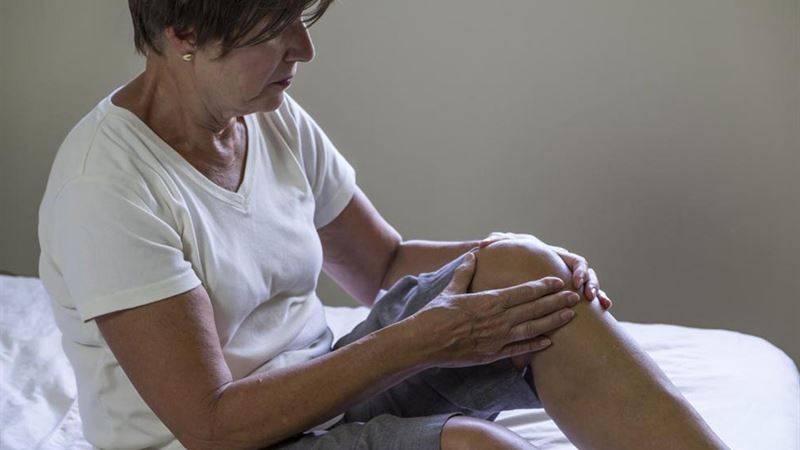
Understanding the Underlying Causes of Knee Osteoarthritis
While aging remains the most significant risk factor for developing knee osteoarthritis, numerous other elements contribute to the progression of this degenerative joint disease. Comprehending these contributing factors is crucial for effective prevention, management, and treatment.
- Obesity and Excess Weight — Elevated body weight exerts additional pressure on the knee joints, accelerating cartilage wear and tear. Studies consistently show that each extra pound adds roughly four pounds of stress on the knees, leading to increased risk of osteoarthritis. Maintaining a healthy weight through diet and exercise is vital for reducing joint strain and preserving cartilage health.
- Genetic Predisposition and Family History — Genetic factors play a pivotal role in the susceptibility to knee osteoarthritis. Individuals with familial history of joint disorders or inherited bone deformities have a higher likelihood of developing this condition. Genetic mutations influencing cartilage structure and joint stability can predispose individuals to early onset or accelerated disease progression.
- Gender Differences and Hormonal Factors — Women, especially in the age range of 50 to 55 years, are more vulnerable to knee osteoarthritis compared to men. The decline in estrogen levels post-menopause affects cartilage regeneration and joint lubrication, increasing susceptibility.
Additional Contributing Factors to Knee Osteoarthritis
- Repetitive Stress and Occupational Hazards — Jobs requiring frequent squatting, kneeling, crawling, or lifting heavy objects impose continuous stress on the knees. Over time, this repetitive strain wears down cartilage and leads to joint degeneration. Workers in construction, manufacturing, and agriculture are particularly at risk.
- Participation in High-Impact Sports and Physical Activities — Athletes engaged in sports like soccer, tennis, running, or basketball often place substantial stress on their knees, increasing the likelihood of cartilage injury and early osteoarthritis. However, moderation in physical activity and proper technique can mitigate this risk.
- Associated Medical Conditions — Underlying health issues such as metabolic syndromes, gout, or hormonal imbalances can weaken joint structures. Excessive iron levels or abnormal secretion of growth hormones may also influence joint health negatively.
Recognizing the Symptoms of Knee Osteoarthritis
Early detection of knee osteoarthritis hinges on awareness of its typical signs and symptoms. Recognizing these can facilitate prompt medical intervention, improving long-term outcomes.
- Persistent swelling around the knee area
- Severe pain worsened by activity and somewhat alleviated with rest
- Stiffness and a sensation of warmth in the joint
- Audible cracking, creaking, or grinding noises during movement
- Reduced range of motion and joint flexibility
- Visible deformities or changes in gait
Diagnosis Process for Knee Osteoarthritis
Effective diagnosis begins with a detailed physical examination and medical history assessment. It’s essential to inform healthcare providers about family history, previous joint injuries, and daily activity levels. To confirm the diagnosis and assess the severity, physicians utilize imaging techniques such as X-rays to visualize joint space narrowing, bone spurs, and cartilage loss. Magnetic resonance imaging (MRI) may be employed for detailed soft tissue analysis and to detect early cartilage degeneration.
Approaches to Managing and Treating Knee Osteoarthritis
The primary aim of treatment is to relieve pain, improve joint function, and slow disease progression. A comprehensive approach combines lifestyle modifications, medical therapies, and surgical interventions when necessary.
- Weight Management and Loss — Shedding excess pounds significantly reduces stress on the knees. Dietary modifications emphasizing calorie control, portion management, and nutrient-dense foods can effectively facilitate weight loss, thereby alleviating joint pain and improving overall mobility.
- Structured Exercise and Physical Activity — Regular, low-impact exercises such as swimming, cycling, and walking help strengthen muscles around the knee, enhance joint flexibility, and maintain cartilage health. Physical activity also supports weight management, which further reduces joint strain.
- Alternative and Supportive Therapies — Topical analgesics containing capsaicin or herbal extracts like turmeric and ginger can provide localized relief. Acupuncture and other complementary therapies have also demonstrated benefits in pain reduction and improved joint function.
- Physical and Occupational Therapy — Targeted therapy under professional supervision emphasizes muscle strengthening, joint stabilization, and improving movement patterns. Occupational therapists can advise on daily activity modifications to minimize joint stress.
- Surgical Interventions — When conservative treatments fail to provide relief, options such as knee arthroscopy, osteotomy, or joint replacement surgery (total knee arthroplasty) may be considered. Surgery aims to restore joint function, alleviate pain, and improve quality of life.
- Nutritional Support and Dietary Considerations — A diet rich in omega-3 fatty acids, antioxidants, and vitamins C and D can support joint health. Osteoarthritis patients are advised to include plenty of fruits, vegetables, whole grains, and fatty fish to combat inflammation and promote tissue repair.
- Ensuring Adequate Rest and Quality Sleep — Proper sleep helps the body repair tissues, reduce inflammation, and cope with pain. Using cushions to elevate joints and maintain proper sleep positions can minimize discomfort.
- Application of Hot and Cold Therapies — Heat packs increase blood flow, relax muscles, and soothe stiffness, while cold packs reduce inflammation and numb pain. Alternating between these modalities can provide cumulative relief.
Adopting these strategies can significantly improve quality of life for individuals with knee osteoarthritis, helping them maintain independence and perform daily activities with less discomfort. Early intervention, patient education, and adherence to treatment plans are fundamental for managing this chronic condition effectively.