
Essential Insights into Gallbladder Stones: Causes, Symptoms, and Treatments
This comprehensive guide explores gallstones, their causes, symptoms, diagnosis, and treatment options. It emphasizes the importance of early detection, lifestyle changes, and medical interventions to prevent complications. Suitable for those experiencing gallbladder issues, the article provides valuable insights into maintaining digestive health and managing gallstone risks effectively.
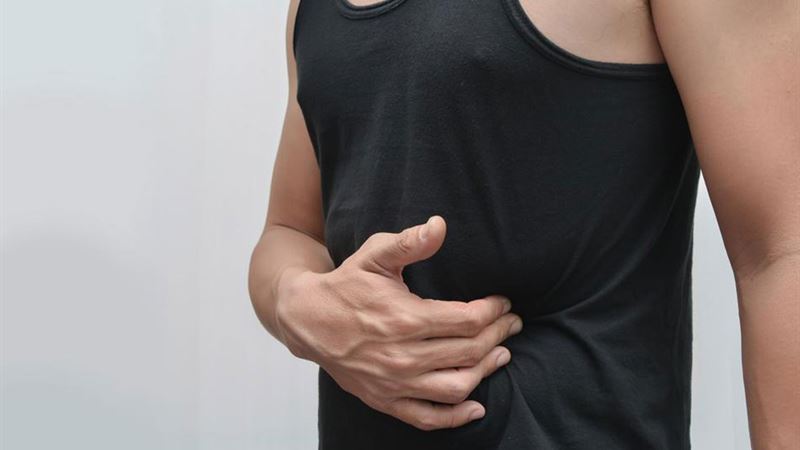
Comprehensive Overview of Gallstones
Gallstones are solid particles that develop within the gallbladder, leading to a range of health concerns. These stones form when the substances in bile, primarily cholesterol and bilirubin, become imbalanced, causing crystallization. The size of gallstones varies widely—from tiny grains of sand to golf ball-sized masses—and their presence might not always result in symptoms. Many individuals live with gallstones for years without realizing it, especially if the stones do not obstruct bile flow. However, when they do cause blockages or irritation, they can lead to severe pain and infections, necessitating medical intervention.Role of the Digestive System in Gallstone Development
The digestive system is an interconnected network, with the gallbladder playing a vital role in fat digestion. Located beneath the liver, the gallbladder stores and concentrates bile, a digestive fluid produced by the liver. During meal intake, especially fatty foods, the gallbladder contracts to release bile into the cystic duct, which feeds into the common bile duct and finally into the duodenum—the first segment of the small intestine. Bile contains bile salts, cholesterol, bilirubin, and water, which emulsify fats for easier digestion. Any disruption in this process, particularly blockages or improper bile flow, can trigger gallbladder pain, inflammation, or even infection.Mechanisms of Gallstone Formation
Gallstones primarily originate from the imbalance in bile composition. Cholesterol, which should be maintained in solubilized form within bile, can become excessive and start to crystallize. Over time, these crystals can grow into stones if they are not dissolved or expelled properly. Factors influencing gallstone formation include genetic predisposition, diet, lifestyle, hormonal levels, and certain health conditions. There are mainly two types of gallstones: cholesterol stones, which are yellow-green and the most common, and pigment stones, usually black or brown, often associated with conditions like hemolytic anemia or liver disease.Root Causes of Gallstone Formation
Several contributing factors increase the likelihood of developing gallstones. These include:- Excess cholesterol in bile: Diet high in fatty and sugary foods can increase cholesterol levels, leading to supersaturation of bile.
- Impaired gallbladder emptying: Weak or uncoordinated contractions prevent proper bile expulsion, allowing stones to form.
- Hormonal influences: Elevated levels of estrogen and progesterone during pregnancy, hormone therapy, or use of contraceptives can increase cholesterol saturation in bile and reduce gallbladder motility.
- Rapid weight loss: Crash diets or bariatric surgery that cause quick weight reduction lead to increased cholesterol mobilization, which can crystallize in the bile.
- Certain medications: Some drugs influence bile composition or gallbladder motility, contributing to stone formation.
Signs and Symptoms of Gallstone Presence
While many individuals with gallstones remain asymptomatic, some experience significant discomfort. The hallmark symptom is episodic pain in the upper right abdomen, often radiating to the back or right shoulder blade. This pain, known as biliary colic, tends to occur after fatty meals and can last from minutes to hours. Other symptoms include nausea, vomiting, indigestion, bloating, and sometimes fever if infection develops. When gallstones cause obstruction in the bile ducts or lead to inflammation of the gallbladder (cholecystitis), symptoms become more severe and require urgent medical attention.Diagnostic Approaches for Gallstone Detection
Early detection of gallstones involves several diagnostic tools. Ultrasonography is the most common, being a non-invasive, cost-effective, and highly accurate method. It can identify the presence, size, and number of stones, as well as signs of inflammation. Additional tests include hepatobiliary iminodiacetic acid (HIDA) scans, magnetic resonance cholangiopancreatography (MRCP), and endoscopic retrograde cholangiopancreatography (ERCP). These procedures help assess the biliary anatomy, detect duct obstructions, and facilitate interventions if needed. Lab tests checking for infection, inflammation (like elevated white blood cells), or liver function abnormalities are also part of the comprehensive evaluation.Treatment Options and Management Strategies
Management of gallstones depends on size, symptom severity, and complications. Asymptomatic gallstones often require no immediate treatment, but regular monitoring is essential. When symptoms or complications develop, several options are available:- Medical therapy: Oral bile acid pills such as ursodeoxycholic acid can dissolve certain types of gallstones, especially smaller cholesterol stones, though long-term success varies. This approach is suitable for patients who are poor surgical candidates or prefer non-invasive options.
- Surgical removal: Cholecystectomy, the surgical removal of the gallbladder, is the most definitive treatment for problematic gallstones. This can be performed via minimally invasive laparoscopic procedures, which have quick recovery times and fewer complications.
- Endoscopic procedures: ERCP allows extraction of stones from the bile ducts and can be combined with other treatments to relieve obstructions.
- Lifestyle and dietary modifications: Maintaining a balanced diet low in unhealthy fats, avoiding rapid weight loss, and managing hormonal factors can reduce the risk of gallstone formation.
Preventive Measures and Lifestyle Advice
Prevention remains the best strategy to combat gallstone development. Key recommendations include:- Consuming a healthy, balanced diet rich in fibers, fruits, vegetables, and healthy fats.
- Avoiding high-cholesterol foods, processed snacks, and sugary drinks.
- Maintaining a stable weight with regular exercise, avoiding crash diets or rapid weight loss.
- Managing hormonal health, especially during pregnancy or hormonal therapy.
- Staying hydrated and avoiding dehydration, which can influence bile concentration.
In conclusion, understanding gallstones—how they form, their symptoms, and treatment options—is vital for maintaining digestive health. Early diagnosis and lifestyle adjustments can prevent severe complications and improve quality of life. If experiencing recurring abdominal pain or digestive disturbances, consult a healthcare professional promptly to ensure proper management.